
Cool-Season vs. Warm-Season Grasses: Choosing What Grows Where You Live

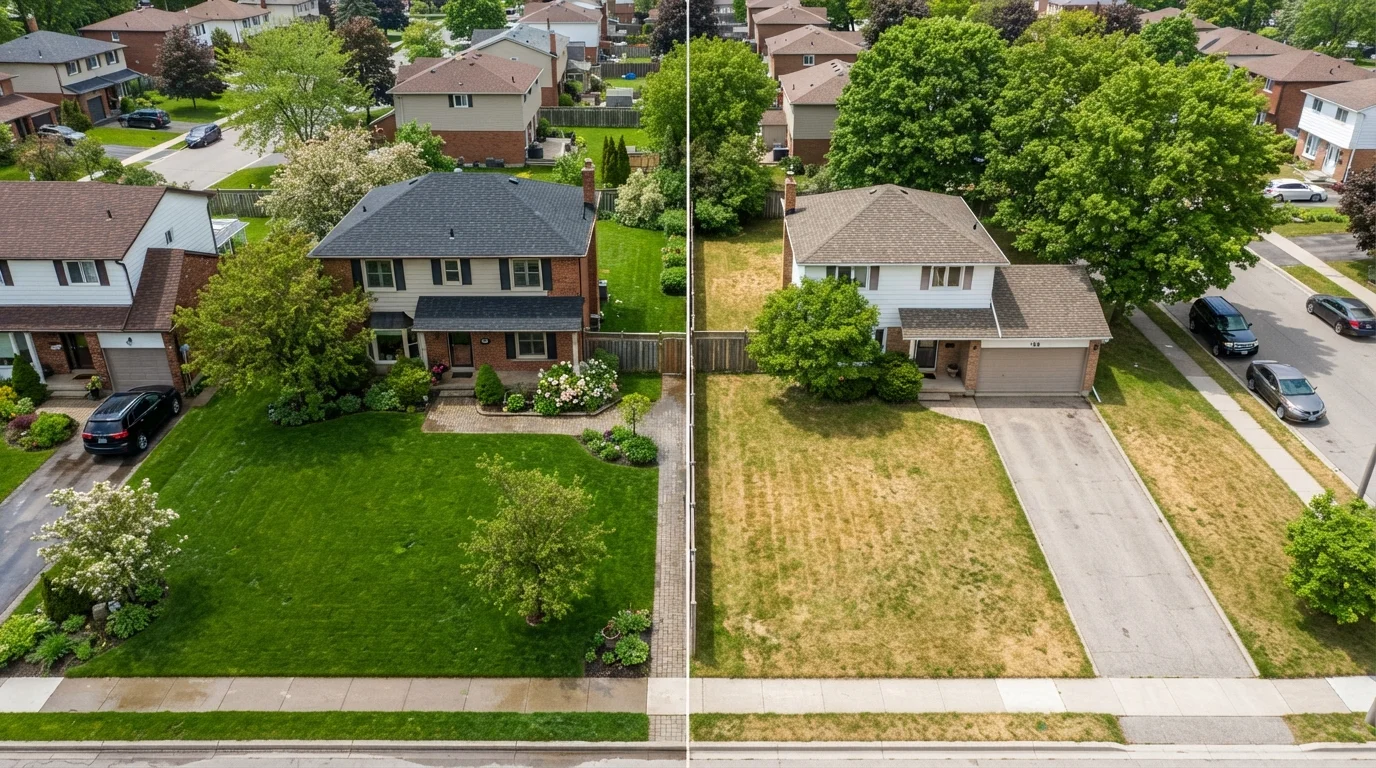
Photo: ScoutAnswers.com | Blogs That Ignite Curiosity editorial
Key Takeaways
- Cool-season grasses grow most actively in spring and fall, going dormant in summer heat.
- Warm-season grasses thrive in summer but turn brown and dormant during winter months.
- Your USDA climate zone and local temperature range are the most reliable guides to grass selection.
- The transition zone across the middle of the U.S. requires careful species selection or blended approaches.
- Soil pH, shade tolerance, and water availability should factor into your final choice alongside climate.
What Separates the Two Grass Categories
Lawn grasses are broadly divided into two groups based on their preferred growing temperatures: cool-season and warm-season. This distinction isn't just horticultural trivia - it's the single most important factor in whether your lawn thrives or struggles year after year.
Cool-season grasses (such as Kentucky bluegrass, tall fescue, and perennial ryegrass) grow most vigorously when soil temperatures are between 50°F and 65°F. That window corresponds to spring and early fall in most northern states. When summer heat arrives and temperatures regularly exceed 85-90°F, these grasses slow down, and many will go partially dormant to survive.
Warm-season grasses (such as Bermudagrass, Zoysia, centipedegrass, and St. Augustinegrass) hit their stride when soil temperatures are between 70°F and 90°F - the height of summer in most southern states. When temperatures drop below 50°F, these grasses stop growing and turn brown until the following spring. This dormancy is normal and not a sign of damage.
Understanding this growth cycle helps explain why a grass that looks perfect in a neighbor's yard can fail completely in yours if you live in a different climate region. It also informs when to seed, fertilize, and perform key lawn maintenance tasks.
| Criterion | Cool-Season Grasses | Warm-Season Grasses |
|---|---|---|
| Best climate zone | Northern U.S. (cold winters, mild summers) | Southern U.S. (hot summers, mild winters) |
| Peak growing season | Spring and fall | Summer |
| Optimal soil temp for growth | 50-65°F | 70-90°F |
| Winter dormancy | Stays green; may go dormant in harsh cold | Turns brown; fully dormant below ~50°F |
| Summer performance | Declines in heat above 85-90°F | Thrives in heat and humidity |
| Water requirements | Moderate to high | Low to moderate once established |
| Common varieties | Kentucky bluegrass, tall fescue, ryegrass | Bermuda, Zoysia, St. Augustine, centipede |
| Ideal seeding window | Late summer to early fall | Late spring to early summer |
Climate Zones and Grass Selection
The U.S. is commonly divided into three lawn climate regions: the northern cool-season zone, the southern warm-season zone, and the challenging transition zone in between.
The northern zone - generally the upper Midwest, Northeast, and Pacific Northwest - suits cool-season grasses well. Kentucky bluegrass produces a dense, attractive turf here, while tall fescue offers better drought tolerance for areas with drier summers. Perennial ryegrass establishes quickly and works well for overseeding or high-traffic areas.
The southern zone - the Southeast, Gulf Coast, Southwest, and much of California - is where warm-season grasses dominate. Bermudagrass is widely used for its aggressive growth and heat tolerance. Zoysia forms a thick, weed-resistant mat and handles light shade better than Bermuda. St. Augustinegrass thrives in humid coastal areas. Centipedegrass works well in low-fertility soils where other species struggle.
The transition zone - including parts of Virginia, the Carolinas, Tennessee, Arkansas, Kansas, and similar mid-latitude states - is the hardest region to manage. It's too hot for cool-season grasses to thrive all summer and too cold for warm-season grasses to stay green all winter. Tall fescue remains the most recommended option here, though it still shows stress in peak summer. Local cooperative extension offices (typically affiliated with state land-grant universities) are an excellent resource for region-specific recommendations.
Check Your Local Extension Office
Keep in mind that soil pH plays a critical role in how well any grass establishes and grows - most turfgrasses prefer a pH between 6.0 and 7.0. Test your soil before seeding.
Key Practical Differences: Maintenance, Water, and Wear
Beyond climate tolerance, cool-season and warm-season grasses differ in ways that affect day-to-day lawn care.
50-65°F
Optimal soil temp for cool-season grass growth
According to turfgrass research from university extension programs, growth slows sharply outside this range for species like Kentucky bluegrass and fescue.
70-90°F
Optimal soil temp for warm-season grass growth
Warm-season grasses like Bermudagrass and Zoysia are most productive in this temperature range, which corresponds to peak summer across the southern U.S.
~1,200 miles
Width of the U.S. transition zone
The transition zone - where neither grass type is fully comfortable - stretches across a broad mid-latitude band, making species selection particularly challenging for millions of homeowners.
Watering needs: Warm-season grasses generally require less irrigation once established, making them a better fit in water-restricted areas. Cool-season grasses need more consistent moisture, particularly during summer. If overwatering is already a concern, see our guide on lawn watering habits that do more harm than good.
Mowing frequency: Warm-season grasses spread aggressively via stolons (above-ground runners) and rhizomes (underground runners), which means they can crowd out weeds - but also require regular edging to keep them from invading flower beds. Cool-season grasses grow upright and tend to need mowing more frequently during their spring and fall peak periods.
Seeding and establishment timing: Because growth cycles differ, the ideal seeding window also differs. Cool-season grasses are best seeded in late summer or early fall so they establish before winter. Warm-season grasses should be seeded or sodded in late spring or early summer when soil is warm enough to support root development. For a full breakdown of the seeding process, our season-by-season lawn seeding guide covers each step in detail.
Fall and winter care: Cool-season lawns often benefit most from fall fertilization and overseeding - this is their primary growing season. Warm-season lawns go dormant in fall, so heavy fertilization late in the season can cause problems. Our fall lawn care checklist outlines which tasks apply depending on your grass type.
If your climate or water situation makes traditional turf impractical, it may also be worth exploring xeriscaping as a low-water landscape alternative.
The content on this site is for informational purposes only and is not a substitute for professional advice. Always consult a qualified professional for guidance specific to your situation.