
Soil pH and Why Your Plants Keep Struggling

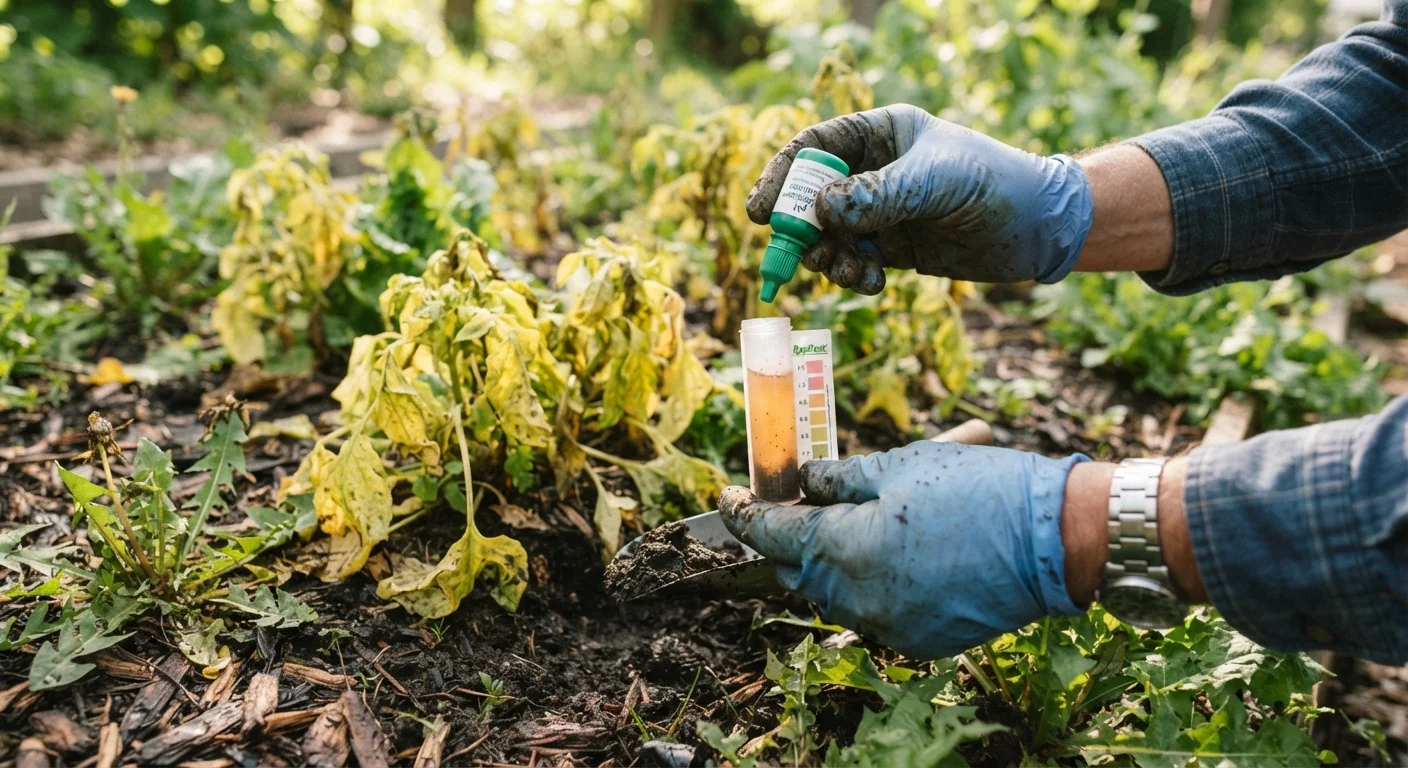
Photo: ScoutAnswers.com | Blogs That Ignite Curiosity editorial
Key Takeaways
- Soil pH controls whether plants can actually absorb the nutrients already present in the soil.
- Most vegetables, grasses, and flowering plants thrive in a slightly acidic range of 6.0-7.0.
- You can test your soil pH inexpensively at home or through a cooperative extension service.
- Lime raises pH in acidic soils; sulfur or acidifying fertilizers lower pH in alkaline soils.
- Adjusting pH takes time - most corrections show results over several months, not days.
- Even healthy-looking fertilizer routines can fail completely if pH is too far out of range.
Why pH Is the Hidden Variable in Every Garden
You've watered consistently, applied fertilizer on schedule, chosen varieties suited to your climate - and yet your plants still look stressed. Before blaming the weather or the seed, consider what's happening underground. Soil pH is one of the most overlooked factors in home gardening, and it can silently undermine everything else you do right.
The reason pH matters so much is that it governs nutrient availability. Even if your soil is loaded with nitrogen, phosphorus, and potassium, plant roots can only absorb those nutrients when pH sits within a workable range. Outside that range, nutrients become chemically locked - present in the soil but effectively inaccessible to your plants. That's why even a solid fertilizing routine can produce disappointing results. See our guide to N-P-K fertilizer numbers to understand how those nutrients work when pH conditions are right.
Iron, manganese, and zinc become less available in alkaline soils, causing the classic interveinal yellowing called chlorosis. In highly acidic soils, aluminum and manganese can reach toxic levels, damaging roots before a plant ever shows visible signs above ground.
pH Affects More Than Just Nutrients
How to Test Your Soil pH
Testing is the essential first step - adjusting pH without knowing your baseline is guesswork. Fortunately, you have practical options at different price points.
- Home test kits: Inexpensive kits using chemical indicators or pH strips are widely available at garden centers. They give a ballpark reading and are useful for a quick check.
- Digital pH meters: Probe-style meters inserted directly into moist soil provide a numeric reading. Quality varies by product, so calibrate regularly according to the manufacturer's instructions.
- Cooperative extension soil testing: Land-grant universities operate extension offices in every state that offer laboratory soil testing - often for a modest fee. These tests are the most accurate and typically include nutrient levels and specific amendment recommendations alongside pH results.
When collecting a soil sample, take small amounts from several spots across your garden bed or lawn (at a depth of 4-6 inches), then mix them together for a composite sample. A single scoop from one corner rarely represents the whole area.
Get a Lab Test for the Most Accurate Results
Adjusting pH: Raising and Lowering the Scale
Once you have a test result, you can apply the appropriate amendment. The two most common corrective materials are lime and elemental sulfur.
Raising pH (Making Soil Less Acidic)
Ground limestone - either calcitic or dolomitic - is the standard amendment for acidic soils. Dolomitic lime also supplies magnesium, which can be beneficial if your soil is deficient. The amount needed depends on your current pH, your target pH, and your soil texture. Clay soils require significantly more lime than sandy soils to achieve the same shift. Always follow soil test recommendations rather than guessing quantities.
Lowering pH (Making Soil Less Alkaline)
Elemental sulfur is the most reliable long-term option for reducing pH. Soil bacteria convert it to sulfuric acid over time, gradually acidifying the soil. This process is slower in cold weather. Acidifying fertilizers containing ammonium sulfate can also contribute to modest pH reduction over time.
Patience is essential. Large pH swings don't happen overnight - plan for a full growing season before reassessing. Retest before applying additional amendments to avoid overcorrecting.
Keep in mind that your grass species also plays a role. Some grasses are more forgiving of pH variation than others - our cool-season vs. warm-season grass guide explains which varieties may be better suited to your soil conditions.
Common pH Preferences by Plant Type
Not every plant wants the same soil chemistry. Knowing your plants' preferences helps you decide how aggressively to amend - or whether to choose different plants for a problem area.
If you're starting a new lawn from scratch, addressing pH before seeding gives your grass the strongest possible foundation. Our season-by-season lawn seeding guide walks through soil preparation as part of the full process.
One important note: pH preferences listed in gardening resources are general targets, not rigid requirements. Many plants tolerate a range wider than the stated optimum. The goal is to get reasonably close - not to engineer a laboratory-precise environment.
6.0-7.0
Optimal pH range for most vegetables and lawn grasses
This range is widely referenced by university extension services across the U.S. as the target for the broadest range of common garden plants.
4.5-5.5
pH range preferred by blueberries and azaleas
Acid-loving plants like blueberries and rhododendrons require substantially lower pH than most other garden plants to absorb iron and other micronutrients effectively.
10x
Acidity difference between each pH unit on the scale
Because pH is a logarithmic scale, a soil reading of 5.0 is ten times more acidic than 6.0 - meaning seemingly small differences have a large chemical impact on nutrient availability.
Maintaining Soil Health Over Time
pH isn't a one-time fix. Soil chemistry changes gradually due to rainfall, decomposing organic matter, fertilizer type, and plant uptake. Building a habit of periodic testing - every two to three years is a reasonable rhythm for most home gardens - keeps you ahead of problems before they affect plant performance.
Adding organic matter consistently through compost is one of the best long-term strategies. Compost helps buffer pH extremes, improves soil structure, and supports the microbial activity that makes nutrients available. It won't replace targeted amendments when pH is significantly off, but it builds resilience in the broader soil ecosystem.
Be aware that some common gardening habits interact with pH in ways gardeners don't always anticipate. Certain fertilizers have an acidifying effect over time; high-traffic clay soils compact and shift chemistry differently than loose loam. Our article on garden myths is worth a read if you've been relying on folk remedies that may be working against your soil balance. And since moisture plays a role in nutrient delivery, pairing your pH knowledge with smart irrigation practices - covered in our lawn watering habits guide - will give your plants the most complete support possible.
Frequently Asked Questions
The content on this site is for informational purposes only and is not a substitute for professional advice. Always consult a qualified professional for guidance specific to your situation.