
Lawn Watering Habits That Do More Harm Than Good

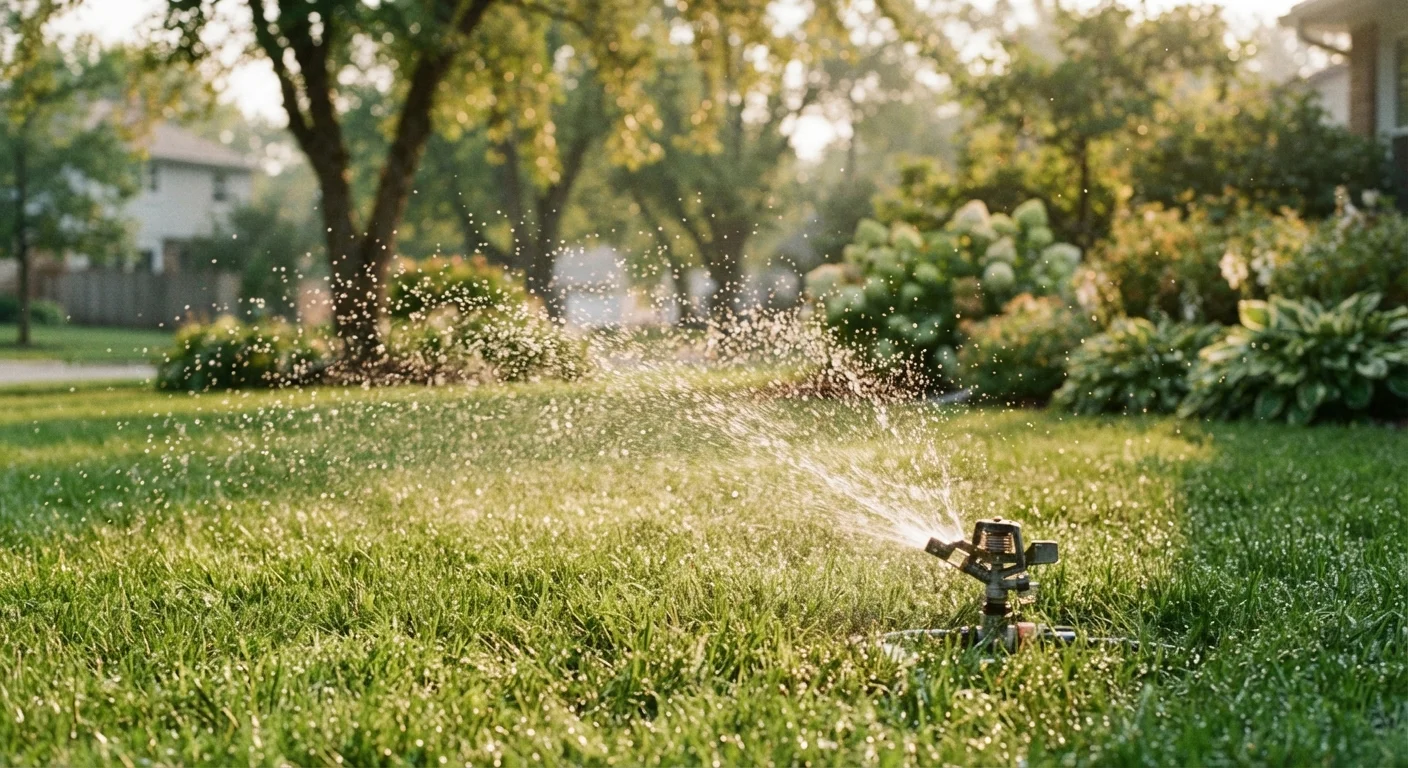
Photo: ScoutAnswers.com | Blogs That Ignite Curiosity editorial
Key Takeaways
- Watering too frequently and too shallowly produces weak, drought-vulnerable grass roots.
- Midday watering causes significant evaporation loss and can stress grass during peak heat.
- Most established lawns need about one inch of water per week, including rainfall.
- Ignoring seasonal and grass-type differences leads to overwatering or underwatering year-round.
- A simple rain gauge and soil check are the most reliable tools for smarter irrigation.
Why Your Watering Routine May Be the Problem
A struggling lawn is easy to misread. Brown patches, thinning turf, and persistent weeds often look like drought stress - so homeowners water more. But in many yards across the country, the opposite is closer to the truth: watering too much, too often, or at the wrong time of day is doing the damage.
Understanding a few core principles can prevent most of the common errors. Grass roots follow water. If water only ever penetrates the top inch of soil, roots stay shallow and the lawn becomes fragile. If soil is perpetually wet, roots suffocate and fungal disease takes hold. Getting the basics right costs nothing and typically reduces your water bill at the same time.
Overwatering Kills More Lawns Than Drought
For homeowners starting from scratch, our season-by-season guide to growing a lawn from seed covers early watering schedules that build the right root habits from day one.
The Most Damaging Watering Habits - and How to Fix Them
The mistakes below are among the most widespread. Each one is easy to correct once you know what to look for.
Watering on a fixed daily schedule regardless of actual soil moisture or rainfall.
Applying short, shallow watering cycles that wet only the top inch of soil.
Running sprinklers during the hottest part of the day, typically between 10 a.m. and 4 p.m.
Using the same watering schedule year-round without adjusting for season or grass type.
Ignoring uneven coverage from sprinkler heads, leading to wet spots and dry patches in the same lawn.
Thinking about switching to a more efficient setup? Our overview of drip irrigation vs. sprinkler systems breaks down which approach suits different yard sizes and garden types.
~50%
Residential irrigation water wasted
The U.S. Environmental Protection Agency estimates that nearly half of residential outdoor water use is lost to evaporation, runoff, or overwatering due to inefficient irrigation habits.
1 inch
Weekly water need for most lawns
Most established cool- and warm-season turf grasses require approximately one inch of combined rainfall and irrigation per week during their active growing season.
4-6 inches
Target root depth for resilient turf
Turf specialists generally consider a root depth of four to six inches a marker of a well-established, drought-tolerant lawn produced by consistent deep watering practices.
Reading Your Lawn's Actual Signals
Grass communicates moisture stress in specific ways. Footprints that stay visible for more than a few minutes, blades that fold lengthwise, and a blue-gray tinge to the turf are reliable signs that your lawn actually needs water. Conversely, a spongy feel underfoot, standing water more than an hour after irrigation, and musty smells near the soil surface all point to excess moisture.
Evening Watering Invites Fungal Problems
Soil health plays a role here too. Compacted or imbalanced soil drains poorly and holds moisture unevenly. Our article on soil pH and plant health explains how underlying soil conditions affect how your lawn responds to water. And if you're preparing for fall, the fall lawn care checklist includes aeration steps that dramatically improve drainage before winter sets in.
If persistent water bills, difficult conditions, or a desire for lower-maintenance landscaping have you reconsidering traditional turf altogether, it may be worth reading about xeriscaping as a low-water alternative.
The content on this site is for informational purposes only and is not a substitute for professional advice. Always consult a qualified professional for guidance specific to your situation.