
Fall Lawn Care: What to Do Before the First Frost

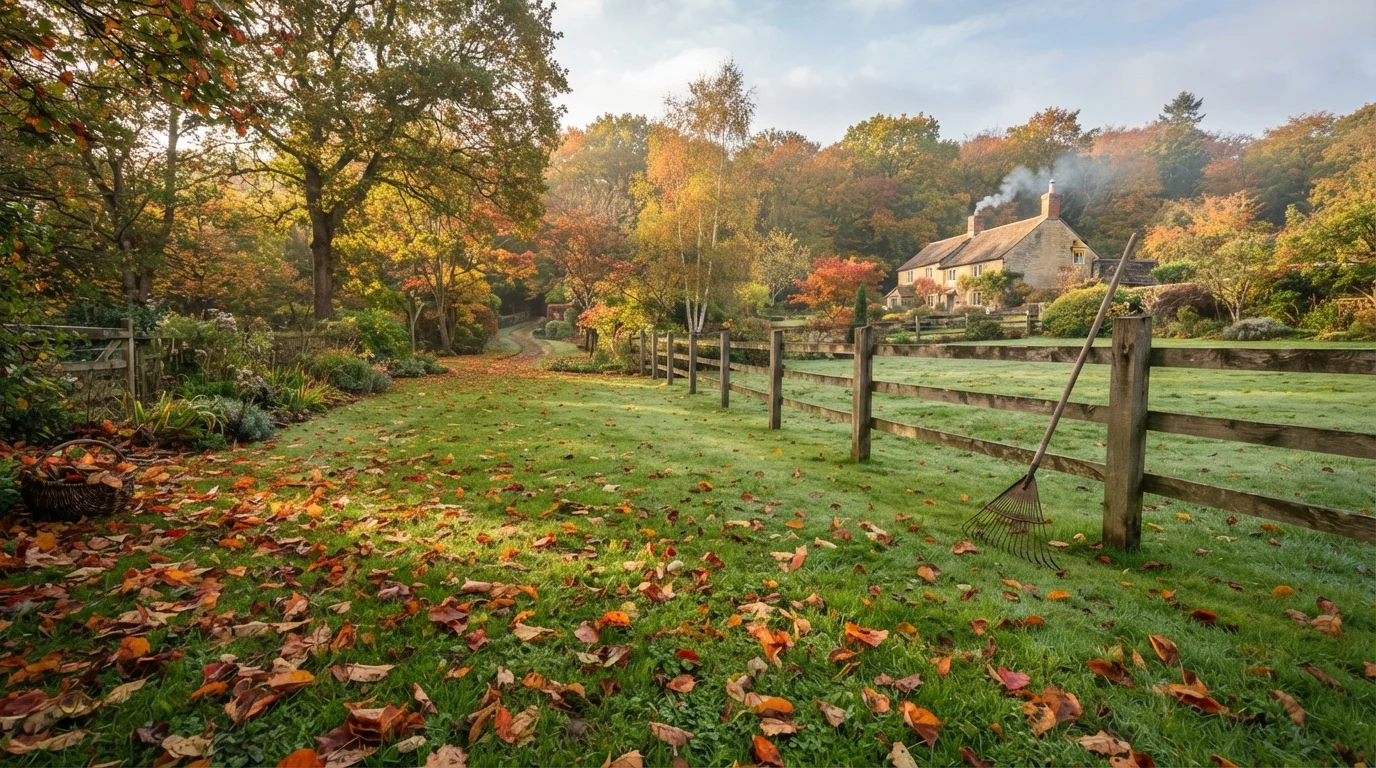
Photo: ScoutAnswers.com | Blogs That Ignite Curiosity editorial
Key Takeaways
- Aerating compacted soil in fall allows nutrients and water to reach grass roots more effectively.
- Overseeding thin or bare patches in early fall gives cool-season grasses time to establish before frost.
- A slow-release fall fertilizer helps grass store energy for a stronger spring comeback.
- Mowing at the correct height before winter prevents snow mold and other fungal diseases.
- Clearing leaves and debris promptly protects grass from smothering and disease pressure.
Why Fall Lawn Care Matters More Than Any Other Season
Most homeowners think of spring as the big lawn season, but turf specialists widely consider fall the most critical window for lawn health. Grass roots stay active well below air temperatures that feel cold to us, and the cooler, moister conditions of early fall are ideal for recovery from summer stress. Tasks completed now - aerating, overseeding, fertilizing - pay dividends for months.
The timing of your fall lawn work matters, too. Most tasks should be completed at least four to six weeks before your area's average first hard frost. That window lets new seed germinate, fertilizer absorb, and soil treatments take effect before the ground freezes. If you're not sure which grass type your lawn contains, understanding the difference is foundational - see our guide on cool-season vs. warm-season grasses before you begin.
Soil Preparation
Overseeding and Repair
Fertilizing
Mowing and Cleanup
Tools You'll Need to Work Through This Checklist
Before you start, gather the right equipment. Many tasks on this list require specific tools, and having them ready before you begin avoids wasted trips midway through your yard work.
Core Aerator
Pulls soil plugs to relieve compaction and create channels for seed, water, and fertilizer to penetrate the root zone.
Broadcast or Drop Spreader
Distributes grass seed and fertilizer evenly across the lawn to prevent patchy application.
Soil pH Test Kit
Determines whether your soil needs amendment before fertilizing or overseeding.
Leaf Rake or Blower
Clears fallen leaves from turf to prevent smothering and fungal buildup.
Lawn Mower with Adjustable Deck
Allows you to incrementally lower the cutting height for the final mows of the season.
Garden Hose with Adjustable Nozzle
Provides gentle, targeted watering for newly overseeded areas without washing seed away.
Common Mistakes to Avoid This Fall
Even well-intentioned lawn care can backfire if the timing or technique is off. A few patterns show up repeatedly among homeowners tackling fall prep for the first time.
Don't Overseed Too Late in the Season
Avoid Heavy Nitrogen Fertilizer in Late Fall
Don't Skip Leaf Removal Before Snow
Watering habits also shift in fall - cooler temperatures reduce evaporation, so the same irrigation schedule you used in July can easily lead to oversaturation. Review your lawn watering habits and scale back accordingly as temperatures drop. If you're reseeding bare areas, our season-by-season seeding guide provides detailed germination and watering timelines that pair well with this checklist.
Timing Is Everything for Fall Lawn Care
The content on this site is for informational purposes only and is not a substitute for professional advice. Always consult a qualified professional for guidance specific to your situation.