
Xeriscaping: The Case for a Low-Water Landscape

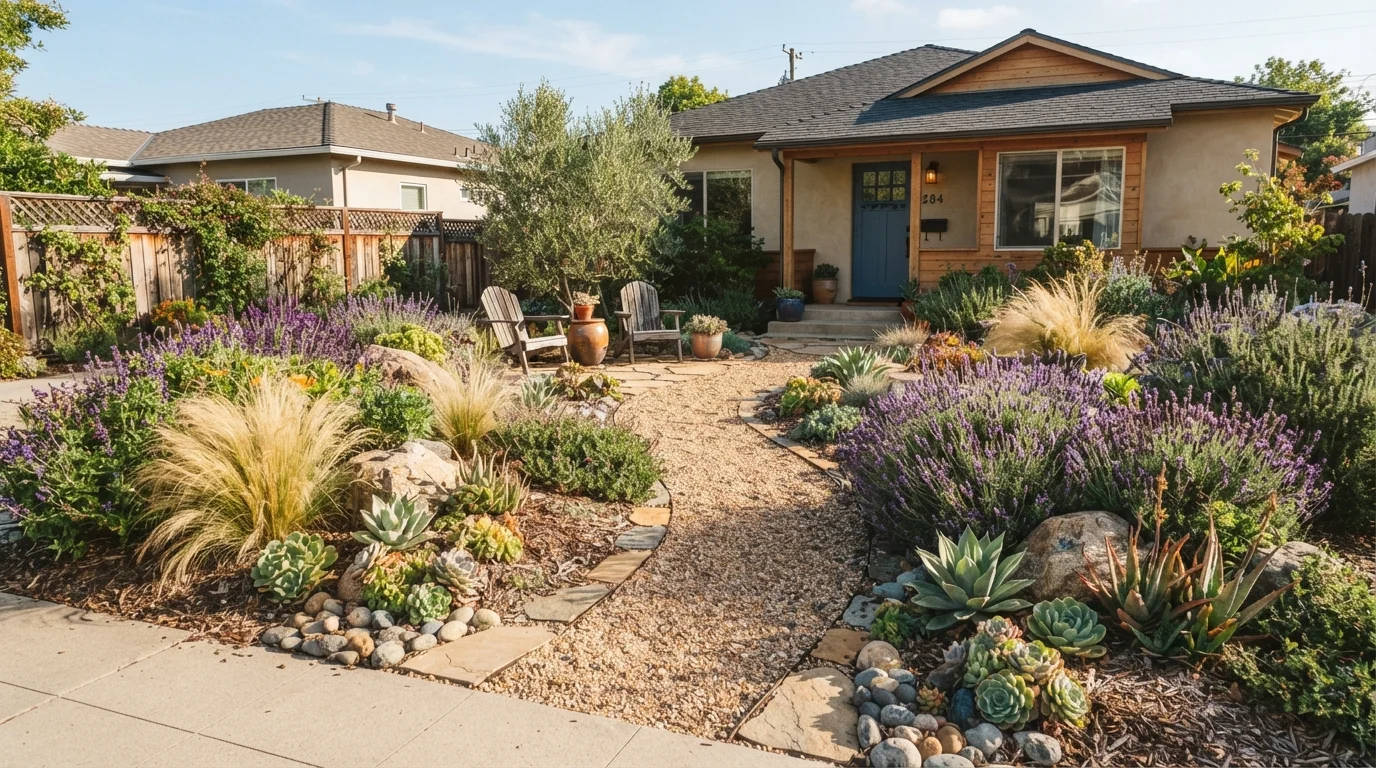
Photo: ScoutAnswers.com | Blogs That Ignite Curiosity editorial
Key Takeaways
- Xeriscaping can significantly reduce outdoor water use, helping lower utility bills over time.
- The upfront cost of converting a lawn can be substantial, but long-term maintenance costs are generally lower.
- Native and drought-tolerant plants are the foundation of a successful xeriscape design.
- Xeriscaping is most practical in dry or semi-arid climates but can benefit gardeners in any region.
- A well-planned xeriscape still requires some initial watering and regular upkeep to establish properly.
Substantially reduces outdoor water consumption
Replacing a conventional lawn with drought-tolerant plants and mulched beds can cut landscape water use by 50-75%, according to general estimates from cooperative extension programs. In regions with tiered water pricing, this translates directly to lower utility bills.
Lower ongoing maintenance once established
Drought-tolerant native plants generally need less fertilizing, less mowing, and fewer pesticide applications than turf grass. Many homeowners report spending significantly less time on yard work after the first full growing season.
Supports local wildlife and pollinators
Native plants adapted to regional climates provide food and shelter for local birds, bees, and butterflies. This ecological benefit has become increasingly valued as pollinator habitats shrink in suburban areas.
Resilient during drought and water restrictions
During mandatory watering restrictions - common in the Southwest and increasingly elsewhere - a xeriscape can remain healthy while neighboring lawns turn brown. This resilience adds practical stability to your yard's appearance.
Can improve soil health over time
Reducing foot traffic, limiting chemical inputs, and adding organic mulch gradually builds soil structure. Better soil retains moisture more efficiently, reinforcing the water-saving cycle over successive seasons.
High upfront conversion costs
Removing existing turf, amending soil, installing edging or hardscape, and purchasing drought-tolerant plants represents a meaningful initial investment. Costs vary widely by yard size and design complexity, but full lawn conversions are rarely cheap.
Establishment period still requires watering
New drought-tolerant plants are not drought-proof from day one. Most require regular irrigation for one to two seasons to develop the deep root systems that make them self-sufficient - a fact that catches some homeowners off guard.
Design requires research and planning
A visually cohesive xeriscape that works ecologically demands careful plant selection based on local climate, soil type, and sun exposure. Poor plant choices - particularly non-native species marketed as 'drought-tolerant' - can underperform or fail.
May not suit all climates equally
In regions with abundant rainfall, many xeriscape plant palettes can look out of place or struggle with overly wet soil. Homeowners in humid climates may find only limited applications for the full xeriscape approach.
HOA restrictions can limit options
Some homeowners associations have appearance standards that prohibit gravel ground covers, certain plant species, or visible mulch beds in front yards. Reviewing these rules before investing is essential to avoid costly conflicts.
What Is Xeriscaping?
Xeriscaping (from the Greek xeros, meaning dry) is a landscaping philosophy centered on reducing or eliminating supplemental irrigation. It originated in the American West during the early 1980s as water agencies sought sustainable alternatives to thirsty traditional lawns. Today, the approach has spread well beyond arid regions and applies to any yard where water conservation, habitat support, or lower maintenance is a priority.
A xeriscape is not simply a gravel lot with a few cacti. Done well, it can include lush ornamental grasses, flowering perennials, ground covers, and shrubs - all chosen for their ability to thrive with minimal added water. Key principles include improving soil health, grouping plants by water needs, and using mulch to slow evaporation. For a deeper look at how mulch plays a role, see our guide to mulch types.
The Advantages of a Xeriscape
Xeriscaping offers genuine, measurable benefits - particularly for homeowners in regions where summer drought is routine or water costs are rising.
Substantially reduces outdoor water consumption
Replacing a conventional lawn with drought-tolerant plants and mulched beds can cut landscape water use by 50-75%, according to general estimates from cooperative extension programs. In regions with tiered water pricing, this translates directly to lower utility bills.
Lower ongoing maintenance once established
Drought-tolerant native plants generally need less fertilizing, less mowing, and fewer pesticide applications than turf grass. Many homeowners report spending significantly less time on yard work after the first full growing season.
Supports local wildlife and pollinators
Native plants adapted to regional climates provide food and shelter for local birds, bees, and butterflies. This ecological benefit has become increasingly valued as pollinator habitats shrink in suburban areas.
Resilient during drought and water restrictions
During mandatory watering restrictions - common in the Southwest and increasingly elsewhere - a xeriscape can remain healthy while neighboring lawns turn brown. This resilience adds practical stability to your yard's appearance.
Can improve soil health over time
Reducing foot traffic, limiting chemical inputs, and adding organic mulch gradually builds soil structure. Better soil retains moisture more efficiently, reinforcing the water-saving cycle over successive seasons.
50-75%
Potential reduction in landscape water use
Cooperative extension programs commonly cite this range for homes converting from conventional turf to xeriscape design.
30%
Share of home water use going to landscaping
The U.S. Environmental Protection Agency estimates that outdoor water use - primarily lawn and garden irrigation - accounts for roughly 30% of household water consumption nationally, and more in drier regions.
Beyond water savings, xeriscaped yards typically need less mowing, fertilizing, and pest management once plants are established. Many native drought-tolerant species also attract pollinators - bees, butterflies, and hummingbirds - supporting local ecosystems. Pairing drought-tolerant perennials with smart plant selection is a natural complement; our perennials vs. annuals guide can help you choose plants that return season after season with minimal input.
The Real Trade-Offs
Xeriscaping is not without its challenges. Understanding these trade-offs upfront helps you plan realistically and avoid frustration.
High upfront conversion costs
Removing existing turf, amending soil, installing edging or hardscape, and purchasing drought-tolerant plants represents a meaningful initial investment. Costs vary widely by yard size and design complexity, but full lawn conversions are rarely cheap.
Establishment period still requires watering
New drought-tolerant plants are not drought-proof from day one. Most require regular irrigation for one to two seasons to develop the deep root systems that make them self-sufficient - a fact that catches some homeowners off guard.
Design requires research and planning
A visually cohesive xeriscape that works ecologically demands careful plant selection based on local climate, soil type, and sun exposure. Poor plant choices - particularly non-native species marketed as 'drought-tolerant' - can underperform or fail.
May not suit all climates equally
In regions with abundant rainfall, many xeriscape plant palettes can look out of place or struggle with overly wet soil. Homeowners in humid climates may find only limited applications for the full xeriscape approach.
HOA restrictions can limit options
Some homeowners associations have appearance standards that prohibit gravel ground covers, certain plant species, or visible mulch beds in front yards. Reviewing these rules before investing is essential to avoid costly conflicts.
One often-overlooked consideration is the establishment period. Even drought-tolerant plants need consistent watering for their first one to two growing seasons while roots develop. A drip irrigation system can make establishment watering more efficient and targeted. It's also worth noting that what looks beautiful in one climate may struggle in another - research plants native to your specific region rather than copying designs from different zones.
Check Local Rebate Programs First
Is Xeriscaping Right for Your Yard?
The strongest case for xeriscaping exists in USDA hardiness zones with hot, dry summers - the Southwest, Mountain West, and parts of the South and Pacific Coast. However, gardeners in wetter regions can still apply xeriscape principles selectively: replacing a portion of lawn with native ground covers, adding a rain garden, or converting a problematic dry slope to drought-tolerant shrubs.
Before committing, check whether your municipality offers rebates for lawn conversion - many water districts do. Also confirm any HOA rules that might restrict plant choices or ground cover materials. If you're weighing xeriscaping against keeping a conventional lawn, our grass selection guide covers which turf varieties demand the most (and least) water in your climate, giving you a fair comparison point.
The content on this site is for informational purposes only and is not a substitute for professional advice. Always consult a qualified professional for guidance specific to your situation.