
Drip Irrigation vs. Sprinkler Systems for Home Gardens

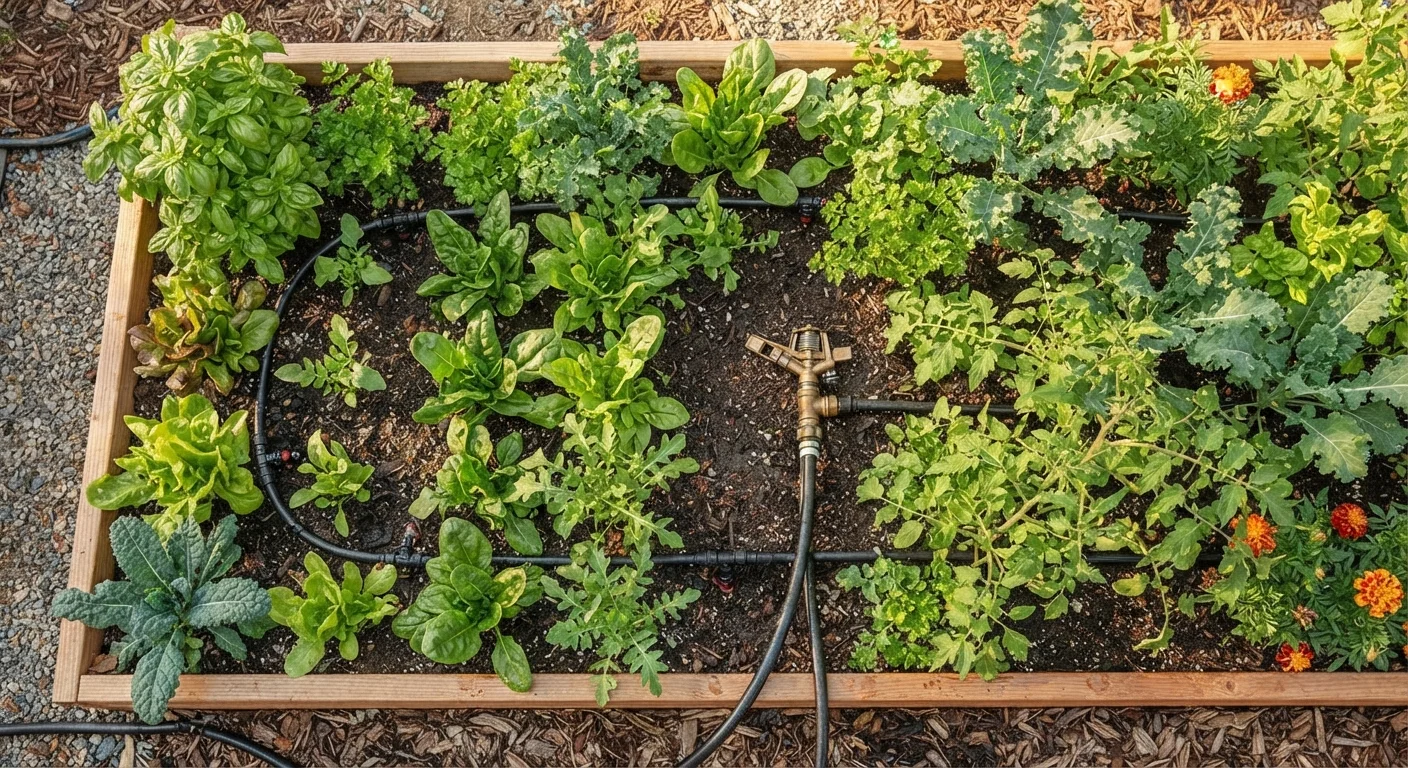
Photo: ScoutAnswers.com | Blogs That Ignite Curiosity editorial
Key Takeaways
- Drip irrigation delivers water directly to root zones, reducing waste and lowering disease risk from wet foliage.
- Sprinkler systems cover large areas efficiently but can lose significant water to evaporation and runoff.
- Installation costs differ: drip systems are generally cheaper upfront for small gardens; in-ground sprinklers cost more initially.
- Drip systems suit vegetables, shrubs, and raised beds; sprinklers work best for lawns and open turf areas.
- Both systems can be automated with timers, but drip irrigation tends to require less seasonal adjustment.
- Your soil type, plant selection, and local water restrictions should guide which system you choose.
How Each System Works
Understanding the basic mechanics of each system helps clarify why each suits different garden scenarios.
Drip irrigation delivers water slowly and directly to the soil at or near the base of each plant through a network of tubes, emitters, and micro-sprayers. Water seeps into the root zone at a controlled rate, minimizing surface evaporation and keeping foliage dry. Systems range from simple soaker hoses to more elaborate setups with pressure regulators and inline filters.
Sprinkler systems distribute water overhead through rotating or fixed heads, mimicking rainfall across a wider area. Pop-up in-ground sprinklers are the most common residential choice for lawns, while above-ground oscillating or impact sprinklers serve as temporary alternatives. The spray pattern is broad by design, making them ideal for turf but less precise for individual plants.
For gardeners weighing planting method alongside watering strategy, our guide on raised beds vs. in-ground planting also breaks down how drainage and soil control factor into your setup decisions.
| Criterion | Drip Irrigation | Sprinkler Systems |
|---|---|---|
| Water efficiency | High - targets root zone directly | Moderate - evaporation and overspray common |
| Best suited for | Vegetables, shrubs, raised beds | Lawns, turf, large open areas |
| Foliage wetting | Minimal - keeps leaves dry | High - overhead spray wets plants |
| DIY installation ease | Relatively simple for small gardens | In-ground systems often need a professional |
| Upfront cost (small garden) | Generally lower | Higher for in-ground systems |
| Automation options | Timer-compatible, easy to automate | Timer-compatible, often built into controllers |
| Maintenance | Check emitters, flush filters periodically | Seasonal winterization; head adjustments |
| Disease risk from watering | Lower - dry foliage reduces fungal risk | Higher - wet foliage can encourage disease |
Water Efficiency and Plant Health
Water efficiency is one of the clearest differentiators between these two systems. Drip irrigation applies water slowly and at low pressure, which reduces runoff and allows soil to absorb moisture thoroughly. Because water goes directly to the root zone, very little is lost to evaporation - a meaningful advantage in warmer climates or areas with summer water restrictions.
Sprinkler systems, particularly those operating midday or in windy conditions, can lose a notable portion of their output before it ever reaches the soil. Overhead watering also wets foliage, which can encourage fungal diseases in susceptible plants like tomatoes, squash, and roses. Timing sprinklers to run early in the morning reduces - but doesn't eliminate - these risks.
30-50%
Water saved by drip vs. sprinkler
According to the U.S. Environmental Protection Agency (EPA), drip irrigation can use 30-50% less water than conventional sprinkler systems when properly installed.
~50%
Outdoor water used on landscaping
The EPA estimates that roughly 30-60% of residential water use goes toward outdoor irrigation, much of which is used inefficiently.
Early AM
Optimal sprinkler run time
Irrigation experts generally recommend running sprinklers between 4-10 a.m. to reduce evaporation and minimize fungal disease risk on foliage.
From a plant health perspective, keeping leaves dry is an underrated benefit of drip irrigation. If you grow vegetables or care for roses, this single factor can reduce the need for fungicide applications over a season. Our article on watering habits that harm lawns covers how timing and frequency affect turf health in similar ways.
Installation, Cost, and Maintenance
Cost and complexity vary considerably depending on garden size, existing infrastructure, and how permanent a solution you want.
Drip irrigation kits for small-to-medium gardens are widely available and relatively affordable to install yourself. Basic systems use above-ground tubing staked into the soil and connected to an outdoor faucet, often with a timer attached. Larger or more complex drip layouts - covering multiple zones or integrating with a home irrigation controller - require more planning and can raise costs. Maintenance involves periodically checking emitters for clogs, flushing filters, and replacing any damaged tubing.
In-ground sprinkler systems typically involve trenching, professional installation, and connection to the home's water supply with backflow prevention - a job that usually requires a licensed plumber or irrigation contractor in many states. That said, once installed, in-ground systems are largely hidden, durable, and easy to automate. Above-ground sprinkler setups cost far less but require seasonal setup and storage.
Regardless of which system you choose, integrating it with a low-water landscape strategy can further reduce your overall outdoor water use.
Which System Fits Your Garden?
The right choice often comes down to what you're growing and how your yard is laid out. Drip irrigation excels in vegetable gardens, raised beds, container plantings, and areas with established shrubs or perennials - anywhere precise, consistent moisture at the root level benefits plant development. It's also a natural fit for sloped areas where sprinkler runoff is a problem.
Sprinkler systems remain the practical standard for lawns and large, open ground covers that need even, widespread coverage. Trying to water a 2,000-square-foot lawn with drip tubing is neither efficient nor practical. Many homeowners ultimately use both: in-ground sprinklers for turf zones and drip lines for garden beds, orchard trees, or foundation plantings.
When planning your garden's water needs alongside plant selection, it's worth thinking about whether your beds include perennials or annuals, since established perennials generally need less frequent irrigation than annuals once they're settled in.
Whatever system you install, pairing it with a timer and adjusting output seasonally - more in summer, less in fall - will keep your garden healthy without wasting water or guesswork.
The content on this site is for informational purposes only and is not a substitute for professional advice. Always consult a qualified professional for guidance specific to your situation.