
What 5G Actually Means for Your Phone Bill and Daily Use

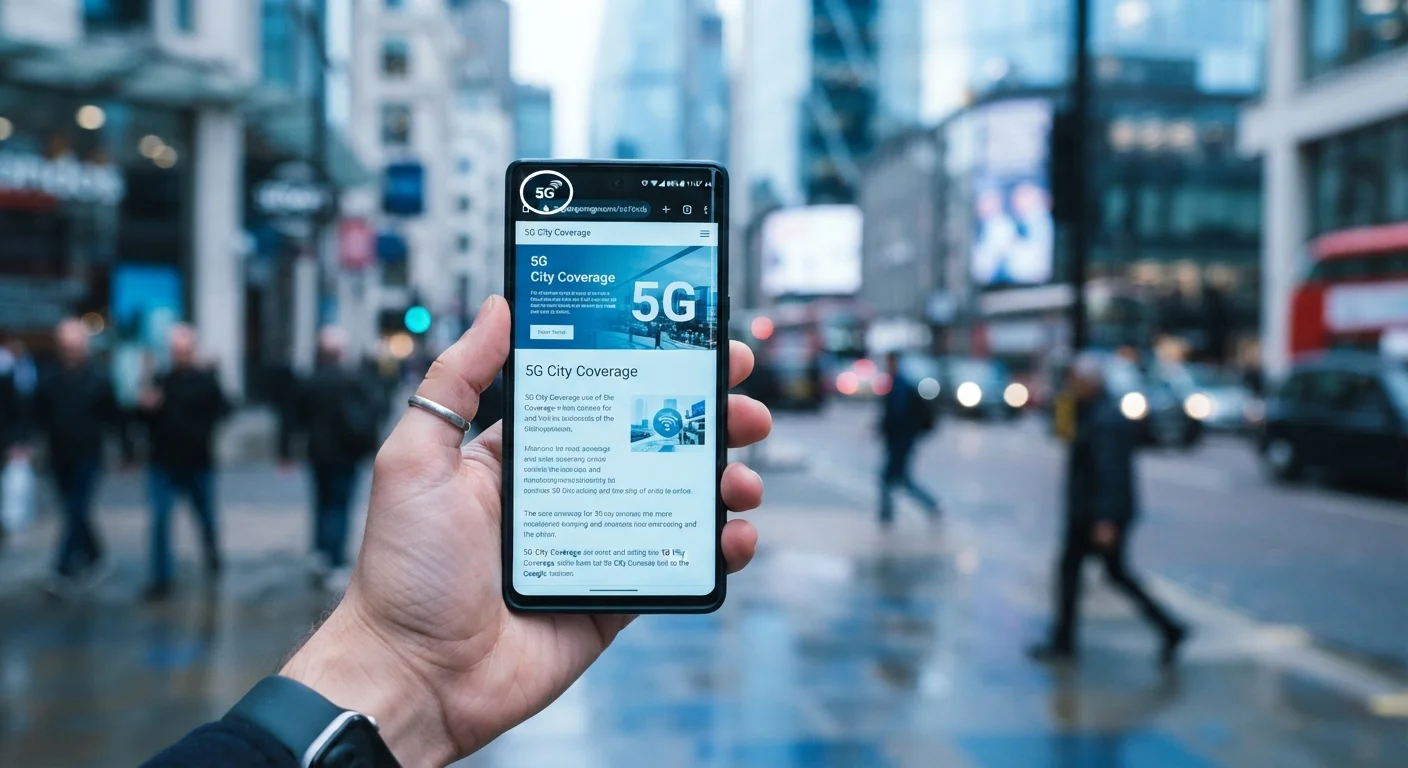
Photo: ScoutAnswers.com | Blogs That Ignite Curiosity editorial
Key Takeaways
- Not all 5G is equal - low-band, mid-band, and mmWave deliver very different speeds.
- Most Americans with 5G phones are connected to low-band 5G, which offers modest improvements over 4G LTE.
- 5G access typically does not cost extra on current plans, but faster tiers may require premium plan tiers.
- A 5G phone does not guarantee a faster experience - coverage maps and plan tier matter more.
- 5G's biggest practical benefits today are in congested urban areas with mid-band deployment.
- For most users, 5G should be a factor in phone selection but not the sole reason to switch carriers or plans.
The Three Types of 5G - and Why the Difference Matters
When a carrier advertises 5G coverage, they may be referring to any of three very different technologies. Understanding the distinction is the single most useful thing you can do before accepting a carrier's 5G marketing at face value.
- Low-band 5G operates below 1 GHz and travels long distances, penetrating buildings reasonably well. It covers the most geography but delivers speeds only incrementally better than 4G LTE - often 20-100 Mbps. This is what most Americans with a 5G phone are actually connecting to.
- Mid-band 5G (typically 2.5-6 GHz) is where meaningful speed improvements appear. Real-world downloads commonly reach 200-600 Mbps in well-covered areas. This band requires denser tower deployments and is most available in urban and suburban markets.
- Millimeter wave (mmWave) operates above 24 GHz and can theoretically exceed 1 Gbps, but its signal degrades within hundreds of feet and struggles with walls, trees, and rain. It is practical only in dense venues like stadiums, airports, and city blocks with dedicated infrastructure.
Carrier coverage maps rarely distinguish between these three tiers by default. When evaluating a plan, ask specifically which 5G bands are active in the areas where you live, work, and commute. How carriers differ in network infrastructure is a useful starting point for that research.
5G and Connected Devices Beyond Phones
What 5G Actually Changes - and What It Doesn't
For everyday tasks like streaming video, browsing, and messaging, 4G LTE is already more than sufficient. A well-provisioned LTE connection handles HD video streaming, video calls, and navigation without issue. The practical upgrade from low-band 5G for these use cases is minimal.
Where 5G delivers a noticeable difference today:
- Congested locations: Mid-band 5G handles more simultaneous users per tower, which reduces the speed drops common at concerts, sports events, and commuter stations.
- Large file downloads: App updates, high-resolution video downloads, and game patches move meaningfully faster on mid-band 5G.
- Latency-sensitive applications: Cloud gaming, AR applications, and real-time collaboration tools benefit from 5G's lower latency, though this advantage is primarily realized on mid-band and mmWave connections.
What 5G does not change: your plan's data cap, deprioritization thresholds, or the fees that quietly add to your advertised rate. Those are plan-level decisions, not network-generation decisions. Charges that quietly inflate your monthly phone bill covers the cost factors that actually move the needle on what you pay.
Check Your Coverage Before Upgrading
5G and Your Plan: What to Check Before Committing
5G access is bundled into most postpaid plans without a separate line item, but the speed tier you can access often depends on your plan level. Carriers commonly reserve mid-band 5G priority - or label it as "premium" 5G - for their higher-cost unlimited tiers. Entry-level unlimited plans may technically include 5G but cap users at low-band speeds or apply aggressive deprioritization.
Before selecting or upgrading a plan based on 5G, verify three things:
- Which 5G bands are deployed in your primary locations. Low-band coverage being marked on a map does not mean mid-band speeds are available there.
- Whether your current device supports the relevant bands. 5G modems are not universal - a phone that supports low-band 5G may not support mid-band on all carriers.
- What the plan tier actually unlocks. Carrier plan language can obscure what you're actually purchasing; reading the fine print on "5G access" versus "5G Ultra" or equivalent premium labels matters.
If you are evaluating a new plan or carrier, use a structured checklist approach. Questions to ask before committing to a carrier covers coverage verification, device compatibility, and contract terms in a format that helps surface the factors 5G marketing often obscures.
~90%
US population with some 5G coverage
Low-band 5G networks from major carriers cover a large share of the US population, though mid-band and mmWave coverage is significantly more limited geographically.
30-100 Mbps
Typical low-band 5G real-world speed
Industry speed tests and network analysts consistently place low-band 5G performance in a range overlapping with strong 4G LTE, limiting its practical upgrade value for most users.
200-600 Mbps
Typical mid-band 5G real-world speed
Mid-band 5G - deployed primarily in urban and suburban areas - represents the tier where users are most likely to notice a meaningful speed improvement in daily use.
Frequently Asked Questions
The content on this site is for informational purposes only and is not a substitute for professional advice. Always consult a qualified professional for guidance specific to your situation.