
Before You Book That European Trip: A Pre-Travel Checklist for American Travelers

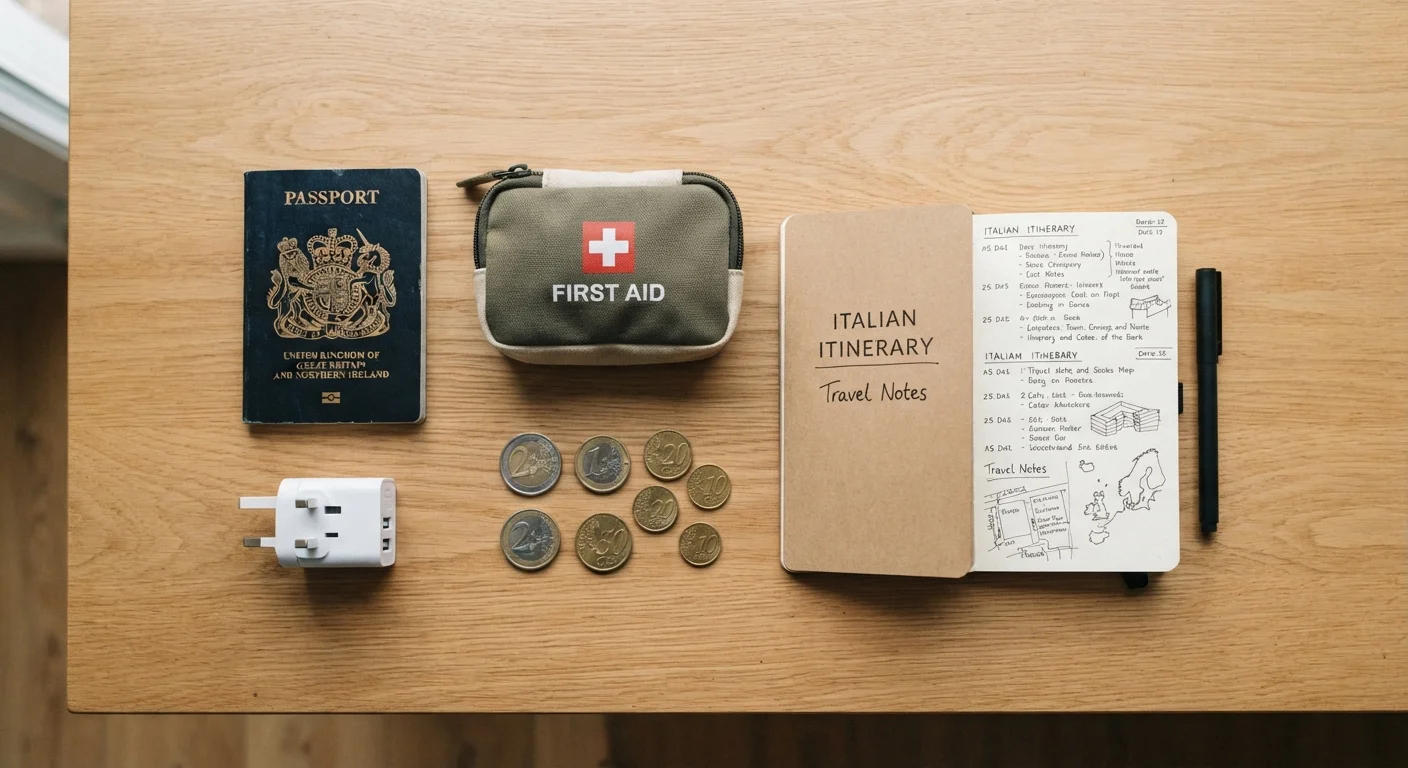
Photo: ScoutAnswers.com | Blogs That Ignite Curiosity editorial
Key Takeaways
- Your passport must typically be valid for at least six months beyond your travel dates to enter European countries.
- Most EU countries participate in ETIAS, a new travel authorization system that Americans will eventually need to obtain before entry.
- Notifying your bank before departure helps avoid having your card flagged or frozen while abroad.
- Travel insurance is not required but can protect against trip cancellation, medical costs, and lost luggage.
- Power adapters and voltage converters are two different things - know which one your devices need.
- Always verify current entry requirements with official government sources before you book or depart.
Why a Pre-Travel Checklist Matters for European Trips
Planning a trip to Europe involves more moving pieces than a domestic vacation - different currencies, power systems, entry requirements, and health considerations all need attention before you leave home. Missing even one item can mean a denied boarding pass, a frozen bank account at the worst moment, or a medical bill with no coverage.
This checklist is designed to help everyday American travelers work through the essentials methodically, without overlooking the details that cause real problems. For a broader view of how this fits into your overall planning process, see our guide to the anatomy of a well-planned trip. If you're unclear on travel terminology as you book, our glossary of essential travel terms explains key concepts in plain language.
U.S. State Department Travel Website (travel.state.gov)
Check country-specific entry requirements, passport validity rules, and current travel advisories before booking.
Smart Traveler Enrollment Program (STEP)
Register your overseas trip to receive official alerts and make it easier for the embassy to assist you in an emergency.
CDC Travelers' Health Portal
Look up destination-specific vaccine recommendations and health notices to discuss with your doctor.
Offline maps app (e.g., Maps.me or Google Maps offline)
Download city maps and transit routes before departure so you can navigate without a data connection.
Travel insurance comparison tool
Review policy options covering medical evacuation, trip cancellation, and lost luggage to find a plan suited to your itinerary.
Working Through the Checklist
Use the checklist groups below to audit your preparation at least four to six weeks before departure. Items marked must are non-negotiable - they directly affect your ability to travel or stay safe. Should items are strongly recommended for a smooth trip. Nice-to-have items add convenience but won't derail your journey if skipped.
Passport Validity: Six-Month Rule
Documents & Entry Requirements
Flights & Accommodations
Money & Banking
Health & Safety
Electronics & Connectivity
On the safety front, strong preparation goes beyond documents. Our article on staying safe abroad without letting fear run your trip offers grounded, practical habits for keeping yourself secure in unfamiliar environments.
Entry Rules Change - Always Verify Officially
Don't Confuse Adapters With Converters
When you're ready to think about packing, our structured packing checklist covers clothing, electronics, documents, and health essentials in a format you can move through quickly. And if you want to see how this Europe-specific checklist compares to a general pre-trip framework, the pre-trip readiness checklist covers the universal baseline every traveler should cover.
This article provides general travel information only. Entry requirements, health guidance, and regulations change frequently - always verify current rules with the U.S. State Department, relevant embassies, and your healthcare provider before traveling.
The content on this site is for informational purposes only and is not a substitute for professional advice. Always consult a qualified professional for guidance specific to your situation.