
Japan as a Travel Destination: What the Country Is Really Like for American Visitors

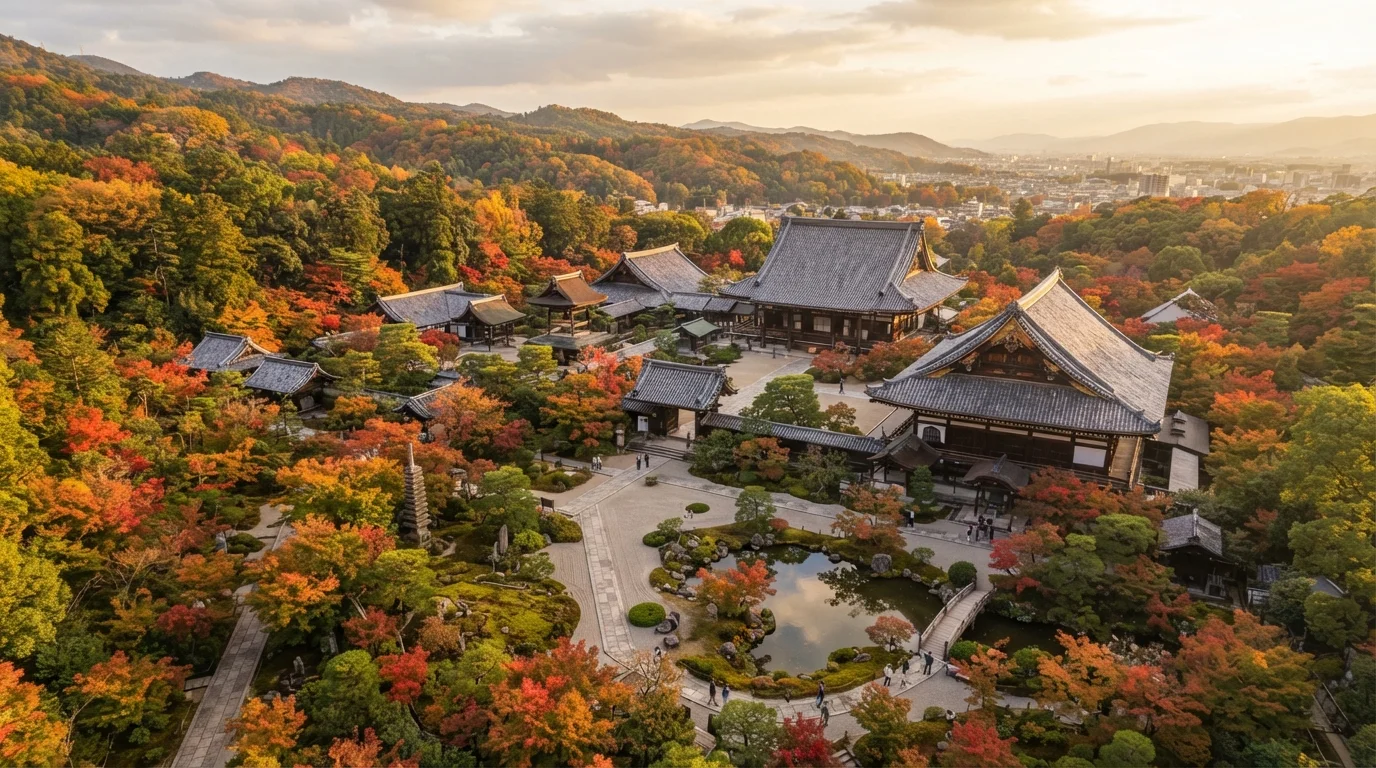
Photo: ScoutAnswers.com | Blogs That Ignite Curiosity editorial
Key Takeaways
- Japan is widely considered one of the safest international destinations for American travelers.
- The language barrier is real but manageable with basic preparation and translation apps.
- Public transit in Japan is world-class but requires advance planning to use efficiently.
- Travel costs vary widely - budget and mid-range options both exist alongside premium experiences.
- Seasonal timing significantly affects crowd levels, pricing, and what you'll actually see.
What Japan Actually Feels Like on the Ground
Americans who arrive in Japan for the first time often describe a specific kind of surprise: things just work. Trains run on time. Streets are clean. Getting lost rarely feels dangerous. That impression is largely accurate - but it coexists with a steep cultural learning curve that no travel blog fully prepares you for.
Japan is organized around a set of unspoken social norms that differ meaningfully from American defaults. Speaking loudly on public transit, eating while walking, or tipping at restaurants can mark you as inconsiderate rather than generous. Tipping is not customary in Japan - in some contexts it can be perceived as rude. Understanding a few core etiquette principles before you go isn't about being performatively respectful; it's about having smoother interactions with locals and avoiding friction.
Cities like Tokyo and Osaka are dense, fast-paced, and enormously stimulating. Smaller cities - Kyoto, Nara, Hiroshima, Kanazawa - offer a different pace and often more direct access to historical and natural sites. Most first-time visitors try to pack in too many cities in too few days. The transit system makes movement fast, but cultural depth takes time. Planning your trip with intention from the start will help you avoid the trap of moving so quickly you don't actually experience where you are.
Start With One Region, Not the Whole Country
Navigating Transit and the Language Barrier
Japan's rail network is legitimately world-class. The Shinkansen (bullet train) system connects major cities quickly and reliably. Within cities, subway and local train networks are extensive. IC cards - rechargeable transit cards like Suica or Pasmo - work across most of the country's transit systems and are worth getting at any major airport on arrival.
The JR Pass, a multi-day rail pass sold to foreign visitors, can offer good value if you're planning to travel between multiple cities. Whether it makes financial sense depends entirely on your specific itinerary - run the numbers against point-to-point ticket prices before assuming it's worth it.
On language: major stations and airports have English signage, and Google Maps works reliably for transit navigation. Outside of central tourist areas, English proficiency among staff and locals varies. A translation app with offline capability (downloaded before you leave) is one of the most practical tools you can bring. Learning basic words - sumimasen (excuse me), arigatou gozaimasu (thank you), eigo ga hanasemasu ka? (do you speak English?) - creates goodwill and often unlocks more help than you'd expect.
~3.7M
Annual US visitors to Japan (pre-pandemic figures)
According to Japan Tourism Agency data, the US has consistently ranked among the top source markets for inbound international visitors.
99.9%
Shinkansen on-time rate (within 1 minute)
Japan's bullet train network is routinely cited as among the most punctual rail systems in the world by transportation analysts.
Top 10
Global safety rankings for Japan
Japan regularly appears in the top tier of the Global Peace Index, an annual report produced by the Institute for Economics and Peace.
Costs, Seasons, and What to Realistically Expect
Japan's reputation as prohibitively expensive is outdated. The country has a robust budget infrastructure: capsule hotels, hostels, convenience store meals (which are genuinely good), and set-lunch menus at restaurants that would be dinner-priced elsewhere. A careful traveler can keep daily costs reasonable without sacrificing quality.
That said, accommodation in major cities during peak seasons - cherry blossom season in spring and autumn foliage season - gets expensive fast. Book well in advance if you're targeting those windows. If your schedule is flexible, shoulder seasons (June aside from the rainy period, and January through February) offer noticeably lower prices and thinner crowds.
Americans sometimes underestimate how cash-reliant Japan remains. Budget for cash expenses and identify where you'll reliably withdraw yen - 7-Eleven and Japan Post ATMs are the most dependable for foreign cards.
For destination research, learning to read travel reviews critically matters more for Japan than almost anywhere - the gap between viral online narratives and ground-level reality can be wide. And if you're weighing Japan against a more familiar long-haul option, the pre-travel checklist for Europe offers a useful structural comparison for any major international trip. For broader travel tips and packing guidance, including safety habits abroad, building a solid pre-departure routine pays dividends anywhere you go.
This article provides general travel information for educational purposes. Entry requirements, costs, and conditions change - always verify visa rules, health requirements, and travel advisories with official government sources before booking.
Frequently Asked Questions
The content on this site is for informational purposes only and is not a substitute for professional advice. Always consult a qualified professional for guidance specific to your situation.