
National Parks That Aren't Yellowstone: Underappreciated American Wilderness Worth the Trip

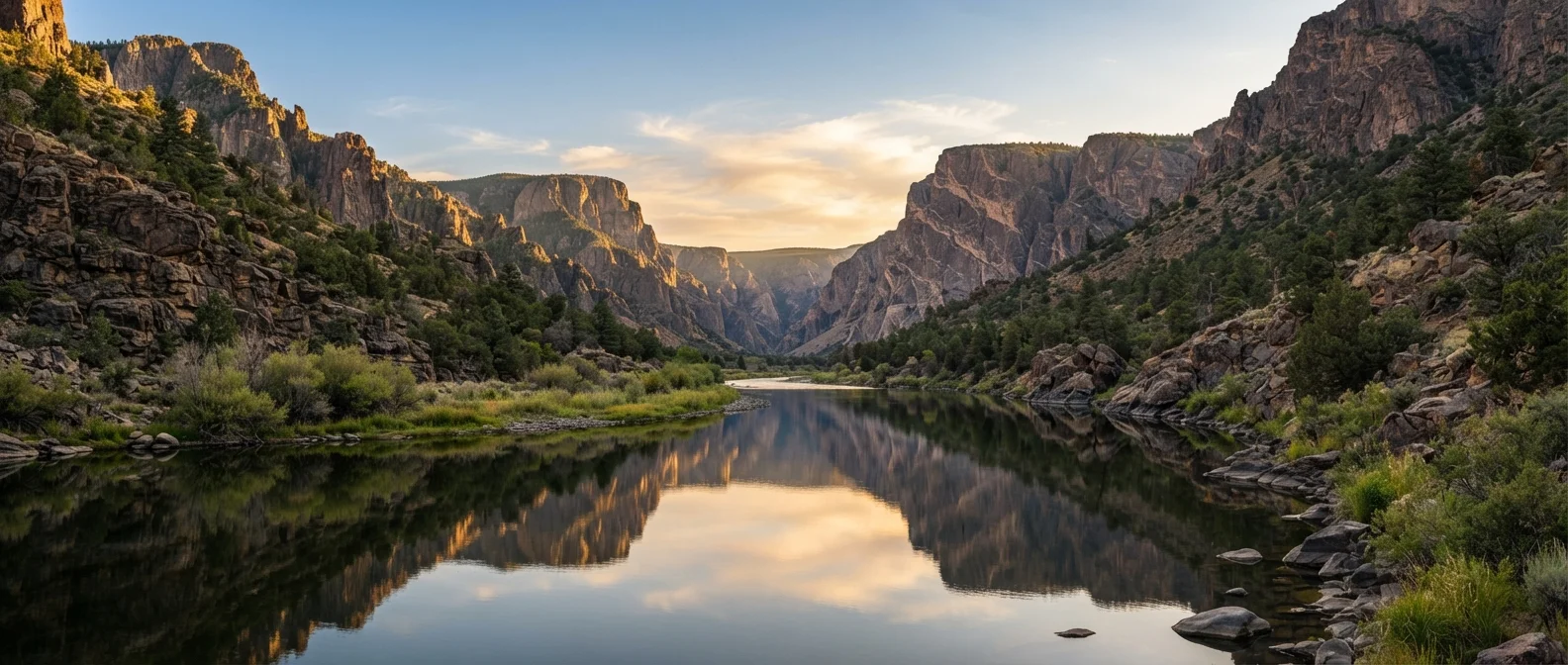
Photo: ScoutAnswers.com | Blogs That Ignite Curiosity editorial
Key Takeaways
- Many US national parks rival Yellowstone in beauty but attract a fraction of the visitors.
- Lesser-visited parks often have more accessible trails, lower entry fees, and easier permit availability.
- Each underappreciated park offers a distinctly different landscape, from painted deserts to ancient forests.
- Planning ahead with official NPS resources helps you verify conditions, hours, and entry requirements.
- Visiting off-peak parks supports local economies in rural communities that rely on park tourism.
Why Skip the Crowds Without Skipping the Wonder
Yellowstone deserves its fame - geysers, bison, and thermal pools make it genuinely extraordinary. But with over 4 million annual visitors, summer weekends mean packed parking lots, reserved campsites gone months in advance, and wildlife viewings that come with a crowd. The good news: the United States manages 63 national parks, and a meaningful number of them offer comparable drama with a fraction of the foot traffic.
Whether you're drawn to canyon country, coastal wilderness, or ancient volcanic terrain, there's likely a park that fits your itinerary and travel style - without the logistical stress of the marquee destinations. The parks below represent a cross-section of geography, difficulty, and experience, chosen for their distinct character and genuine accessibility to everyday American travelers.
Start With the NPS App Before You Go
Seven Parks Worth Building a Trip Around
Great Basin National Park, Nevada
Tucked against the Nevada-Utah border, Great Basin protects one of the least light-polluted night skies in the continental US. Its centerpiece, Wheeler Peak, rises to nearly 13,000 feet and shelters a rare ancient bristlecone pine grove - some trees alive for over 4,000 years. Lehman Caves, a marble cave system beneath the mountain, offers guided tours year-round. Fewer than 150,000 people visit annually, meaning trails feel uncrowded even on summer weekends.
Some bristlecone pines here have been alive for more than 4,000 years.
Isle Royale National Park, Michigan
Accessible only by ferry or seaplane across Lake Superior, Isle Royale is the least-visited national park in the contiguous US - and intentionally so. The island's remoteness filters for self-sufficient hikers and kayakers willing to earn their solitude. Wolf and moose populations have been studied here for decades in one of the longest-running predator-prey research projects in the world. There are no roads, no cell service, and no casual day-trippers. If you want genuine wilderness, Isle Royale delivers it without compromise.
Isle Royale is the least-visited national park in the lower 48 states.
Black Canyon of the Gunnison, Colorado
Colorado's more famous parks - Rocky Mountain, Mesa Verde - pull enormous crowds. Black Canyon of the Gunnison, just a few hours south, sees a small fraction of that traffic despite containing some of the most dramatically sheer cliff walls in North America. The Gunnison River has carved walls up to 2,700 feet deep in places, and the canyon is so narrow that some sections receive less than 30 minutes of direct sunlight per day. Rim drives and overlook trails require minimal effort for maximum visual payoff.
Parts of Black Canyon receive less than 30 minutes of direct sunlight daily.
Congaree National Park, South Carolina
The Southeast's only national park on this list, Congaree protects the largest intact expanse of old-growth bottomland hardwood forest in the US. Towering loblolly pines and bald cypresses create a cathedral-like canopy above a floodplain wetland. Boardwalk trails keep feet dry while leading visitors through a surprisingly wild interior. In late spring, Congaree hosts a synchronous firefly event that draws nature enthusiasts from across the country - though even during that period, the park remains far quieter than comparable spectacle destinations.
Congaree holds the largest intact old-growth bottomland hardwood forest in the US.
Guadalupe Mountains National Park, Texas
Often overshadowed by neighboring Carlsbad Caverns (New Mexico) and Big Bend (further west), Guadalupe Mountains contains the highest peak in Texas and the world's most extensive Permian-age fossil reef. The park rewards hikers with genuine solitude - annual visitation hovers around 200,000 - and fall color that surprises most people who don't associate Texas with autumn foliage. The backcountry requires a permit but no reservation fees, and front-country camping is first-come, first-served.
Guadalupe Mountains protects the most extensive Permian-age fossil reef in the world.
Voyageurs National Park, Minnesota
Voyageurs is fundamentally a water park - most of it is navigable only by boat, canoe, or kayak, which naturally limits the visitor pool. The park's interconnected lakes sit along the US-Canada border in northern Minnesota, and the landscape shifts dramatically by season: summer brings calm paddling and fishing, while winter sees the lakes freeze solid enough for snowmobiling on groomed routes. Houseboats can be rented for multi-night stays on the water, offering an experience with no real equivalent elsewhere in the national park system.
Most of Voyageurs National Park is only accessible by water.
Lassen Volcanic National Park, California
Northern California's Lassen is one of only a handful of places on Earth where all four types of volcanic terrain - plug dome, shield, cinder cone, and composite - exist within a single park. Hydrothermal features rival Yellowstone's in variety if not in scale: boiling mud pots, steaming fumaroles, and sulphurous vents dot the landscape. Lassen Peak, the park's centerpiece, erupted as recently as 1915 and is still considered potentially active. Snowpack keeps higher elevations closed into June most years, making late summer and early fall the most reliable window for summit trails.
Lassen is one of very few places on Earth containing all four types of volcanic terrain.
Entry Fees and America the Beautiful Pass
How to Plan Your Visit Confidently
Before finalizing any national park trip, check the official National Park Service website (nps.gov) for the most current entry fees, reservation requirements, seasonal closures, and accessibility information. Conditions at remote parks can shift quickly - road washouts, wildlife activity, and fire restrictions are all real variables that don't always make regional news.
For parks in the Southwest, our Southwest road trip planning guide offers a practical regional framework covering routes, climate windows, and entry points that can help you string multiple parks into a single memorable journey. Wherever you go, arriving during shoulder season - spring or fall for most parks - gives you the best balance of accessible trails, manageable temperatures, and thinner crowds.
The content on this site is for informational purposes only and is not a substitute for professional advice. Always consult a qualified professional for guidance specific to your situation.