
What Travelers Consistently Get Wrong About Visiting Costa Rica

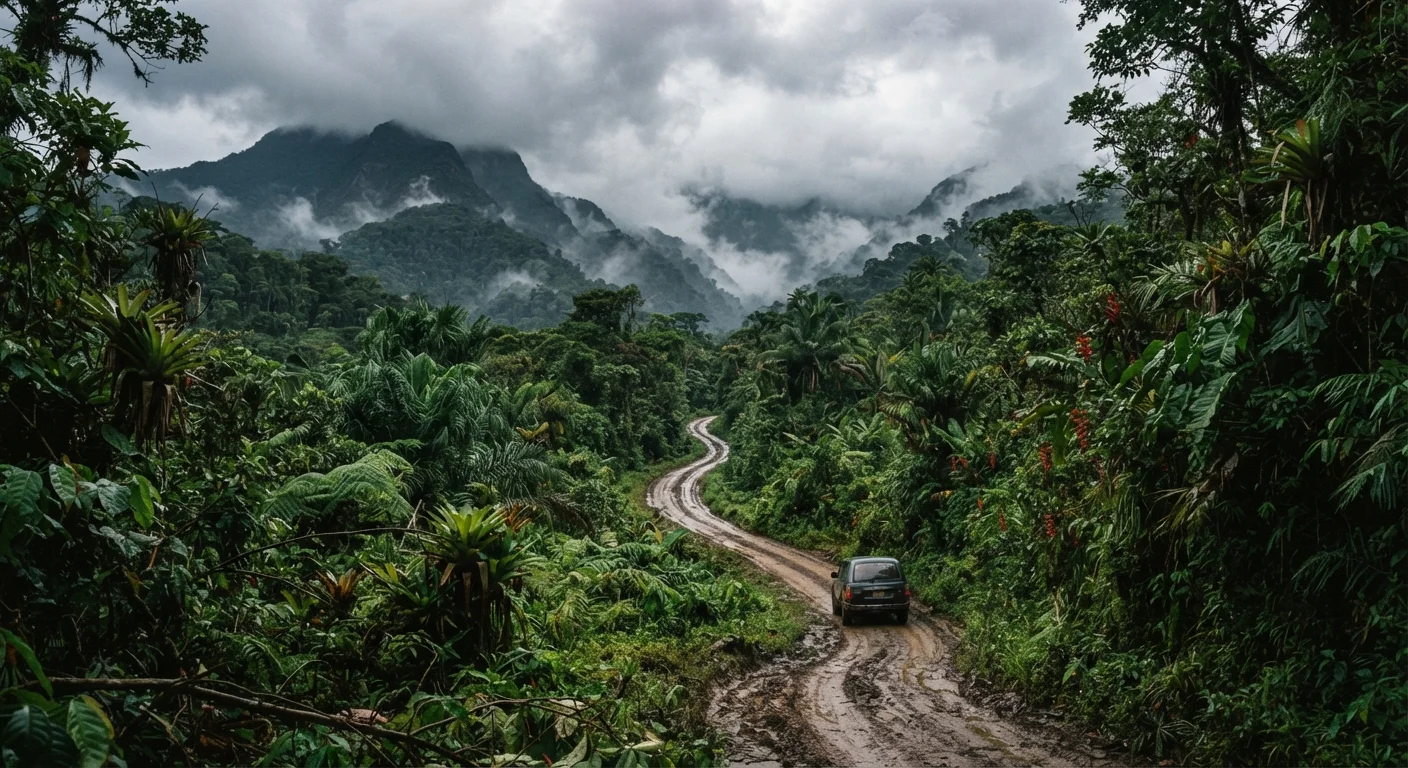
Photo: ScoutAnswers.com | Blogs That Ignite Curiosity editorial
Key Takeaways
- The rainy season is longer and more widespread than most travelers expect when booking.
- Wildlife sightings are not guaranteed - timing, location, and patience all matter significantly.
- Getting between destinations takes far longer than maps suggest due to road conditions.
- Costa Rica is not a budget destination by Central American standards - costs add up quickly.
- Park entry and tour reservations often require advance booking, not spontaneous arrival.
Why Costa Rica Trips Often Fall Short of Expectations
Costa Rica is one of the most visited destinations in the Western Hemisphere, and for good reason - biodiversity, coastal beauty, and ecological conservation make it genuinely extraordinary. But a gap consistently appears between what travelers imagine and what they actually encounter. That gap isn't the destination's fault. It's almost always the result of planning built on assumptions rather than research.
Understanding where those assumptions break down - before you book - is the difference between a frustrating trip and a memorable one. The mistakes below aren't obscure edge cases. They're patterns that repeat across traveler accounts and trip reports, and every one of them is avoidable. See our guide to common trip-planning missteps for a broader look at how early decisions shape entire itineraries.
Treating the entire country as having one climate and planning accordingly.
Expecting frequent, close-up wildlife encounters as a given.
Underestimating driving times between destinations.
Assuming national parks and reserves are walk-in accessible.
Skipping travel insurance because Costa Rica feels safe and familiar.
Planning Around Reality, Not the Brochure
Costa Rica rewards travelers who do their homework. Road conditions, regional microclimates, and reserve access rules all require research specific to where you're going and when - not just general country-level information. Lumping the whole country into one weather or wildlife expectation is a mistake similar to what travelers make with larger destinations. Mexico's regional diversity is a well-documented planning trap; Costa Rica, though smaller, has the same problem in miniature across its Caribbean and Pacific coasts, highlands, and dry northwest.
25%
Land protected as national parks or reserves
Costa Rica has set aside roughly a quarter of its territory as protected natural areas, which shapes access rules and visitor logistics throughout the country.
5%
Share of world's biodiversity found here
Despite covering less than 0.03% of Earth's surface, Costa Rica is home to an estimated 5% of the planet's species, according to widely cited conservation estimates.
Budget assumptions also need recalibrating. Costa Rica's conservation infrastructure, eco-lodges, and park fees make it a mid-range to premium destination. Travelers expecting Central American prices often encounter a steeper bill than anticipated - for accommodation, tours, and food alike. Hidden costs like national park entry, shuttle transfers between regions, and mandatory guide fees inside certain reserves can add hundreds of dollars to a trip. Review the common myths about budget travel before assuming you can do Costa Rica cheaply without real trade-offs.
The travelers who leave satisfied are almost always those who built flexibility into their schedule, verified road and weather conditions for their specific regions, and booked park access and guided tours in advance. That preparation doesn't take the spontaneity out of travel - it protects it.
Road Conditions Can Change Without Notice
The content on this site is for informational purposes only and is not a substitute for professional advice. Always consult a qualified professional for guidance specific to your situation.