
Checked Bags vs. Carry-On: Choosing Based on Your Trip, Not the Fee

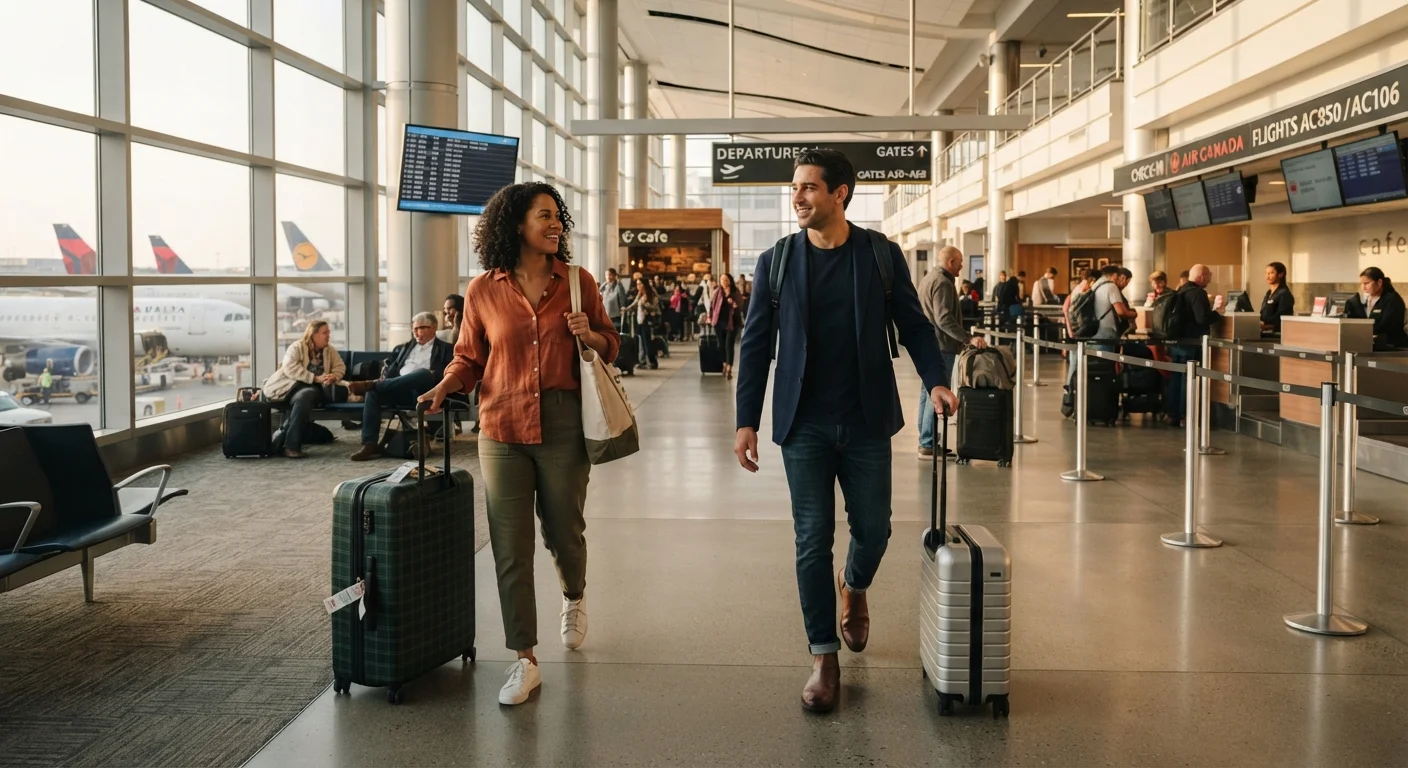
Photo: ScoutAnswers.com | Blogs That Ignite Curiosity editorial
Key Takeaways
- Trip length is the single strongest predictor of whether a carry-on will realistically meet your needs.
- Activity type - hiking, beach, business, wedding - often dictates bag size more than personal preference.
- Checked bag fees are a real cost, but so is the time and stress of managing a stuffed, overweight carry-on.
- Some destinations and airlines make carry-on travel harder than others - regional jets have strict bin limits.
- Packing skills can extend carry-on viability, but only up to a point; some trips simply require more gear.
Why the Fee Framing Misses the Point
The conversation about checked bags versus carry-ons almost always starts with money - specifically, how much airlines charge to check a bag. That's understandable. Fees have risen considerably over the years and can add real cost to a trip. But optimizing your luggage choice purely around fee avoidance is a trap.
A carry-on that's crammed beyond reason, stuffed with wrinkled clothes and toiletries that violate TSA limits, creates a different kind of cost: stress, delays, and a week of making do with gear that doesn't actually fit your trip. On the other side, checking a bag on a quick overnight trip wastes time at baggage claim when you had no reason to check anything at all.
The smarter question isn't "how do I avoid the fee?" - it's "what does this specific trip actually require?" See our guide to hidden travel costs for a fuller picture of where travel budgets quietly break down beyond just bag fees.
| Criterion | Checked Bags | Carry-On Only |
|---|---|---|
| Best trip length | 5+ days | 1-5 days |
| Activity types | Outdoor, formal, multi-activity | Urban, business, predictable |
| Airport time | Longer (check-in & claim) | Shorter (no claim wait) |
| Lost luggage risk | Higher on complex routes | Lower (bag stays with you) |
| Regional jet compatibility | Not affected by bin size | Bag often gate-checked anyway |
| Specialty gear | Accommodates bulky items | Very limited capacity |
| Fee structure impact | Added cost on most US carriers | Free on most fare types |
| Packing flexibility | High - room to adapt | Low - requires discipline |
When a Carry-On Is Genuinely the Right Call
Carry-on travel works best when three conditions align: your trip is short (generally five days or fewer), your activities are predictable, and your clothing needs are consistent. Urban travel - city breaks, conference trips, quick visits to family - fits this profile well. You're not packing for temperature swings, you can re-wear items across similar days, and you likely won't need bulky gear.
Speed is a legitimate advantage. Skipping baggage claim on a domestic flight can save 20 to 45 minutes, and that matters when you're catching a connecting flight or trying to reach a hotel before an event. For travelers who fly frequently on short routes, that time compounds across the year.
Carry-on travel also reduces the risk of lost or delayed luggage - a real concern on itineraries with tight connections or smaller regional airports. That said, carry-on isn't magic. Regional jets - the smaller aircraft used on many domestic routes - often have strict overhead bin limits, and gate-checked bags become common. Our article on what actually fits in a carry-on gives a realistic breakdown of capacity limits most travelers underestimate.
~20-45 min
Time saved bypassing baggage claim
Industry estimates suggest domestic travelers waiting at baggage claim average 20 to 45 minutes, depending on airport size and flight load.
1 in 166
Checked bags mishandled per passenger
According to SITA's Baggage IT Insights report, the global mishandling rate for checked bags has declined significantly but remains a measurable risk on complex itineraries.
5 days
Trip length where carry-on viability drops
Experienced travel packers widely cite five days as the practical threshold beyond which carry-on packing requires significant compromise for most travelers.
When a Checked Bag Is the Practical Choice
Longer trips, diverse activities, and specialty gear are where carry-on travel starts to buckle. If you're spending ten days hiking national parks in the morning and attending dinners in the evening, you're packing for two different worlds - and the math on what fits in an overhead bin gets difficult fast.
Destination type matters too. Beach travel involves bulky items - sandals, coverups, sunscreen in quantities too large for TSA liquids rules - that eat carry-on space quickly. Cold-weather destinations require heavier layers that simply don't compress efficiently. And any trip involving formal events, weddings, or professional presentations typically requires a garment bag or equivalent protected space that a standard carry-on can't provide.
Medical equipment is another category where the decision is straightforward. Items like CPAP machines, mobility aids, or significant medication supplies often require dedicated packing that leaves no reasonable room for everything else. Airlines have specific policies about medical items - always verify directly with your carrier before traveling.
If your trip involves significant gear rental at the destination - ski equipment, dive gear, bicycles - a checked bag may still make sense for clothing and accessories even if the bulky equipment is handled separately. Thinking through how you've structured your travel budget can also clarify whether bag fees are truly a dealbreaker or just a line item to plan for.
Route and Airline Variables That Affect the Decision
The type of aircraft on your route changes the carry-on calculus in ways many travelers don't anticipate. Mainline jets - the larger aircraft on high-traffic routes - typically offer generous overhead bin space. Regional jets, which serve shorter and less busy routes, often have bins too small for a standard carry-on roller bag. On these flights, your bag is gate-checked regardless of your preference, which removes the speed advantage of carry-on travel almost entirely.
Airline policies also vary meaningfully. Some carriers allow one free personal item and one carry-on; others have moved to fare structures where even carry-on bags require an upgrade. Basic economy fares on many major US carriers restrict overhead bin access entirely. Knowing your fare class before you choose your bag strategy avoids unpleasant surprises at the gate.
International travel adds another layer. On some international routes, checked baggage allowances are included in the base fare, making the fee equation flip - suddenly, checking a bag costs nothing extra, while carry-on-only requires careful planning around liquids rules and customs inspections. Always confirm baggage policies with your specific airline and fare type before departure, and check official government and airline sources for entry requirements. For travelers going abroad, reviewing how your travel format affects trip logistics can add useful context.
The content on this site is for informational purposes only and is not a substitute for professional advice. Always consult a qualified professional for guidance specific to your situation.