
Flight Delays and Cancellations: What Passengers Are Actually Owed

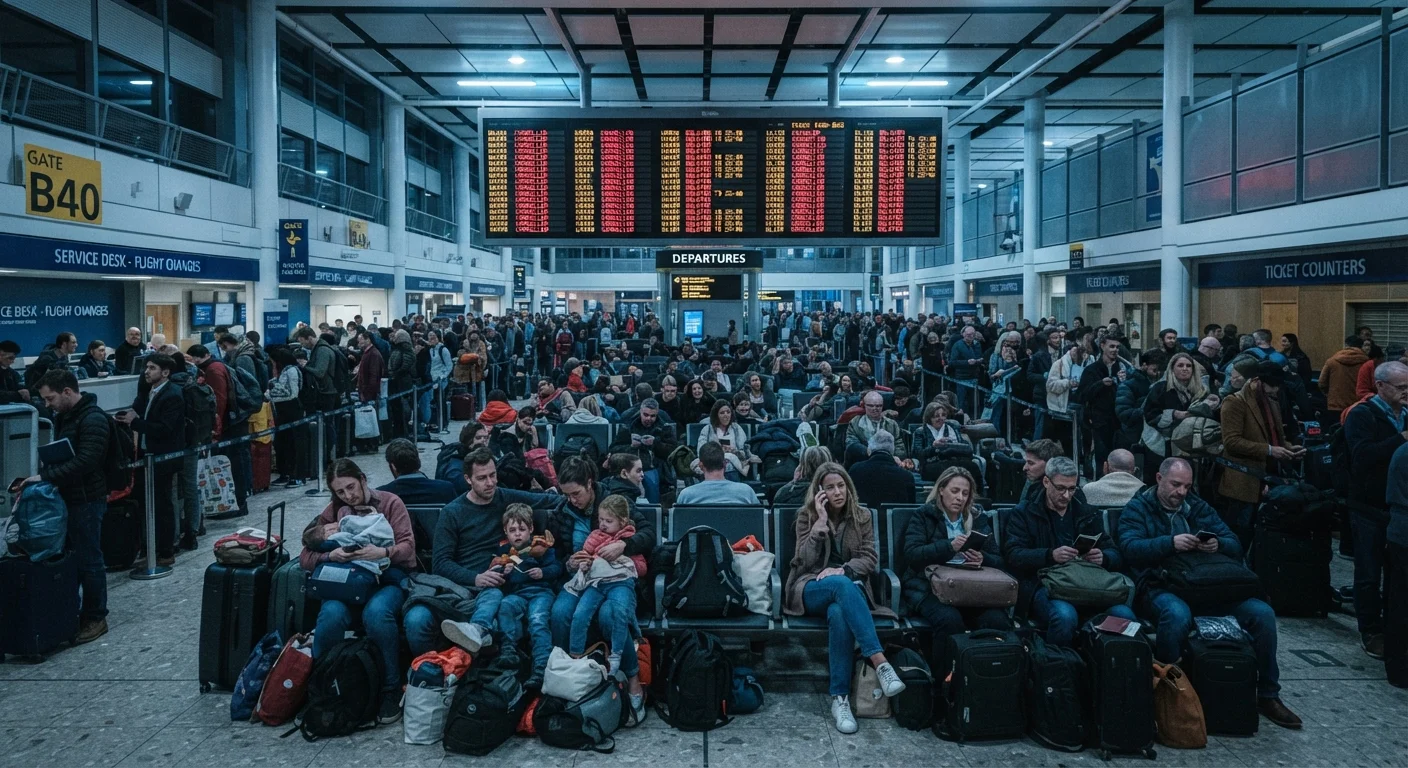
Photo: ScoutAnswers.com | Blogs That Ignite Curiosity editorial
Key Takeaways
- U.S. law guarantees a full refund for cancelled flights regardless of the reason, including non-refundable tickets.
- For delays, airlines are not federally required to pay cash compensation unless you are bumped from an oversold flight.
- What an airline offers during a delay - meals, hotels, rebooking - depends heavily on its own customer service commitments.
- European Union rules (EC 261/2004) can apply to U.S. travelers flying on qualifying transatlantic routes.
- Travel insurance can fill significant gaps that airline policies leave open.
The Core Rule: Cancellations vs. Delays Are Treated Differently
The first thing every traveler should understand is that U.S. law draws a sharp line between cancellations and delays. These two disruptions trigger very different obligations.
Cancellations: The DOT requires airlines to offer a full cash refund - to your original payment method - when they cancel a flight. It does not matter whether your ticket was advertised as non-refundable, and it does not matter why the cancellation occurred. Weather cancellations are included. You are not obligated to accept a voucher, a travel credit, or a rebooking you do not want.
Delays: No federal statute requires U.S. airlines to compensate passengers financially for a delayed flight. What you receive - if anything - is governed by the airline's own Customer Service Plan, a publicly available document each carrier is required to maintain. Some plans promise meal vouchers after a two-hour delay or hotel accommodation for overnight disruptions caused by the airline. Others offer less. Review your carrier's plan before you travel so you know what to expect.
Airline Customer Service Plans Are Public Documents
Involuntary Bumping: Where U.S. Cash Compensation Does Apply
One situation where U.S. law does mandate cash compensation is involuntary denied boarding - also called being bumped. When an airline oversells a flight and cannot find enough volunteers willing to give up their seats, passengers who are bumped against their will are entitled to compensation set by DOT formula.
The amount is tied to your original ticket price and the length of your delay getting to your destination:
- A shorter domestic delay (under two hours) triggers a payment of 200% of your one-way fare, up to $775.
- A longer delay triggers 400% of your one-way fare, up to $1,550.
These figures are periodically adjusted by the DOT. Always verify current limits at transportation.gov before assuming a specific dollar amount applies to your situation.
Voluntarily giving up your seat is a different matter entirely - in that scenario, you negotiate directly with the gate agent and accept whatever the airline offers, which is not legally fixed.
Up to $1,550
Max U.S. involuntary bumping compensation
Per DOT rules, passengers involuntarily denied boarding on domestic routes may receive up to $1,550, depending on fare and delay length.
€600
Maximum EU fixed compensation per passenger
Under EC 261/2004, passengers on qualifying long-haul flights departing EU airports can claim up to €600 for significant delays or cancellations.
100%
Refund owed for airline-cancelled flights
U.S. DOT policy requires airlines to refund the full ticket price to the original payment method when they cancel a flight, with no fare-type exceptions.
How European Rules Can Work in Your Favor
If part of your itinerary involves flying out of a European Union airport, the EU's EC 261/2004 regulation may apply - and its protections are considerably stronger than U.S. baselines.
Under EC 261/2004, passengers may be entitled to fixed cash compensation (ranging from €250 to €600 depending on flight distance) for delays of three hours or more, cancellations with insufficient notice, and denied boarding. The rules apply when:
- You are departing from any EU airport, regardless of which airline you're on.
- You are arriving into the EU on an EU-based carrier.
For a common scenario - a U.S. traveler flying London to New York on a U.S. carrier - EC 261/2004 generally would not apply on that outbound leg. However, a return trip from London on a U.S. carrier would be covered on departure. Confirm your specific circumstances with the airline or a consumer advocacy resource before filing a claim.
For deeper context on how booking decisions can affect which protections apply to you, see our guide to booking windows.
Practical Steps When Your Flight Is Disrupted
Knowing your rights is useful only if you act on them effectively. Here is a practical framework for the moment disruption happens:
- Get in line and get online simultaneously. While waiting to speak with an agent, use the airline's app or website to rebook. Digital options often move faster than the gate queue.
- Request written confirmation. If you are offered vouchers, meal credits, or rebooking on a partner airline, ask for documentation - screenshots and email confirmations count.
- Ask specifically about your rights. If your flight is cancelled, say clearly: "I would like a full refund to my original payment method." Airlines may default to offering credits; you have to request the cash refund.
- Check your credit card benefits. Many travel cards carry trip delay or cancellation coverage. File a claim with your card issuer if the airline leaves a gap.
- Document everything. Save boarding passes, delay notifications, receipts for meals or hotels you paid out of pocket, and any airline communications. You may need these if you file a DOT complaint or a credit card claim.
If you have travel insurance, review your policy promptly - coverage windows for filing claims can be short. For a plain-language breakdown of what travel policies typically cover, see Travel Insurance Decoded.
Screenshot Everything Before You Leave the Airport
Gaps in the System and How to Protect Yourself
The honest picture is that U.S. passenger protections leave meaningful gaps. Airlines control a great deal of how delay situations are handled, and "force majeure" clauses - covering weather, air traffic control issues, and other events outside airline control - often limit what carriers feel obligated to provide even voluntarily.
The most effective backstops available to travelers are:
- Travel insurance with trip delay coverage, which can reimburse out-of-pocket costs regardless of the cause of the disruption.
- Credit cards with built-in travel protections, which can cover meals and lodging when airline policies fall short.
- Familiarity with your airline's Customer Service Plan, so you know what to ask for and what to push back on.
Before your next trip, take ten minutes to look up your carrier's plan on their website and review key booking terms so you understand the fare type you purchased and what flexibility it includes.
This article provides general information about U.S. and EU air passenger protections. Rules, compensation amounts, and airline policies change over time. Always verify current requirements with the U.S. Department of Transportation (transportation.gov) and official EU sources before traveling or filing a claim.
Frequently Asked Questions
The content on this site is for informational purposes only and is not a substitute for professional advice. Always consult a qualified professional for guidance specific to your situation.