
Solo Travel for the First Time: Building Confidence Before You Go

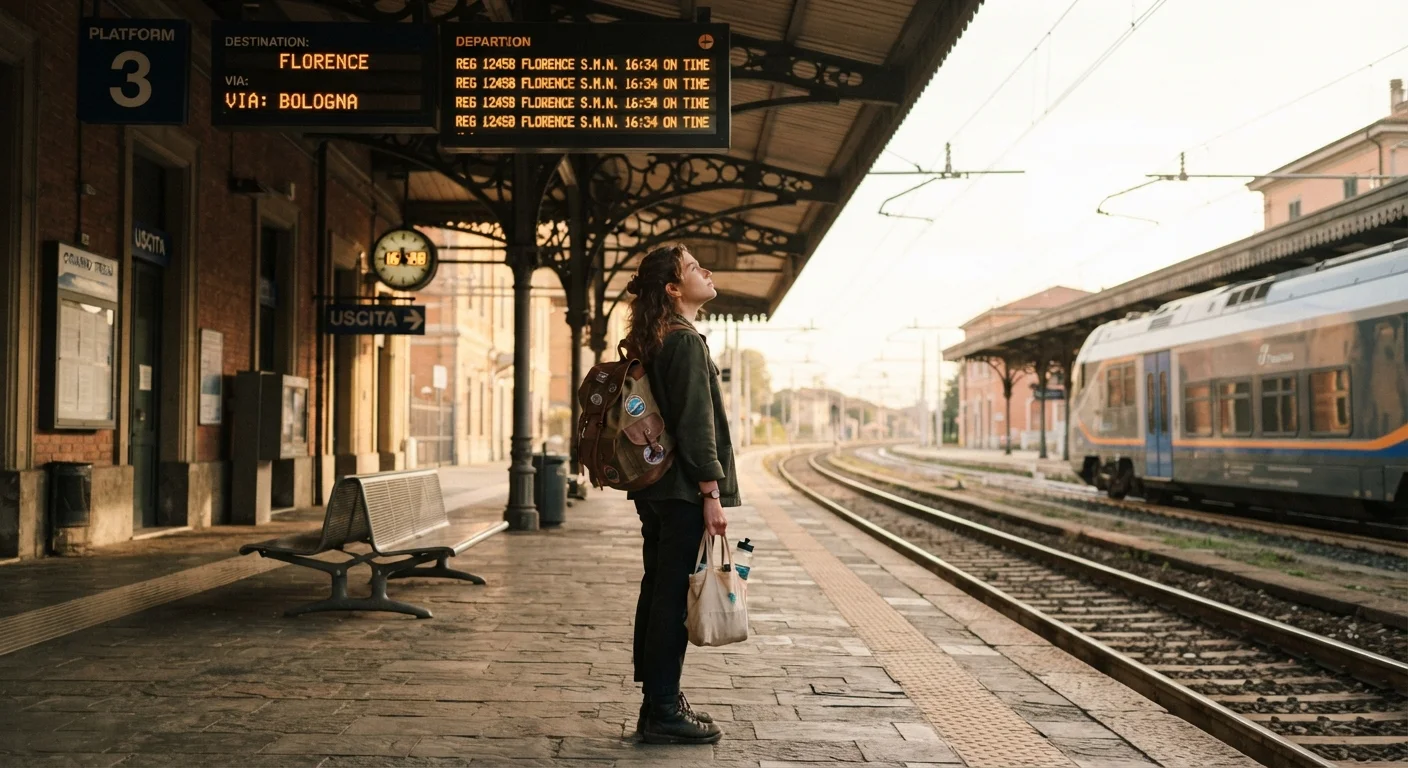
Photo: ScoutAnswers.com | Blogs That Ignite Curiosity editorial
Key Takeaways
- Start with a destination that has reliable infrastructure and a manageable language barrier.
- Thorough pre-trip planning reduces in-the-moment anxiety significantly.
- Safety on solo trips comes from habits and awareness, not from avoiding all risk.
- Confidence builds incrementally - each small decision you navigate alone reinforces the next.
- Share your itinerary with someone at home before you depart.
Why Solo Travel Feels Intimidating (And Why That's Normal)
The anxiety before a first solo trip is almost universal. You are removing the safety net of a companion - someone to share decisions, navigate unfamiliar transit, or simply sit next to at dinner. That is a real adjustment, not an irrational fear.
What helps is recognizing that much of the uncertainty is about the unknown, not actual danger. Most experienced solo travelers describe their first trip not as a flawless adventure, but as a series of small problems they solved on their own - and the cumulative effect of that is confidence.
The goal before you leave is not to eliminate nervousness. It is to reduce uncertainty enough that nervousness does not turn into paralysis.
Travel advisory
An official government warning or information notice about safety conditions in a specific country or region. US travelers should check advisories issued by the US State Department before booking international travel.
Travel insurance
A policy that can cover unexpected costs while traveling, such as trip cancellation, medical emergencies, or lost luggage. Coverage and exclusions vary by provider and policy.
Infrastructure
The systems that support everyday movement in a destination - public transit, road quality, healthcare access, and communications networks. Strong infrastructure generally makes independent travel easier.
Visa
An official authorization that allows a traveler to enter a specific country for a defined period and purpose. Requirements vary by destination and your citizenship.
Itinerary
A planned schedule of your travel activities, transportation, and accommodation. A loose itinerary gives you direction without locking you into every hour of the day.
Choosing a Destination That Matches Your Comfort Level
Your first solo trip does not have to be your most ambitious one. Choosing a destination with forgiving infrastructure - clear signage, reliable public transit, accessible healthcare, and a well-worn tourist trail - lets you focus on adjusting to traveling alone rather than solving logistical puzzles.
For many US travelers, domestic destinations or English-speaking countries abroad offer a lower-friction entry point. If you are drawn to international travel but unsure where to start, consider how factors like visa requirements, language, and general safety profile shape your experience. Our guide on choosing between Western Europe and Southeast Asia breaks this down in useful detail for first-time international travelers.
Also think about destination pacing. A compact city where most attractions are walkable or reachable by metro reduces the cognitive load of constant navigation - a meaningful advantage when you are managing everything alone.
Start Closer to Home If You're Unsure
Pre-Trip Planning Fundamentals
Structured planning is your most powerful anxiety-reducer. Understanding the core stages of trip planning - from initial research through day-of logistics - gives you a repeatable framework rather than a one-time checklist.
Before you book anything, address these fundamentals:
- Documents: Confirm passport validity (many countries require six months beyond your travel dates). Research visa requirements through official government sources - these change, and travel forums are not authoritative.
- Health requirements: Check whether any vaccinations or health documentation are required or recommended. Your healthcare provider is the right resource here, not travel blogs.
- Accommodation: Book at least your first two nights before arriving. Arriving somewhere unfamiliar without a confirmed place to sleep adds unnecessary stress.
- Connectivity: Know how you will access maps, translation, and communication. International SIM options and offline map downloads are worth researching before departure.
For a structured approach to this phase, see our pre-trip planning framework that covers timelines, documentation, and flexibility-building in one place.
Packing and Safety Basics for Solo Travelers
Solo travelers carry everything themselves, which makes overpacking a practical problem rather than just an inconvenience. A lighter bag means faster movement through transit, less fatigue, and lower risk of loss. As a general principle, pack what you need for three days and plan to do laundry - even on longer trips, most travelers end up using far less than they packed.
On the safety side, the fundamentals are straightforward. Store digital and physical copies of your passport, insurance policy, and emergency contacts in separate locations. Share your itinerary - including accommodation addresses - with someone at home before you depart. Check in with that person at agreed intervals.
For destination-specific safety habits, particularly for international travel, our guide on staying safe abroad without letting fear run your trip covers practical awareness strategies that go beyond generic advice.
Verify Entry Requirements Through Official Sources
Building Confidence Day by Day
Once you are on the ground, confidence comes from accumulation. Navigating a metro system once makes the second time easier. Ordering food in an unfamiliar context, asking for directions, adjusting when a plan falls through - each small act of self-reliance compounds.
Give yourself room for an imperfect itinerary. Rigid over-scheduling is one of the most common pitfalls for first-time solo travelers because there is no companion to absorb the friction when things shift. Our guide on building an itinerary that leaves room to breathe is a useful companion to this article for exactly that reason.
Finally, recognize that solo travel can surface emotions - loneliness, self-doubt, occasional overwhelm - that group travel diffuses more easily. That is not a sign you are doing it wrong. If you find those feelings harder to manage than expected, talking to someone you trust is always a reasonable step.
The single most useful thing you can bring on a solo trip is not gear or apps - it is the willingness to be a beginner, make small mistakes, and keep moving anyway.
Frequently Asked Questions
The content on this site is for informational purposes only and is not a substitute for professional advice. Always consult a qualified professional for guidance specific to your situation.