
Travel Insurance Explained: What It Covers and What It Doesn't

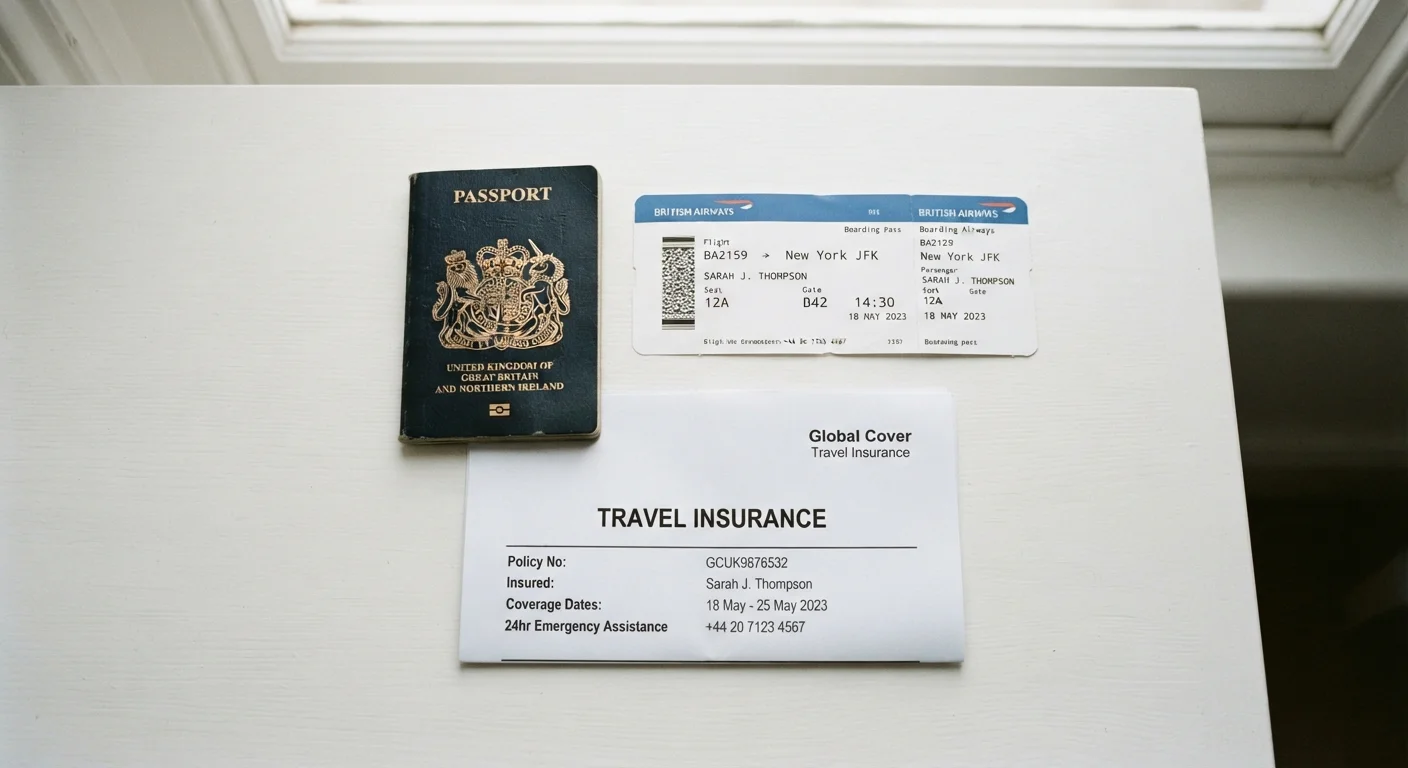
Photo: ScoutAnswers.com | Blogs That Ignite Curiosity editorial
Key Takeaways
- Travel insurance typically covers trip cancellation, medical emergencies, evacuation, and baggage loss - but each category has specific conditions.
- Pre-existing medical conditions, voluntary cancellations, and acts of war are among the most common exclusions.
- "Cancel for any reason" (CFAR) upgrades offer broader protection but come at a higher premium and rarely reimburse 100%.
- Your existing health plan, credit card benefits, or employer coverage may already duplicate some travel insurance protections.
- Always verify current entry requirements, health advisories, and policy details with official government and provider sources before traveling.
The Core Coverage Categories
Most travel insurance policies are built around four main benefit areas. Understanding each one helps you evaluate whether a policy actually addresses your risks - rather than assuming broad protection that may not exist.
Trip Cancellation and Interruption: This is the benefit most travelers think of first. It reimburses prepaid, non-refundable costs if you must cancel or cut short a trip due to a covered reason - typically illness, death of a family member, severe weather, or jury duty. The key phrase is covered reason; canceling because you changed your mind is not included in a standard policy.
Travel Medical Expense: Covers treatment costs if you become ill or injured abroad. This is particularly important for US travelers because most domestic health plans provide minimal or no international coverage. Benefit limits vary enormously between policies - from $25,000 to $500,000 or more - so match the limit to your destination's healthcare costs.
Emergency Medical Evacuation: Pays to transport you to an appropriate medical facility or back home if local care is insufficient. Evacuation from a remote or developing-world destination can cost tens of thousands of dollars out of pocket. This benefit is separate from medical expense coverage; both may apply in serious situations.
Baggage and Personal Effects: Reimburses for lost, stolen, or damaged luggage up to a stated limit. Most policies include per-item sub-limits and depreciate the value of older belongings. High-value electronics, jewelry, and cameras are often subject to strict caps or require separate riders.
~$400
Average cost of a comprehensive travel insurance policy
Industry estimates generally place comprehensive single-trip policy costs at roughly 4-8% of total trip cost; a $5,000 trip would fall in this range.
$50,000+
Typical cost of medical evacuation from a remote location
Medical evacuation costs vary significantly by origin country and destination; the US State Department notes costs can exceed $100,000 in some cases.
1 in 6
Travelers who experience a trip disruption
Estimates from the US Travel Insurance Association suggest a meaningful proportion of insured travelers file at least one claim during their policy period.
What Travel Insurance Typically Does Not Cover
Exclusions are where many travelers run into trouble. Policies are written to limit insurer exposure, and the list of what's excluded is often longer than what's included.
- Pre-existing medical conditions: Most standard policies will not pay claims tied to a health condition you had before purchasing. A pre-existing condition waiver - available if you buy within a short window after your initial trip deposit - can override this, but you must qualify.
- Voluntary or foreseeable cancellations: If a hurricane is already named and forecast to hit your destination before you purchase the policy, that storm is considered a known event and typically not covered.
- Risky activities: Adventure sports like skydiving, free climbing, scuba diving beyond certain depths, and some skiing activities are frequently excluded unless you add a specific rider.
- Acts of war and civil unrest: Terrorism-related disruptions vary by policy; active war zones are commonly excluded entirely.
- Epidemics and pandemics: Coverage here depends heavily on the specific policy wording and when it was purchased relative to a declared emergency.
- Alcohol and drug-related incidents: Claims arising from accidents or illness while intoxicated are routinely denied.
Skipping this step is one of the most common trip-planning missteps - see our guide on why trips go sideways before they start for more context.
Buy Within the Look-Back Window
Before You Buy: What to Check First
Many travelers overpay for coverage they already have - or buy a policy without checking whether it fills an actual gap.
Check your existing coverage: Some credit cards include trip cancellation and baggage delay benefits as a cardholder perk. Your employer health plan may offer limited international coverage. Review these sources before purchasing a standalone policy.
Match the policy to your trip type: A cruise has different risk exposures than a backpacking itinerary. For cruises and structured tours, trip cancellation and interruption coverage matters most. For independent travel in remote regions, medical evacuation limits deserve close attention. Our comparison of cruising vs. independent travel walks through how risk profiles differ.
Read the definitions section: Policy documents define terms like "family member," "covered reason," and "pre-existing condition" very specifically. The definitions section, not the marketing summary, determines what you're actually covered for. If unfamiliar terms appear in a policy, our glossary of essential travel terms can help.
Verify official entry requirements separately: Travel insurance does not substitute for visa requirements, vaccination documentation, or entry clearances. Always check requirements directly with the relevant embassy and the US Department of State before departure.
This article is for general informational purposes only and does not constitute personalized insurance, financial, or legal advice. Coverage terms, exclusions, and regulations vary by provider and state. Read your actual policy documents carefully and consult a licensed insurance agent or adviser for decisions specific to your situation.
Frequently Asked Questions
The content on this site is for informational purposes only and is not a substitute for professional advice. Always consult a qualified professional for guidance specific to your situation.