
Distracted Driving Goes Beyond Phones: The Full Picture

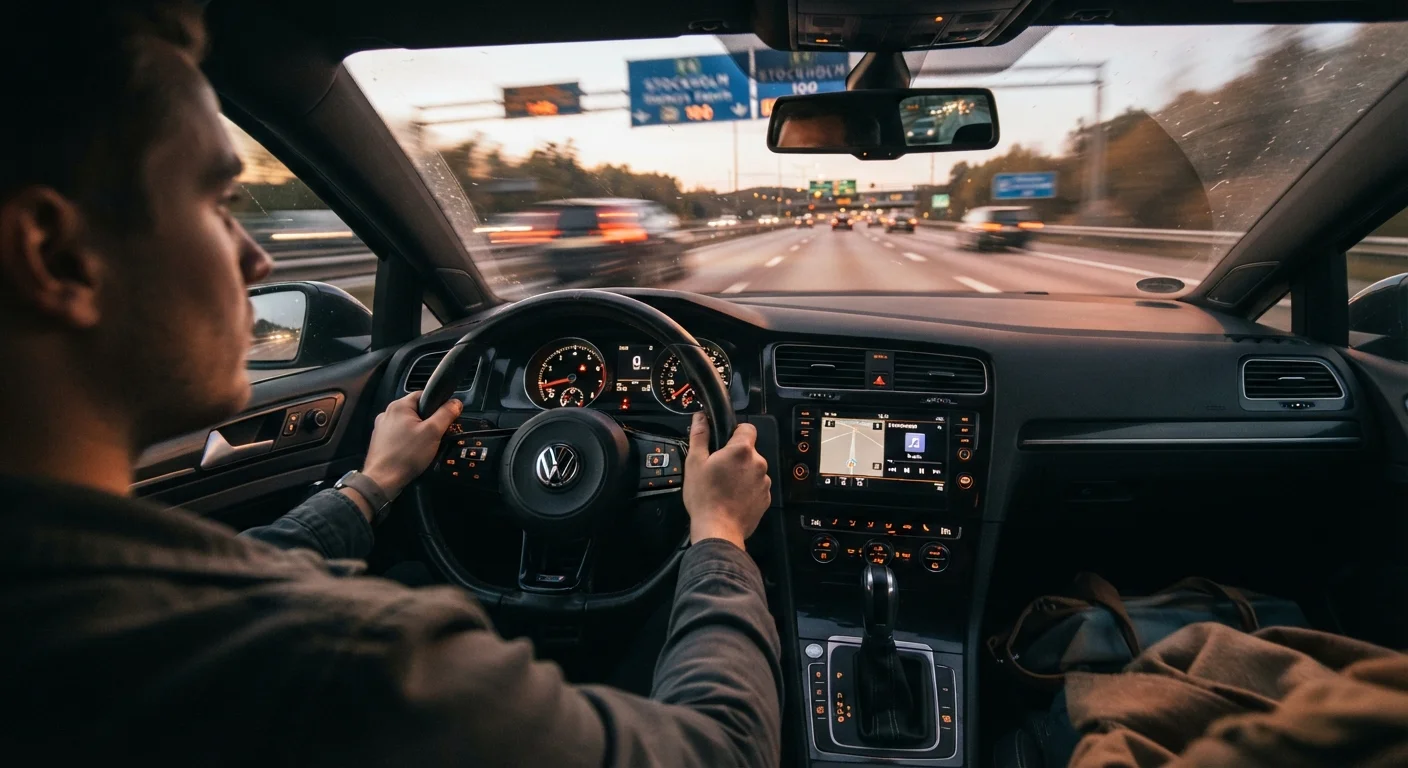
Photo: ScoutAnswers.com | Blogs That Ignite Curiosity editorial
Key Takeaways
- Phone use is only one of many dangerous distractions; eating, passengers, and daydreaming are equally hazardous.
- Distraction falls into three types: visual, manual, and cognitive - many activities trigger all three at once.
- Simple habit changes before and during trips can significantly reduce your distraction risk.
- In-vehicle technology, including navigation systems, can itself become a serious source of distraction.
- Cognitive distraction persists even after you've put down a phone or finished a conversation.
Why Distraction Is Harder to Define Than We Think
When distracted driving comes up, most conversations immediately go to smartphones. That focus is understandable - handheld phone use is visible, measurable, and heavily legislated across most U.S. states. But limiting the conversation to phones creates a false sense of security for drivers who consider themselves "responsible" simply because their phone is face-down on the seat.
Researchers and safety professionals categorize driving distraction into three types: visual (eyes off the road), manual (hands off the wheel), and cognitive (mind off the task of driving). The most dangerous activities engage all three simultaneously. Understanding this framework helps drivers identify risks they may not have previously recognized as distractions at all.
This is also closely tied to broader driving habits. Many of the same patterns that increase crash risk also wear down your vehicle over time, making awareness behind the wheel doubly valuable.
Cognitive Distraction Lingers After the Task Ends
Common Distractions You May Be Overlooking
Eating and Drinking While Driving
Grabbing a coffee or unwrapping a sandwich during a commute feels routine, but it engages both manual and cognitive distraction simultaneously. Spills demand an immediate visual and physical response - exactly when your full attention should be on traffic. Studies cited by the National Highway Traffic Safety Administration (NHTSA) have identified eating and drinking as a significant contributor to distraction-related near-crashes. The fix is simple: pull over, or eat before you leave.
A coffee spill can demand your full attention at the worst possible moment.
In-Vehicle Navigation and Infotainment Systems
Built-in touchscreens and voice-guided GPS were designed to reduce phone dependency, but they introduce their own risks. Entering an address while moving, scrolling through a menu to change a radio station, or glancing repeatedly at a map display all pull visual and cognitive attention from the road. Even voice commands require a brief cognitive shift. Setting navigation before departure - rather than en route - removes the majority of this risk.
Setting your GPS before you move eliminates one of the most underestimated in-car distractions.
Passenger Conversations
Talking with a passenger is a normal part of driving, but the cognitive load varies significantly depending on the conversation's intensity. Emotionally charged discussions, complex problem-solving, or any interaction that draws your mental focus away from driving can reduce hazard detection. Unlike a phone call, a physically present passenger can read traffic cues and naturally pause the conversation - but this doesn't eliminate the risk, particularly for newer drivers whose situational awareness is still developing.
Intense conversations, even with a passenger, can reduce your ability to detect hazards.
Daydreaming and Mind-Wandering
Cognitive distraction doesn't require a device or another person. Mind-wandering - sometimes called "highway hypnosis" on long, monotonous routes - is one of the most common and least-discussed forms of distraction. A driver can have both hands on the wheel and eyes forward while mentally rehearsing a conversation or running through a to-do list. Research indicates that mind-wandering accounts for a substantial share of inattention-related incidents. Awareness of this tendency is itself a meaningful defense against it.
Your mind can wander completely off driving even when your eyes appear to be on the road.
Grooming and Personal Care
Applying makeup, shaving, fixing hair, or adjusting clothing while driving combines all three distraction types into a single, prolonged activity. Mirrors are redirected from their safety function, at least one hand leaves the wheel, and attention shifts inward. Despite being widely known as dangerous, grooming distractions remain common - largely because many drivers underestimate how quickly traffic conditions can change during the seconds their focus shifts.
Redirecting your mirror for grooming removes a critical safety tool at the worst time.
Reaching for Objects Inside the Vehicle
Reaching for a dropped item, rummaging in a bag on the passenger seat, or stretching to hand something to a child in the back seat are brief in duration but acute in distraction level. They involve taking eyes completely off the road, removing a hand from the wheel, and often twisting the body - all while the vehicle continues moving at speed. Securing loose items before departure and using a bag hook or organizer reduces the temptation to reach while moving.
Reaching for a dropped item takes your eyes, hands, and focus off driving all at once.
Set Everything Up Before You Move
Building Habits That Keep Your Attention on the Road
The key to reducing distraction is not willpower in the moment - it's preparation before the trip begins. Setting your navigation route, selecting music, adjusting mirrors, and securing loose items in the cabin takes only a few minutes and removes the need to multitask while moving. These pre-drive routines pay dividends on every journey.
Intersections deserve particular attention, since distraction combined with complex traffic geometry creates outsized crash risk. Our guide on navigating intersections safely covers the situational awareness habits that matter most at these high-risk points.
It's also worth noting that distraction and fatigue often compound each other. A tired driver is more prone to mind-wandering - a cognitive distraction - and less capable of catching their own lapses. If you're curious how fatigue independently impairs driving, see our companion piece on the hidden dangers of drowsy driving. Treating both risks seriously, separately and together, is a cornerstone of safer road behavior.
This article is for general informational purposes. Always follow your state's traffic laws and consult official road safety resources for guidance specific to your situation.
The content on this site is for informational purposes only and is not a substitute for professional advice. Always consult a qualified professional for guidance specific to your situation.