
Sinking Funds Explained: The Budgeting Tool That Stops Irregular Bills from Derailing You

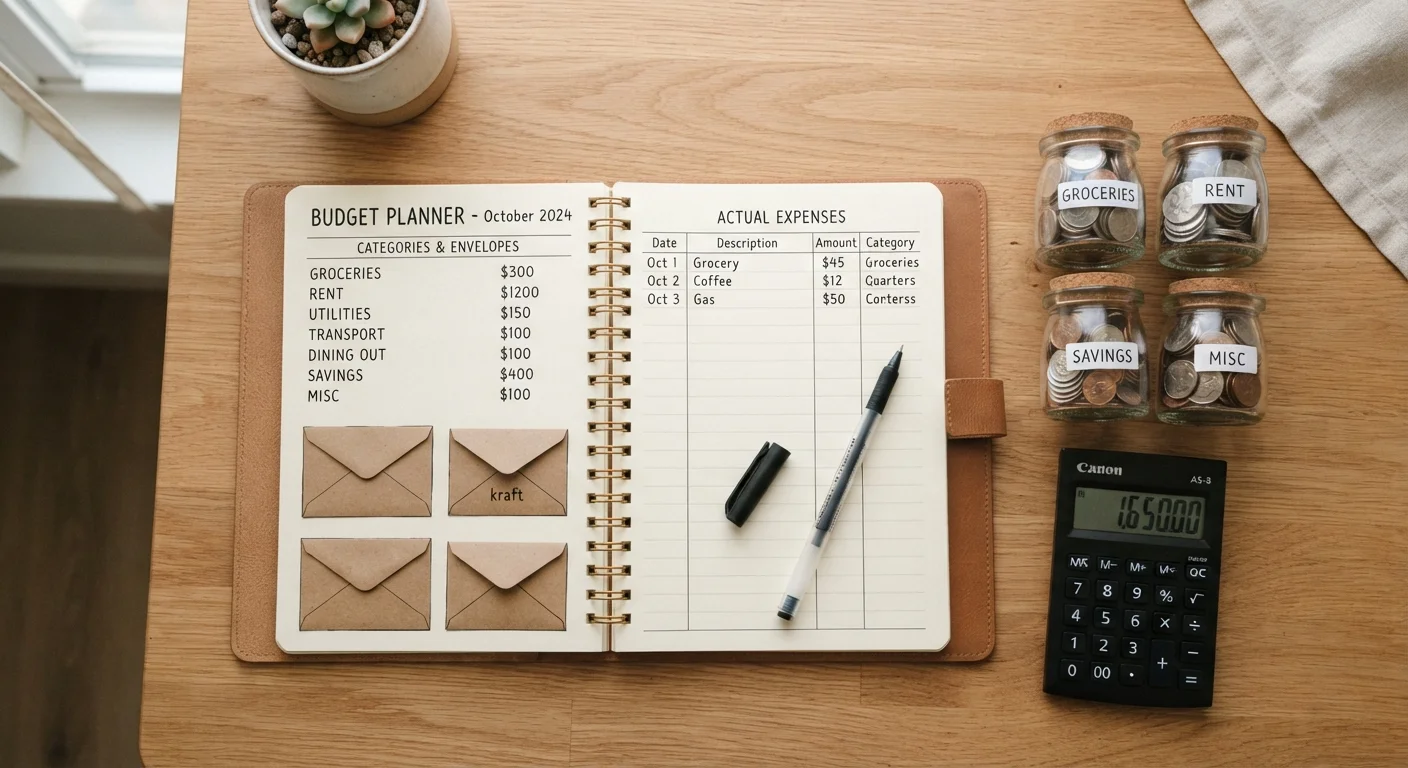
Photo: ScoutAnswers.com | Blogs That Ignite Curiosity editorial
Key Takeaways
- Sinking funds are for predictable irregular expenses, not emergencies or day-to-day spending.
- You calculate the monthly contribution by dividing the total expected cost by the months until it's due.
- Each sinking fund works best as a separate, labeled savings category or sub-account.
- Unlike an emergency fund, a sinking fund is depleted intentionally when the planned expense arrives.
- Common sinking fund categories include car maintenance, travel, annual subscriptions, and holiday gifts.
- Building sinking funds into your monthly budget prevents irregular bills from creating debt.
The Problem Sinking Funds Solve
Most budgets are built around monthly expenses - rent, utilities, groceries, subscriptions. The math feels manageable until an irregular bill arrives: a $900 car registration, $600 in holiday gifts, or a $400 annual insurance premium. These costs are not surprises in the truest sense - you knew they were coming - but because they don't fit the monthly rhythm, they land like emergencies.
The result is a familiar pattern: the bill hits, the checking account empties, a credit card gets used, and the sense of budgetary control evaporates. As explained in why most budgets fall apart by week two, failing to account for irregular costs is one of the most common structural flaws in a household spending plan.
Sinking funds fix this by converting those lump-sum costs into small, predictable monthly contributions. The expense doesn't go away - you just stop being caught off guard by it.
How to Build and Calculate a Sinking Fund
Setting up a sinking fund requires three pieces of information: the total amount needed, the date you'll need it, and the number of months between now and that date.
The formula is straightforward:
- Target amount ÷ Months remaining = Monthly contribution
For example, if you expect to spend $480 on holiday gifts in December and it's currently June, that's six months away. Dividing $480 by 6 gives you an $80 monthly contribution. Add that line to your budget, treat it like any other fixed expense, and the money is ready when December arrives.
~$1,000
Typical unexpected expense that strains household budgets
Federal Reserve surveys on economic well-being have repeatedly found that a significant share of American adults would struggle to cover an unplanned $1,000 expense without borrowing.
4-8
Sinking fund categories typical for an organized household
Personal finance educators commonly suggest starting with a small number of high-impact categories and expanding as the habit becomes routine.
12x
Annual bills broken into monthly contributions
Dividing any annual expense by 12 converts a potential budget disruption into a predictable, manageable line item that functions like any other monthly fixed cost.
Apply this calculation to each sinking fund category you identify. Common starting points include vehicle registration and maintenance, travel, home repairs, annual software or streaming subscriptions, medical out-of-pocket costs, and back-to-school expenses. To understand how these fit alongside your other budget categories, the anatomy of a monthly budget is a useful reference.
Where to Keep Your Sinking Funds
The simplest approach is to keep sinking fund money in a savings account that is separate from your everyday checking account. This physical separation reduces the temptation to spend the money on unrelated purchases before the target expense arrives.
Automate Your Contributions on Payday
Some banks and credit unions allow you to create multiple savings sub-accounts or "buckets" within a single login - a convenient feature for managing several sinking funds without opening multiple accounts. Others prefer tracking categories in a spreadsheet linked to one savings balance. Either method works; consistency matters more than the system.
What sinking funds should not be is mixed into your emergency fund. These serve different purposes. An emergency fund is untouched until the unexpected happens. A sinking fund is designed to be fully spent when the planned event arrives - then rebuilt for the next cycle. For a full breakdown of how emergency funds work alongside other savings strategies, see our emergency fund explainer.
Making Sinking Funds a Permanent Part of Your Budget
Sinking funds are most effective when they're embedded in your monthly budget as non-negotiable line items, not funded with leftover money at the end of the month. If you're building your first structured spending plan, the guide to building your first monthly budget shows how to make this concrete from the start.
Over time, your sinking fund list will evolve. As you notice which expenses consistently derail your budget, you add a fund. As circumstances change - a car paid off, a lease not renewed - you redirect that contribution elsewhere. This adaptability is part of what makes sinking funds a durable strategy. For guidance on keeping a budget functional through income changes and life events, see principles that make a budget sustainable.
This article provides general financial information and education. It is not personalized financial advice. Readers should consult a qualified financial professional for guidance specific to their own circumstances.
Frequently Asked Questions
The content on this site is for informational purposes only and is not a substitute for professional advice. Always consult a qualified professional for guidance specific to your situation.