
Credit Scores Decoded: What the Number Actually Measures

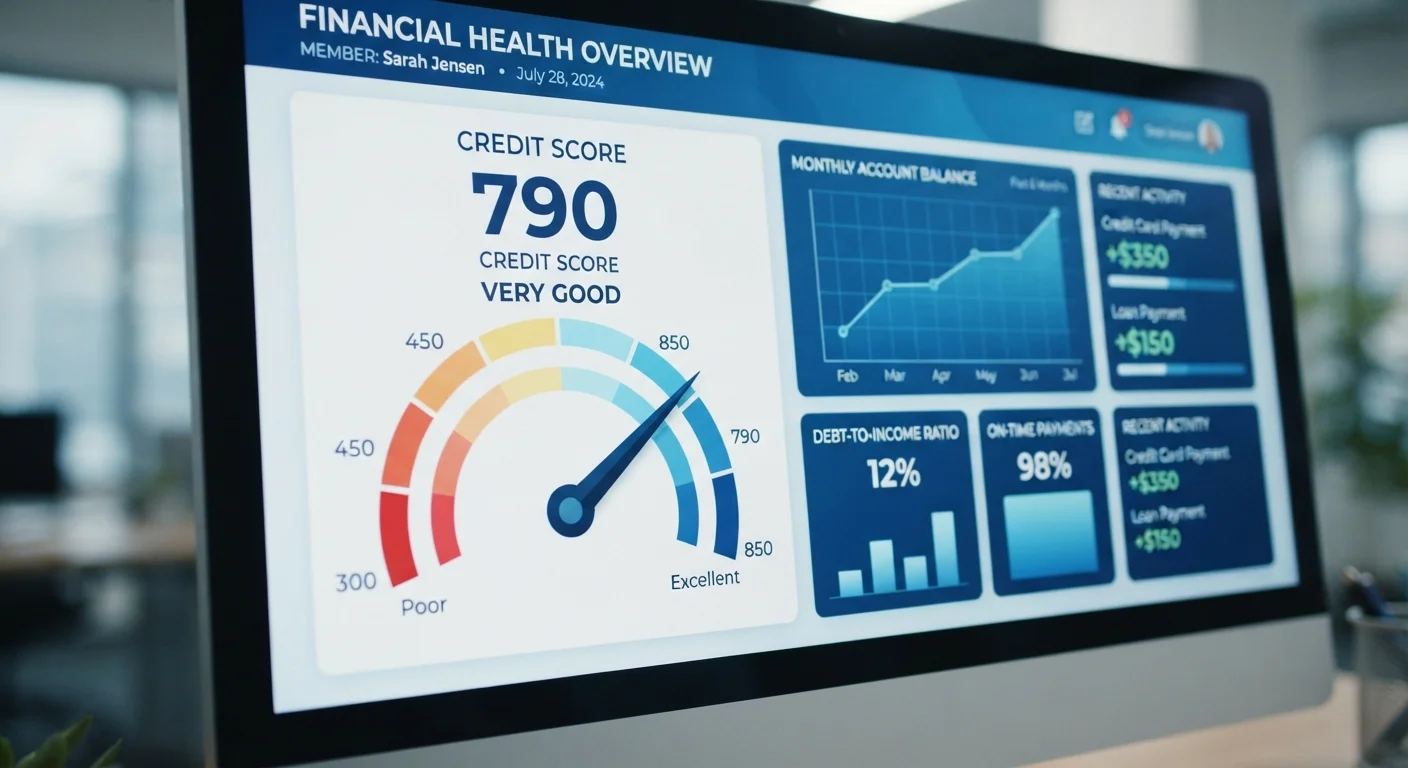
Photo: ScoutAnswers.com | Blogs That Ignite Curiosity editorial
Key Takeaways
- Payment history is the single largest factor in your credit score, accounting for roughly 35% of your FICO® Score.
- Credit utilization - how much of your available credit you use - makes up about 30% of your score.
- A longer credit history, diverse credit types, and limited new inquiries all contribute to a stronger score.
- Lenders use credit scores to set loan eligibility, interest rates, and credit limits.
- Your score is calculated from data in your credit report, so errors on that report can hurt your score.
The Five Factors That Build Your Score
Your credit score isn't arbitrary - it's a formula applied to real data from your credit report. The FICO® model, the most widely used in the U.S., breaks that formula into five weighted categories.
- Payment history (35%): Whether you pay bills on time. A single missed payment can cause a meaningful drop, especially if your history is otherwise clean.
- Credit utilization (30%): The ratio of your current balances to your total credit limits. Keeping this below 30% is widely recommended; lower is generally better.
- Length of credit history (15%): How long your accounts have been open, including the age of your oldest account, newest account, and the average age of all accounts.
- Credit mix (10%): The variety of account types you manage - credit cards, installment loans, mortgages - signals you can handle different forms of credit responsibly.
- New credit (10%): Recent applications for credit, each of which triggers a hard inquiry. Multiple applications in a short window can signal financial stress to lenders.
For a deeper look at the underlying data that feeds these calculations, see our field guide to reading your credit report.
67%
Americans with a 'good' or better credit score
According to Experian's annual State of Credit report, the majority of U.S. consumers fall in the 'good' to 'exceptional' FICO® Score ranges (670-850).
35%
Weight of payment history in FICO® Score
Payment history is the single most influential factor in the FICO® scoring model, according to myFICO.com's published score factor breakdown.
~5 pts
Average score impact of a single hard inquiry
FICO® estimates that a new hard inquiry typically lowers a score by fewer than five points for most people, and the effect generally fades within 12 months.
What Lenders Actually Do With Your Score
When you apply for a loan, credit card, or even an apartment, a lender or landlord typically pulls your credit score alongside your full credit report. The score serves as a fast filter: it reduces the complexity of your entire credit history to a single comparable number.
Lenders use score ranges - sometimes called credit tiers - to set interest rates and loan terms. Borrowers with higher scores generally qualify for lower interest rates, which can translate to thousands of dollars in savings over the life of a mortgage or auto loan. Those with lower scores may face higher rates, lower credit limits, or outright denial.
It's worth understanding that each lender sets its own thresholds and may use specialized scoring models tailored to the type of credit being extended. An auto lender may use a different model than a mortgage lender. To understand how this plays out in one of the highest-stakes borrowing decisions you'll make, see how your credit score shapes the mortgage you qualify for.
“Credit scores are a shorthand for trust. They don't capture your whole financial story, but they do reflect the behaviors lenders care most about: whether you pay what you owe, and how much of your available credit you actually use.”
— Consumer Financial Protection Bureau, U.S. federal agency overseeing consumer financial products and services
Common Misconceptions About Credit Scores
Several widely held beliefs about credit scores are either incomplete or simply wrong. Getting the facts straight matters, because acting on misinformation can lead to decisions that inadvertently damage your score.
Check Your Credit Report First
Myth: Carrying a small balance helps your score. In reality, you don't need to carry a balance to build credit. Paying your statement balance in full each month avoids interest charges and can keep your utilization low.
Myth: Closing old accounts improves your score. Closing an account reduces your total available credit, which can raise your utilization ratio and shorten your average account age - both potentially harmful to your score.
Myth: Income affects your credit score. Your income is not reported to credit bureaus and has no direct effect on your score. Lenders may consider income separately when evaluating your ability to repay, but it doesn't factor into the score itself.
For a comprehensive overview of how credit works from start to finish, our complete guide to consumer credit covers everything from your first account to long-term credit health.
This article is for general informational and educational purposes only and does not constitute personalized financial advice. Consult a licensed financial professional for guidance specific to your situation.
Frequently Asked Questions
The content on this site is for informational purposes only and is not a substitute for professional advice. Always consult a qualified professional for guidance specific to your situation.