
Paying Off Debt While Saving at the Same Time

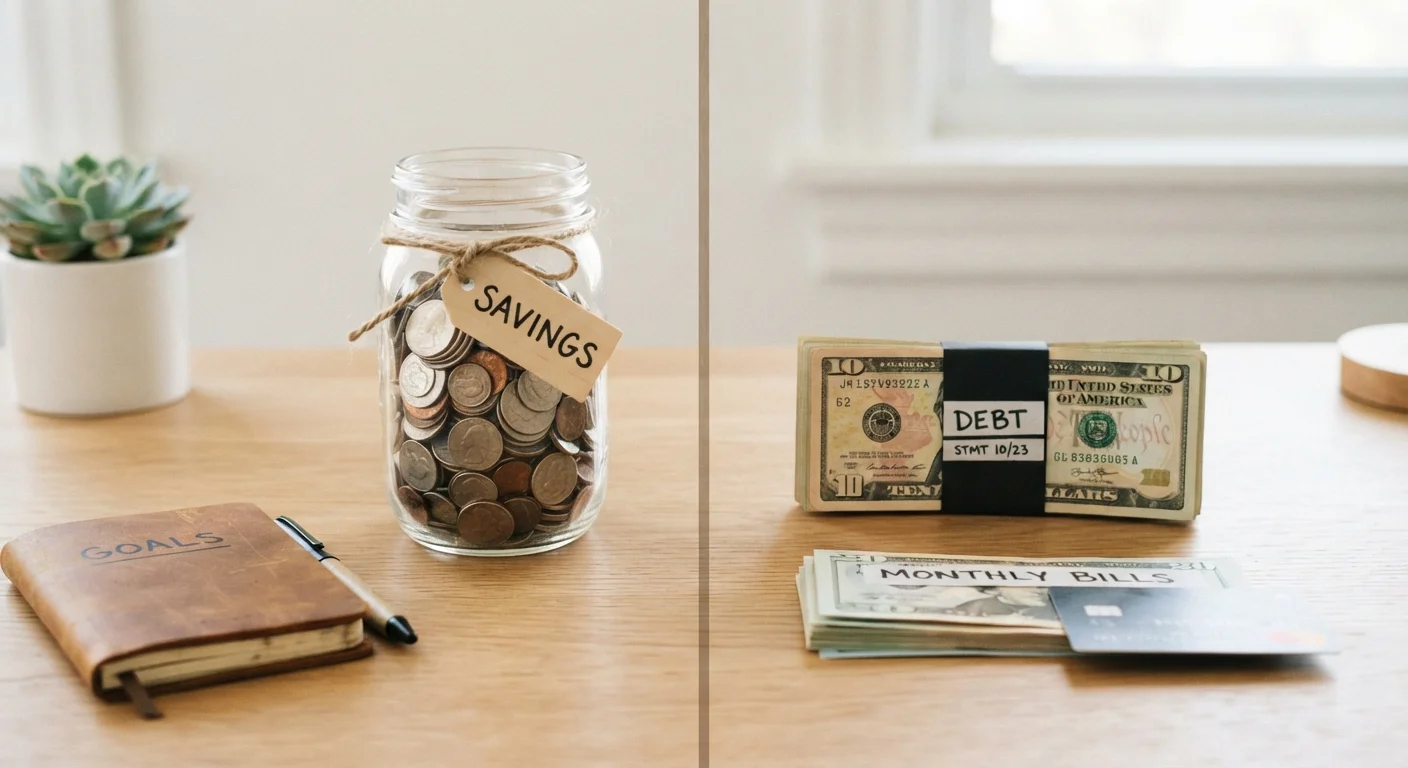
Photo: ScoutAnswers.com | Blogs That Ignite Curiosity editorial
Key Takeaways
- Building even a small emergency fund while paying debt reduces the risk of taking on new debt.
- High-interest debt generally costs more over time than low-interest debt and may warrant prioritization.
- Automating small contributions to savings and debt payments helps maintain consistency.
- Your specific debt interest rates should guide how you split extra dollars each month.
- A written budget is the foundation of any successful dual savings-and-debt strategy.
Why Doing Both at Once Makes Sense
The intuition to pay off all debt before saving anything is understandable - debt costs money in interest, so eliminating it seems like the obvious priority. The problem is that life doesn't pause while you pay down debt. Without any savings cushion, an unexpected expense forces many people to borrow again, often on high-interest credit, which erases months of payoff progress in a single transaction.
Carrying some debt while simultaneously holding savings is not a contradiction - it's a practical risk management decision. The goal is to keep debt from growing while preventing financial shocks from sending you backward. If you're new to thinking about this balance, our starter's roadmap for financial beginners provides useful background context.
This Is General Information, Not Personalized Advice
What You'll Need Before You Start
Having the right information and tools in front of you makes the process significantly more straightforward. Gather everything listed below before working through the steps.
What you will need
Debt and budget spreadsheet
Tracks all debt balances, interest rates, minimum payments, and your monthly budget in one place.
Separate savings account
Keeps emergency fund money physically separate from your checking account to reduce the temptation to spend it.
Automatic transfer feature (via your bank)
Schedules recurring transfers to savings so you save consistently without relying on willpower each month.
Nonprofit credit counseling service
Provides free or low-cost professional guidance on managing debt repayment strategies.
How to Pay Off Debt While Saving Simultaneously
The following steps walk through a practical framework for managing both goals at once. Work through them in order - each builds on the previous one.
List every debt you carry
Write down every debt account - credit cards, student loans, auto loans, personal loans, and any other obligations. For each one, record the current balance, the interest rate (APR), and the required minimum monthly payment. This full inventory is the only way to make informed decisions about where your money should go.
Build a bare-bones monthly budget
Calculate your total monthly take-home income, then subtract all fixed essential expenses - rent or mortgage, utilities, groceries, insurance, and minimum debt payments. The amount left over is your discretionary surplus. This number tells you how much you realistically have available to split between savings and extra debt payments each month.
Set a starter emergency fund target
Financial educators commonly suggest working toward one month of essential expenses as an initial emergency fund milestone before aggressively attacking debt. Having even a small cash buffer means an unexpected car repair or medical bill is less likely to force you to put new charges on a credit card - undoing your payoff progress. Once your starter fund is in place, you can shift more of your surplus toward debt.
Decide how to split your monthly surplus
Once minimums and essential expenses are covered, you need a deliberate split rule for your surplus. A common approach many people find workable is directing the majority of surplus dollars toward high-interest debt while putting a smaller, fixed amount into savings each month. The right split depends on your interest rates and how exposed you feel to financial emergencies. If your debt carries very high interest rates - such as those commonly associated with credit card balances - accelerating payoff tends to save more money over time than building savings beyond a basic buffer.
For a deeper look at two structured payoff approaches, see our comparison of the debt avalanche and debt snowball methods.
Automate both savings and extra debt payments
Set up automatic transfers to your savings account on the same day your paycheck arrives. Separately, schedule any extra debt payment above the minimum as a recurring transfer. Automation removes the monthly decision and the temptation to reallocate money that was meant for savings or debt. Even modest automated amounts compound meaningfully over time.
Review and adjust every 90 days
Your income, expenses, and debt balances will change. Set a calendar reminder to review your budget and debt list every three months. When a debt is paid off, redirect its minimum payment toward the next highest-priority debt or to building savings further. This rolling adjustment keeps your plan efficient as your situation evolves.
Don't Skip Your Minimum Payments
Common Trade-Offs and Considerations
There is no single split between savings and debt repayment that works for every household. The right balance depends on your specific interest rates, job stability, family obligations, and tolerance for financial stress. Someone carrying high-interest credit card debt is in a different position than someone with a low-rate student loan or auto loan.
If you're carrying multiple types of debt and feeling overwhelmed, debt consolidation is one option some people explore - though it comes with its own trade-offs. Our overview of debt consolidation explains how the concept works and what to consider before pursuing it.
Consider a High-Yield Savings Account for Your Emergency Fund
Once your debt is paid off, the habits you build now - budgeting, automating, reviewing regularly - are the same ones that keep you out of debt long-term. See our article on staying out of debt after you've paid it off for what comes next.
This article is for general informational and educational purposes only and does not constitute personalized financial, investment, or legal advice. Consult a licensed financial professional before making decisions specific to your situation.
The content on this site is for informational purposes only and is not a substitute for professional advice. Always consult a qualified professional for guidance specific to your situation.