
Savings and Debt: A Starter's Roadmap for Financial Beginners

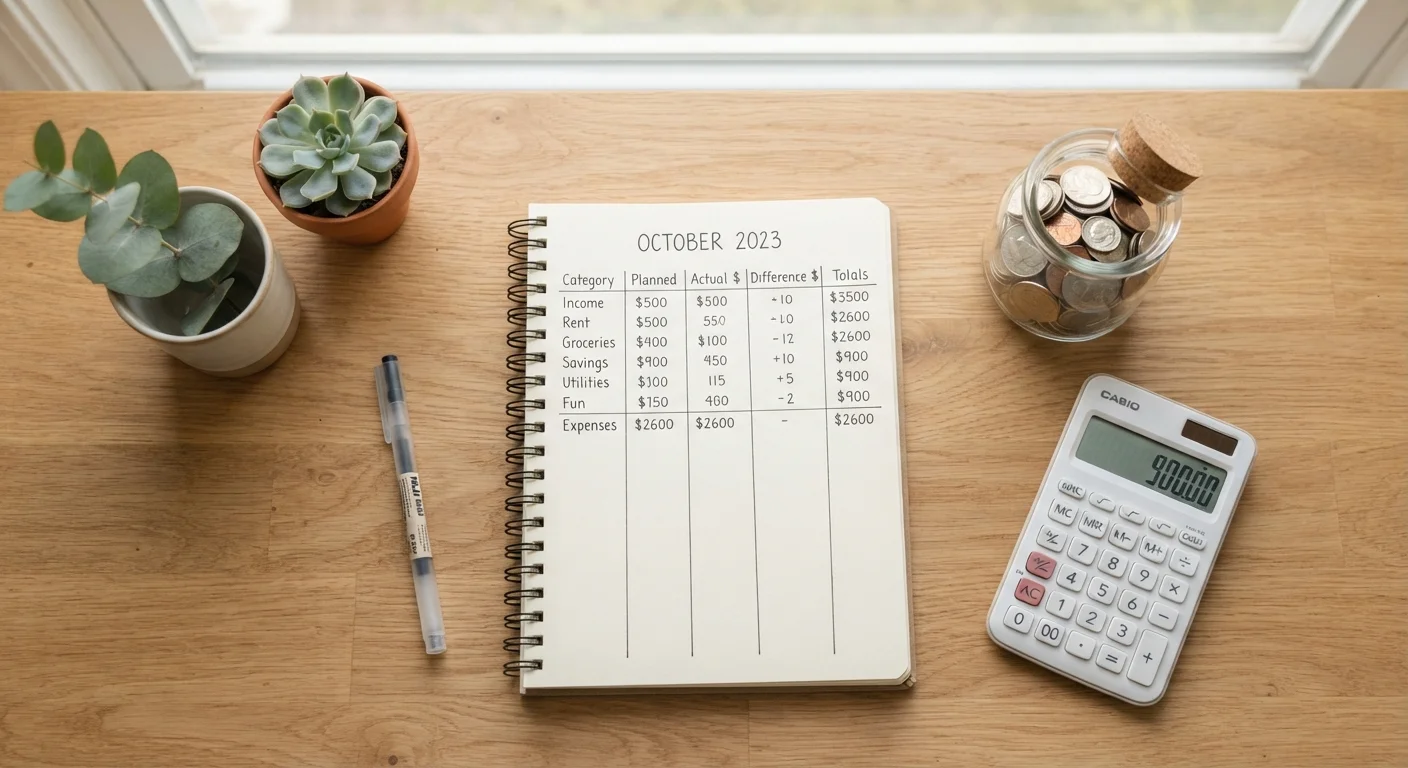
Photo: ScoutAnswers.com | Blogs That Ignite Curiosity editorial
Key Takeaways
- An emergency fund is your first financial safety net - even a small one changes your risk exposure.
- Not all debt is equal; interest rates and loan type determine how urgently each balance needs attention.
- You can save and pay down debt at the same time with a structured approach.
- Automating transfers and minimum payments reduces the reliance on willpower.
- A written or digital budget is the foundation every other financial habit builds on.
Why Savings and Debt Both Deserve Your Attention
For many Americans just starting to get serious about their finances, the question feels like a fork in the road: Should I save money, or should I pay off what I owe? The honest answer is that both matter, and treating them as separate problems is part of what makes personal finance feel so overwhelming at the start.
Savings provide a cushion that keeps small setbacks from becoming large financial crises. Debt, left unmanaged, compounds - meaning the amount you owe can grow on its own over time through interest charges. Understanding how these two forces interact is the starting point for any practical financial plan. Before diving in, it helps to get comfortable with the vocabulary. Our reference on key financial terms for beginners covers essentials like APR, compound interest, and principal in plain language.
Emergency fund
A dedicated pool of savings set aside only for unexpected expenses or income loss. It acts as a financial buffer so you don't have to take on new debt when something goes wrong.
APR
Annual Percentage Rate - the yearly cost of borrowing money, including interest and certain fees, expressed as a percentage. The higher the APR, the faster a debt balance grows if not paid down.
Compound interest
Interest calculated not just on your original balance, but also on any interest that has already accumulated. It can work in your favor in savings accounts or against you when carrying debt.
Principal
The original amount borrowed or deposited, before any interest is added. Loan payments typically cover both principal reduction and interest charges.
Minimum payment
The smallest amount a lender requires you to pay each billing cycle to keep your account in good standing. Paying only the minimum on high-interest debt usually means you pay much more over time.
Liquidity
How quickly and easily an asset can be converted to cash without losing value. Cash and savings accounts are highly liquid; real estate and retirement accounts are not.
Building an Emergency Fund First
An emergency fund is money set aside specifically for unplanned expenses - a car repair, a medical bill, or a gap in income. Without one, even a modest financial shock can push someone toward high-cost borrowing like credit cards or payday loans.
Most financial guidance suggests targeting three to six months of essential expenses, but that number can feel paralyzing when you're starting from zero. A more practical first milestone is $500 to $1,000. That smaller target is achievable for most budgets with consistent effort and covers a wide range of everyday emergencies.
Keep your emergency fund in an account that's accessible but not your daily spending account. This separation reduces the temptation to spend it on non-emergencies. If you're deciding where to keep these funds, our guide on choosing between checking and savings accounts explains the practical differences.
Start Small, Stay Consistent
Understanding the Debt You Carry
Debt is not a monolith. A federal student loan at a fixed low interest rate behaves very differently from a credit card balance at 24% APR. Before you can create a repayment plan, you need a clear picture of what you owe, to whom, and at what cost.
List every debt you carry with three pieces of information: the outstanding balance, the interest rate (APR), and the minimum monthly payment. This exercise alone often shifts how people think about their priorities. High-interest debt - typically credit cards - costs you the most to carry and generally warrants the most urgency.
Two structured approaches - the debt avalanche (highest interest first) and the debt snowball (smallest balance first) - each have real merit depending on your psychology and financial situation. Our article on how the avalanche and snowball methods work breaks both down side by side.
Minimum Payments Aren't a Payoff Strategy
Balancing Saving and Debt Repayment
Once you have a starter emergency fund and a clear debt inventory, you can begin allocating your surplus income - the money left after essential expenses and minimum debt payments - more intentionally.
A common framework is to continue building savings toward your full emergency fund target while making more than the minimum payment on your highest-priority debt. The exact split depends on your interest rates, income stability, and how close you are to your savings goal. There is no universally correct ratio, but the key is that both goals receive consistent attention rather than one being ignored entirely.
For a deeper look at how people navigate this trade-off in practice, see our guide on paying off debt while saving at the same time. And if you haven't yet built a working monthly budget, that's the essential first step - our first monthly budget guide starts from a blank page.
Simple Habits That Keep You on Track
Consistency matters more than perfection in personal finance. A few well-chosen habits can do most of the heavy lifting without requiring constant willpower or financial expertise.
- Automate your savings transfer. Set up an automatic transfer to your savings account on payday so the money moves before you can spend it. Explore savings automation strategies that work even on a tight budget.
- Pay at least the minimum on every debt, every month. Late or missed payments trigger penalty fees and can damage your credit score, making future borrowing more expensive.
- Review your budget monthly. Income and expenses shift over time - your budget should reflect your current reality, not last year's assumptions.
- Build credit thoughtfully. If you're new to credit, understand what you're taking on before opening a card. Our guide on using your first credit card responsibly is a useful starting point.
Managing savings and debt is a long-term process. The goal at this stage is not to solve everything at once, but to build habits sturdy enough to carry you forward. If you have questions about your specific financial situation, consider consulting a licensed financial adviser who can provide guidance tailored to your circumstances.
This article is for general informational and educational purposes only. It does not constitute personalized financial, tax, investment, or legal advice. Consult a qualified financial professional before making decisions about your own financial situation.
Frequently Asked Questions
The content on this site is for informational purposes only and is not a substitute for professional advice. Always consult a qualified professional for guidance specific to your situation.