
Your First Credit Card: Building a Foundation Without the Debt Trap

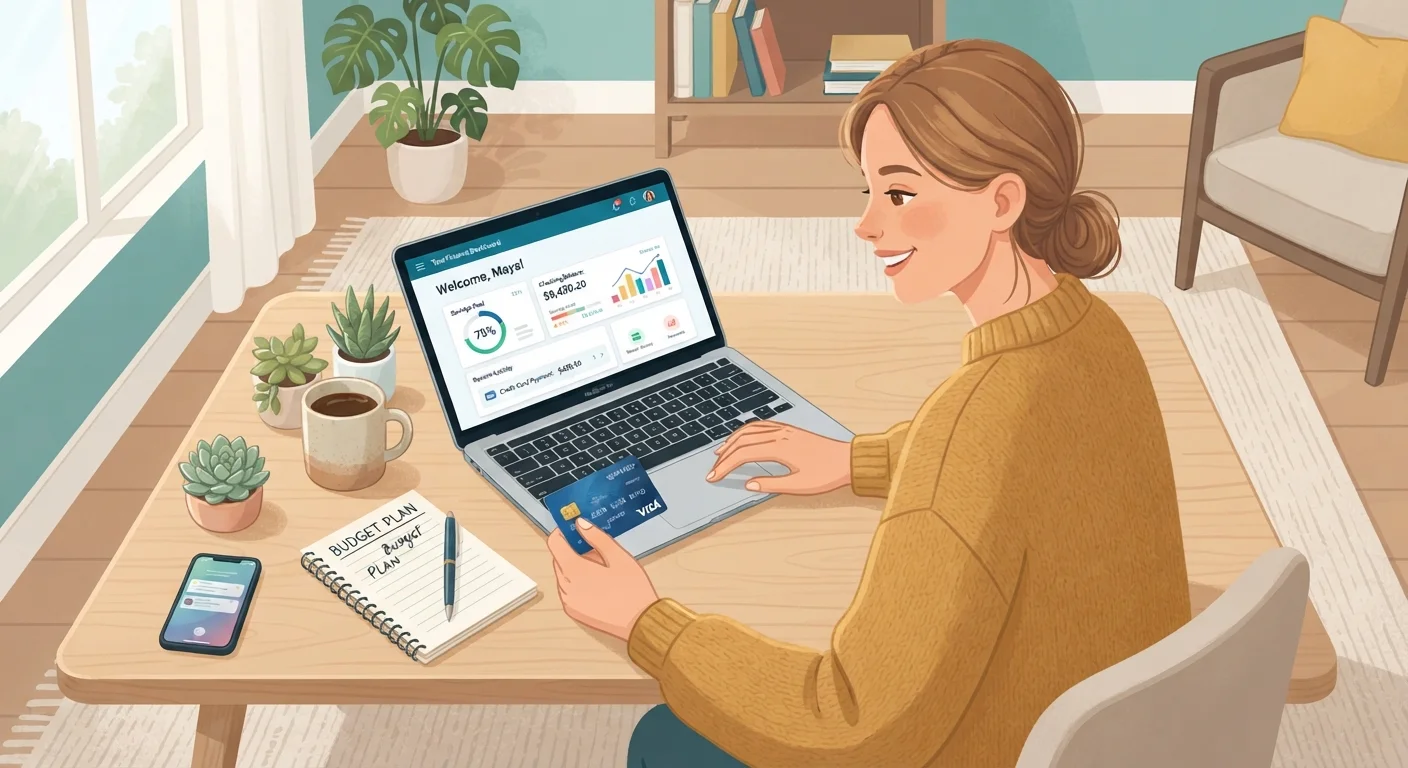
Photo: ScoutAnswers.com | Blogs That Ignite Curiosity editorial
Key Takeaways
- A credit card is a short-term loan you repay monthly - not free money.
- Paying your full balance by the due date avoids interest charges entirely.
- Keeping your credit utilization below 30% helps protect your credit score.
- On-time payments are the single biggest factor in building good credit.
- Starting with a low limit and one card makes the learning curve manageable.
What a Credit Card Actually Is
A credit card gives you access to a revolving line of credit - essentially a short-term loan from the card issuer. Each time you make a purchase, you're borrowing that amount with the expectation that you'll repay it, typically within a monthly billing cycle.
Unlike a debit card, which draws directly from your bank balance, a credit card creates a debt obligation. If you repay the full amount each month before the due date, you generally owe no interest. If you carry a balance - that is, pay less than the full amount owed - the issuer charges interest on what remains.
Before diving deeper, it helps to understand the credit system itself. See our comprehensive guide to how consumer credit works for context on everything from credit scores to statements.
Credit limit
The maximum dollar amount your card issuer allows you to borrow at any time. Spending up to or beyond this amount can trigger fees and may affect your credit score.
Credit utilization
The percentage of your available credit that you're currently using. For example, a $300 balance on a $1,000 limit equals 30% utilization.
Statement balance
The total amount you owe on your credit card at the end of a billing cycle, as shown on your monthly statement.
Minimum payment
The smallest amount you must pay each month to avoid a late fee. Paying only this amount while carrying a balance results in interest charges on the remainder.
APR (Annual Percentage Rate)
The yearly interest rate charged on any balance you carry from month to month. A higher APR means interest accumulates faster on unpaid balances.
Hard inquiry
A check of your credit report that occurs when you apply for new credit. Multiple hard inquiries in a short period can temporarily lower your credit score.
How Your Credit Limit Works
Your credit limit is the maximum amount you're allowed to borrow at any given time. For a first card, that limit is often relatively low - which is actually useful. A lower limit makes it easier to stay in control while you learn.
One concept tied directly to your limit is credit utilization - the percentage of available credit you're currently using. If your limit is $1,000 and your balance is $400, your utilization is 40%. Credit scoring models generally treat lower utilization more favorably, with many financial educators commonly citing staying under 30% as a reasonable guideline. This is a general rule of thumb, not a guarantee of any specific outcome.
Spending close to or at your limit - even if you pay it off - can signal financial strain to lenders and may affect your score. Using your card for smaller, predictable purchases and keeping the balance low relative to your limit is a more manageable approach for beginners.
The Payment Cycle: Due Dates, Minimums, and Full Balances
Each month you'll receive a statement summarizing your activity. It will show your statement balance (what you owe for that cycle), a minimum payment due, and a due date.
The minimum payment is the smallest amount you can pay without triggering a late fee - but it is not a target. Paying only the minimum means the remaining balance accrues interest, often at rates that can make a manageable balance grow significantly over time. For a closer look at this dynamic, see why minimum payments keep you in debt longer than you think.
The most effective strategy for new cardholders is straightforward: pay your full statement balance by the due date every month. This eliminates interest charges entirely and builds a strong payment history - the most influential factor in most credit scoring models.
Autopay Is Your Safety Net
Building Credit Without Falling Into Debt
A credit card is one of the most accessible tools for establishing a credit history in the U.S. - but only when used deliberately. Your payment history, length of credit history, and utilization rate all influence your credit profile over time.
The most straightforward approach is to use the card for one or two regular, budgeted expenses - such as a monthly subscription or a grocery run - then pay the balance in full. This keeps you within a predictable spending pattern and ensures you're never charging more than you can repay.
If you're also working on saving money or paying down other debt simultaneously, the same principles apply. Our starter's roadmap for savings and debt can help you see how credit cards fit into the broader financial picture.
This article is for general informational and educational purposes only and does not constitute personalized financial advice. Consult a licensed financial professional for guidance specific to your situation.
Smart Habits to Start From Day One
The habits you build early with a credit card tend to stick. A few practical practices can make a significant difference:
- Set up autopay for the full balance where your bank allows it - this protects against missed payments due to forgetfulness.
- Check your statement monthly to catch unfamiliar charges or errors quickly.
- Treat your credit limit as a ceiling, not a budget - spend only what you've already planned for in your monthly budget.
- Avoid applying for multiple cards at once - each application typically triggers a hard inquiry, which can temporarily affect your score.
If you haven't yet built a monthly budget, that's a good parallel starting point. Our step-by-step guide to your first monthly budget walks you through the process from scratch.
Building credit responsibly takes time - typically months of consistent behavior rather than a single action. Starting with one card, keeping spending low, and paying on time positions you to graduate to more financial flexibility with a solid foundation underneath you.
Frequently Asked Questions
The content on this site is for informational purposes only and is not a substitute for professional advice. Always consult a qualified professional for guidance specific to your situation.