
Macronutrients Explained: What Carbs, Protein, and Fat Actually Do

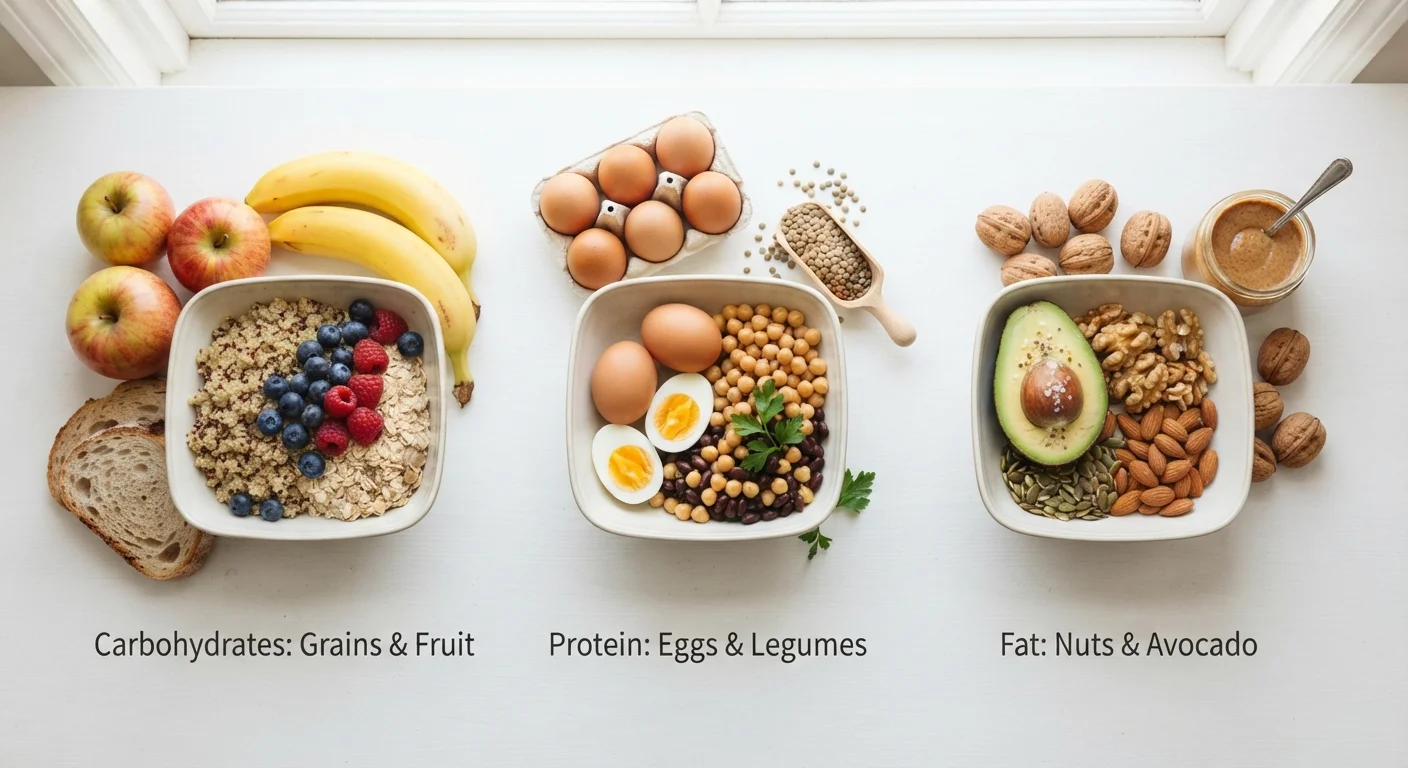
Photo: ScoutAnswers.com | Blogs That Ignite Curiosity editorial
Key Takeaways
- Carbohydrates are the body's preferred and most efficient source of energy.
- Protein supports muscle repair, immune function, and the production of enzymes and hormones.
- Dietary fat is essential for absorbing fat-soluble vitamins and supporting brain health.
- All three macronutrients are necessary - no single one is inherently harmful or dispensable.
- The quality and source of each macronutrient matters as much as the quantity you consume.
Carbohydrates: Your Body's First Choice for Fuel
Carbohydrates are the body's preferred energy source. When you eat carbs - whether from bread, fruit, beans, or vegetables - your digestive system breaks them down into glucose, a simple sugar that cells use to power everything from physical movement to brain activity.
Not all carbohydrates behave the same way. Simple carbohydrates (found in fruit, milk, and added sugars) are digested quickly, producing a faster rise in blood glucose. Complex carbohydrates (found in whole grains, legumes, and starchy vegetables) are digested more slowly, providing more sustained energy and typically delivering more fiber along the way.
Fiber - a type of carbohydrate your body cannot fully digest - supports digestive health, helps regulate blood sugar, and contributes to feelings of fullness. Most Americans fall short of recommended fiber intake, a gap worth noting when evaluating commonly underconsumed nutrients.
Focus on Carbohydrate Quality First
Protein: The Body's Building and Repair Material
Protein is composed of amino acids - organic compounds that the body uses to build and repair tissues, produce enzymes and hormones, and support immune function. Of the 20 amino acids involved in human physiology, nine are classified as essential, meaning the body cannot make them on its own and must obtain them through food.
Animal-based proteins - including meat, poultry, fish, eggs, and dairy - are considered complete proteins because they contain all nine essential amino acids. Many plant-based proteins are incomplete on their own, but eating a variety of plant foods throughout the day can supply all essential amino acids.
Protein also plays a role in satiety. Foods high in protein tend to slow digestion and can help people feel fuller for longer - a function that has made it a focus of considerable nutrition research, though individual responses vary.
~10-35%
Recommended calorie share from protein
The U.S. Dietary Reference Intakes establish an Acceptable Macronutrient Distribution Range (AMDR) of 10-35% of total daily calories from protein for adults.
45-65%
Recommended calorie share from carbohydrates
According to the U.S. Dietary Reference Intakes, carbohydrates should account for 45-65% of total daily calories for most adults.
20-35%
Recommended calorie share from fat
The U.S. Dietary Reference Intakes recommend that dietary fat make up 20-35% of total daily calories for adults, with an emphasis on unsaturated fat sources.
Dietary Fat: More Than Just Stored Energy
Fat has a long-standing reputation as something to minimize, but the science tells a more nuanced story. Dietary fat is essential for absorbing fat-soluble vitamins (A, D, E, and K), insulating organs, producing hormones, and maintaining the structure of every cell membrane in the body.
The type of fat matters considerably. Unsaturated fats - found in olive oil, avocados, nuts, seeds, and fatty fish - are associated with cardiovascular benefits in a substantial body of research. Saturated fats, found in red meat and full-fat dairy, are the subject of ongoing scientific discussion about their role in heart health. Trans fats, largely removed from the U.S. food supply after regulatory action, are associated with increased cardiovascular risk and are generally considered harmful.
Because fat provides 9 calories per gram - more than twice that of carbs or protein - it is a concentrated energy source. This density is a feature, not just a limitation; it helps explain why small amounts of high-fat foods can be satisfying.
Understanding how these nutrients appear on packaged foods is a practical next step - our guide to reading nutrition labels explains exactly what each line item means.
Why Balance Matters More Than Elimination
Popular diets often advocate reducing or eliminating one macronutrient entirely - whether carbohydrates, fat, or less commonly, protein. While such approaches may lead to short-term changes for some people, the broader body of nutrition science consistently supports consuming all three macronutrients as part of a varied, whole-food-centered diet.
Each macronutrient interacts with the others. Eating fat alongside certain vegetables, for example, can enhance the absorption of fat-soluble compounds. Pairing protein with carbohydrates can moderate how quickly blood glucose rises after a meal. These interactions underscore why viewing food as a system - rather than a collection of isolated nutrients - tends to reflect how nutrition actually works in practice.
The source of your macronutrients matters too. A gram of carbohydrate from a whole grain carries fiber, vitamins, and minerals alongside it; a gram of carbohydrate from a refined sugar product typically does not. This distinction is explored in depth in our article on whole foods versus processed foods.
Macronutrients tell only part of the nutritional story. Vitamins, minerals, and other compounds work alongside them - for a closer look at that side of the equation, see our overview of micronutrients.
This article is for general informational purposes only and is not a substitute for professional medical or nutritional advice. Consult a qualified healthcare provider or registered dietitian for guidance tailored to your individual health needs.
Frequently Asked Questions
The content on this site is for informational purposes only and is not a substitute for professional advice. Always consult a qualified professional for guidance specific to your situation.