
Home Improvement

The Hidden Costs of Home Renovation Projects

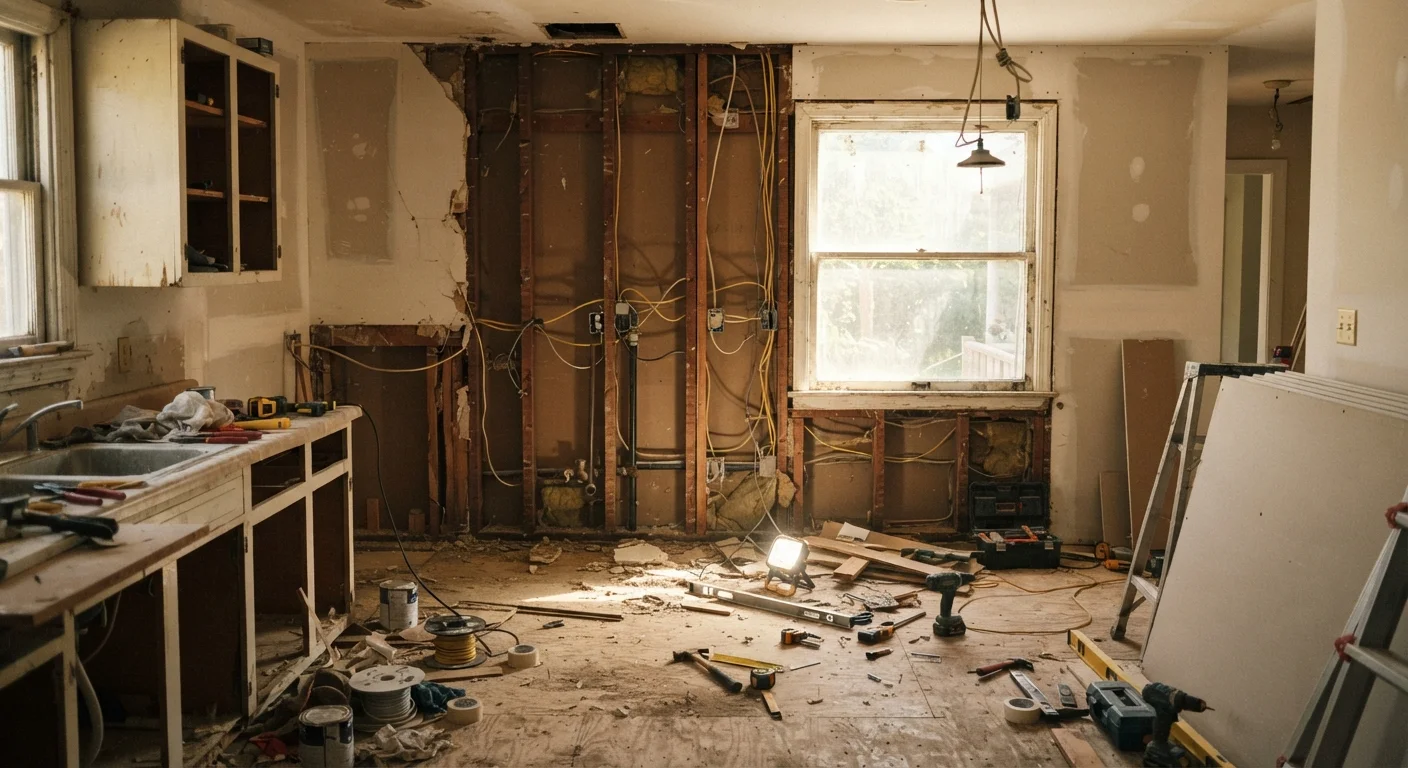
The Hidden Costs of Home Renovation Projects

Photo: ScoutAnswers.com | Blogs That Ignite Curiosity editorial

Permits, debris removal, structural surprises — renovation budgets routinely balloon. Here's what homeowners consistently underestimate before work begins.

Key Takeaways

  • Permit fees, inspections, and code-compliance upgrades can add thousands to any renovation budget.
  • Structural surprises hidden behind walls — like rot, mold, or outdated wiring — are common and expensive.
  • Debris hauling, temporary living costs, and finish-work details are routinely left out of initial estimates.
  • A contingency fund of 15–20% of your total budget is a widely recommended planning buffer.
  • Skipping the permit process can create serious legal and insurance complications down the road.

Why Renovation Budgets Fall Apart

Homeowners typically build a renovation budget around the most visible line items: materials, contractor labor, and appliances. What derails those budgets isn't usually the expected work — it's everything adjacent to it. Permits, structural repairs, disposal fees, and temporary accommodations have a habit of appearing only after demolition begins.

Understanding where costs hide is the first step toward planning a project that doesn't spiral. The mistakes below represent the most consistent blind spots homeowners encounter, regardless of project scope. For a broader look at assumptions that quietly inflate renovation costs, see our guide to renovation myths that cost real money.

1

Ignoring permit requirements and assuming the contractor will handle it.

Why it happens: Homeowners often assume permits are automatic, optional, or the contractor's sole responsibility — especially on projects that feel minor.
How to avoid: Contact your local building department before signing any contract to confirm what permits your specific project requires. Clarify in writing which party — homeowner or contractor — is responsible for pulling them. Unpermitted work can void homeowner's insurance coverage and complicate future sales.
2

Underestimating what's behind the walls — rot, mold, outdated wiring, and plumbing surprises.

Why it happens: Budgets are built on what's visible, and contractors can only quote what they can see before demolition begins.
How to avoid: Build a contingency fund of at least 15–20% of your total project cost specifically for concealed conditions. Ask your contractor to outline the most likely structural or systems issues for your home's age and region. Our guide to often-overlooked renovation details covers specific areas worth inspecting early.
3

Leaving debris removal and hauling out of the budget entirely.

Why it happens: Disposal feels like a minor afterthought — until a full dumpster rental, landfill fees, and multiple haul-away trips appear on the final invoice.
How to avoid: Ask every contractor to itemize debris removal separately in their bid so it's visible and comparable. For larger projects, get a dedicated quote from a hauling or dumpster rental service to cross-check contractor rates.
4

Not accounting for temporary living or storage costs during major work.

Why it happens: Homeowners focus on construction timelines and underestimate how long spaces will be genuinely uninhabitable or inaccessible.
How to avoid: If a kitchen, bathroom, or bedroom is the project's core, factor in hotel stays, short-term rentals, or restaurant meals during the work window. Add these directly to the project budget — not as a separate personal expense — so the full cost of the renovation is reflected accurately.
5

Accepting a single contractor bid without getting itemized breakdowns.

Why it happens: One-number bids are easy to compare on the surface, but they obscure where money is actually going and make it harder to spot gaps.
How to avoid: Request at least two to three itemized bids that break out labor, materials, subcontractors, permits, and disposal separately. Itemized bids let you identify what each contractor includes — and what they don't — rather than comparing opaque totals.
6

Forgetting that code-compliance upgrades often come with the permit process.

Why it happens: Many homeowners don't realize that opening walls or changing square footage can trigger requirements to bring adjacent systems — electrical panels, ventilation, egress windows — up to current code.
How to avoid: Before finalizing your budget, ask your local building department or a licensed contractor which code upgrades your specific project is likely to trigger. These can range from a few hundred to several thousand dollars and are non-negotiable once a permit is pulled.

Planning Ahead to Avoid Budget Overruns

Most of the financial pain in renovation projects is avoidable with disciplined upfront planning. Before any contractor sets foot on your property, verify local permit requirements, get multiple itemized bids, and walk the space with an eye toward what might be concealed inside walls, under floors, or above ceilings.

Skipping Permits Has Lasting Consequences

Unpermitted work isn't just a code violation — it can affect your homeowner's insurance claim eligibility, complicate refinancing, and become a required disclosure during a home sale. In some jurisdictions, buyers can require unpermitted work to be removed or brought into compliance at the seller's expense. Always verify what your project requires before work begins.

A solid pre-project checklist can make the difference between a controlled renovation and a reactive one. Our pre-project checklist for major home improvement jobs covers budgeting, permits, materials, and safety planning in one place. If you're taking on something like a deck build, which involves both permitting and structural decisions, review what DIY deck building actually involves before committing to a scope.

Building a contingency fund — commonly suggested at 15–20% of total project cost — isn't pessimism. It's the most practical financial tool a homeowner has for absorbing the unexpected without halting work mid-project.

This article is for general informational purposes only. Costs, codes, and permit requirements vary significantly by location. Always verify local regulations and consult licensed professionals before beginning any renovation work.

Home & Garden Editorial Team

ScoutAnswers.com | Blogs That Ignite Curiosity

Home & Garden Editorial Team is the collective byline for our editorial team and contributor network. Articles published under this byline or an editorial pen name are researched, written, and reviewed according to our editorial standards for clarity, consistency, and independence before publication.

Home ImprovementLawn & GardenHome Furniture
View author profile

The content on this site is for informational purposes only and is not a substitute for professional advice. Always consult a qualified professional for guidance specific to your situation.