
Envelope Budgeting in the Digital Age: Does the Old Method Still Hold Up?

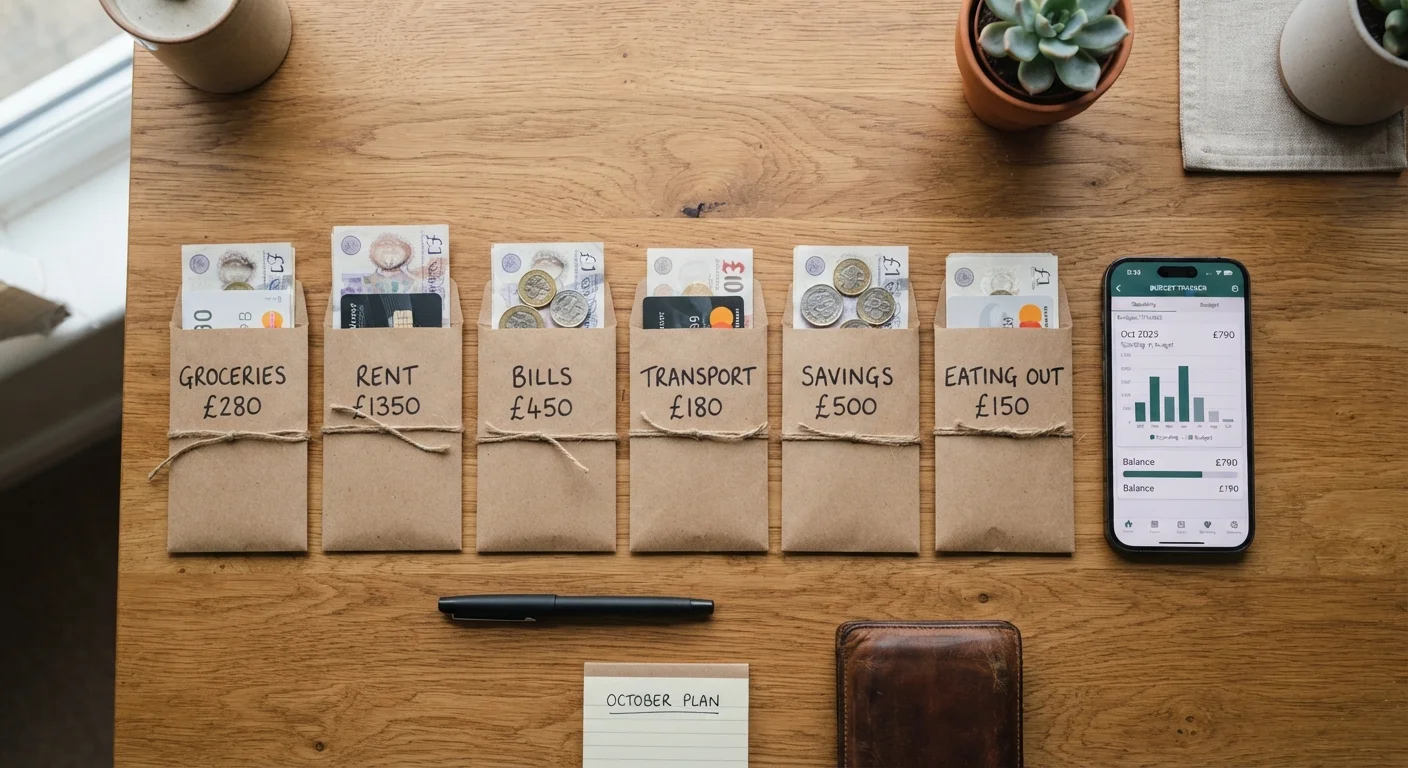
Photo: ScoutAnswers.com | Blogs That Ignite Curiosity editorial
Key Takeaways
- The envelope system divides spending money into physical or virtual categories to prevent overspending.
- Cash-based envelopes create a tangible spending limit that can curb impulse purchases effectively.
- Digital apps now replicate envelope logic without requiring physical cash.
- The method works best for variable, discretionary spending categories like groceries and dining.
- It may not suit people with complex finances or those who rely heavily on credit cards.
Creates a hard stop on category overspending
Once the envelope is empty, the decision is made for you. This removes the mental negotiation that often leads to budget drift in categories like dining and entertainment.
Makes spending tangible and deliberate
Handling physical cash - or seeing a digital balance drop in real time - reinforces the reality of each transaction in a way that a monthly credit card statement often doesn't.
Simple enough to start immediately
The system requires no software, no financial literacy prerequisites, and minimal setup. A pen, some envelopes, and a paycheck are all you need to begin.
Works well for variable, discretionary categories
Groceries, gas, dining, and personal spending are naturally suited to envelope caps because they fluctuate month to month and are most vulnerable to creep.
Builds awareness of spending patterns over time
Consistently running short in one envelope - or consistently having leftover cash - reveals real behavioral patterns that a passive bank statement rarely makes obvious.
Cash-only approach conflicts with digital payments
Most Americans use debit cards, credit cards, and mobile payments for convenience and security. Withdrawing cash purely for envelope use can feel cumbersome and introduces risk of loss or theft.
Misses out on credit card rewards and protections
If you manage credit responsibly, paying with cash means forgoing purchase protections and rewards programs. The envelope system can inadvertently penalize disciplined credit users.
Doesn't address fixed expenses or savings goals
Mortgage payments, insurance premiums, and retirement contributions don't fit neatly into envelopes. The system handles variable spending well but needs to be paired with a broader financial plan.
Can become difficult to sustain with irregular income
Freelancers and gig workers whose income varies significantly month to month may find it hard to pre-allocate fixed envelope amounts with confidence.
Physical cash management adds logistical overhead
Making ATM withdrawals, organizing bills, and maintaining multiple envelopes demands consistent effort - a barrier that leads many people to abandon the system after a few weeks.
What the Envelope System Actually Is
The envelope budgeting method is straightforward: at the start of each month, you withdraw cash and distribute it into labeled envelopes - one for groceries, one for gas, one for dining out, and so on. When an envelope is empty, spending in that category stops until the next month. There's no moving money between accounts, no vague sense of "I think I still have room" - just a physical limit.
The system has roots in pre-credit-card household finance, when cash was the primary medium of exchange. Personal finance educators have championed it for decades as a way to make spending concrete and visceral. The psychological principle behind it is well-supported: physical money feels more "real" than a card swipe, which can make people more deliberate about each purchase.
If you've never built a formal spending plan before, starting with a basic monthly budget is a useful first step before adopting any specific method like envelopes.
Pros and Cons of Envelope Budgeting
Like any budgeting framework, the envelope system has genuine strengths and real limitations. Understanding both helps you decide whether it fits your lifestyle - and where it might need adjustment.
Creates a hard stop on category overspending
Once the envelope is empty, the decision is made for you. This removes the mental negotiation that often leads to budget drift in categories like dining and entertainment.
Makes spending tangible and deliberate
Handling physical cash - or seeing a digital balance drop in real time - reinforces the reality of each transaction in a way that a monthly credit card statement often doesn't.
Simple enough to start immediately
The system requires no software, no financial literacy prerequisites, and minimal setup. A pen, some envelopes, and a paycheck are all you need to begin.
Works well for variable, discretionary categories
Groceries, gas, dining, and personal spending are naturally suited to envelope caps because they fluctuate month to month and are most vulnerable to creep.
Builds awareness of spending patterns over time
Consistently running short in one envelope - or consistently having leftover cash - reveals real behavioral patterns that a passive bank statement rarely makes obvious.
Cash-only approach conflicts with digital payments
Most Americans use debit cards, credit cards, and mobile payments for convenience and security. Withdrawing cash purely for envelope use can feel cumbersome and introduces risk of loss or theft.
Misses out on credit card rewards and protections
If you manage credit responsibly, paying with cash means forgoing purchase protections and rewards programs. The envelope system can inadvertently penalize disciplined credit users.
Doesn't address fixed expenses or savings goals
Mortgage payments, insurance premiums, and retirement contributions don't fit neatly into envelopes. The system handles variable spending well but needs to be paired with a broader financial plan.
Can become difficult to sustain with irregular income
Freelancers and gig workers whose income varies significantly month to month may find it hard to pre-allocate fixed envelope amounts with confidence.
Physical cash management adds logistical overhead
Making ATM withdrawals, organizing bills, and maintaining multiple envelopes demands consistent effort - a barrier that leads many people to abandon the system after a few weeks.
Digital Envelope Apps: A Modern Adaptation
Because most Americans conduct daily transactions digitally, a strict cash-only approach creates friction. Digital envelope apps address this by applying the same categorical logic to bank balances or virtual accounts. You allocate a set amount to each spending category at the start of the month; the app tracks spending against those limits and signals when you're approaching the ceiling.
Some people use dedicated budgeting software; others create sub-accounts at their bank for the same purpose. The mechanics differ, but the behavioral goal is identical: spend intentionally within pre-set limits. For a broader comparison of how digital tracking tools stack up in practice, see spreadsheet vs. budgeting app.
Cash vs. Digital Envelopes: A Key Distinction
It's worth noting that digital envelopes don't replicate every benefit of cash. Research in consumer behavior suggests that card and digital payments can reduce spending friction, meaning the psychological "pain" of spending is lower. If self-discipline around categories is your core challenge, some practitioners recommend starting with physical cash to build the habit before transitioning to an app.
Where It Fits in the Broader Budgeting Landscape
Envelope budgeting is one of several established frameworks for managing personal spending. Zero-based budgeting - which assigns every dollar of income a job before the month starts - shares its DNA. The 50/30/20 rule takes a higher-level percentage approach. Comparing zero-based and 50/30/20 budgeting can help you understand whether envelope logic fits within a broader framework or works better as a standalone approach.
~33%
Americans with a formal household budget
Surveys from Gallup and similar polling organizations have consistently found that fewer than one in three U.S. households follows a detailed, formal budget, highlighting how much room there is for structured methods like envelope budgeting to make an impact.
Up to 23%
Spending reduction linked to cash payments
Research published in behavioral economics literature suggests consumers can spend meaningfully less when using cash versus card, though results vary widely depending on individual habits and context.
None of these methods is universally superior. The research on budgeting consistently points to one conclusion: the system you will actually use consistently is the right one for you. For principles that help any method hold up over time, sustainable budgeting practices are worth reviewing regardless of which framework you adopt.
This article is for general informational and educational purposes only. It does not constitute personalized financial advice. Consult a qualified financial professional for guidance tailored to your individual circumstances.
The content on this site is for informational purposes only and is not a substitute for professional advice. Always consult a qualified professional for guidance specific to your situation.