
The Case for Tracking Every Dollar-Even the Small Ones

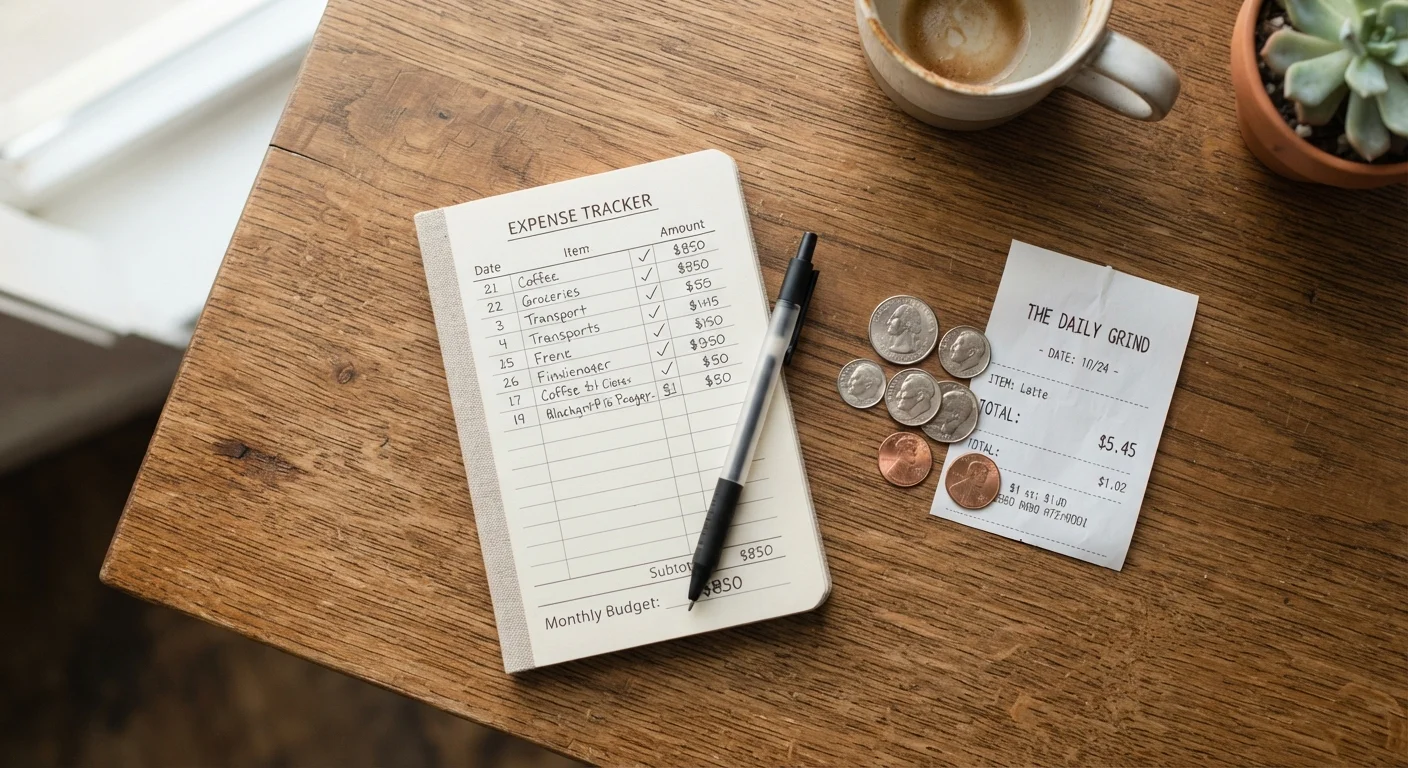
Photo: ScoutAnswers.com | Blogs That Ignite Curiosity editorial
Key Takeaways
- Small, frequent purchases often account for more monthly leakage than large, infrequent ones.
- Tracking every dollar creates an accurate data baseline that makes budgeting genuinely effective.
- You don't need to track forever-30 to 60 days of detailed records can reveal lasting patterns.
- Modern tools make granular tracking far less time-consuming than most people expect.
- Awareness alone tends to change spending behavior, even before any formal budget is built.
Why Small Purchases Derail Budgets More Than Big Ones
Most people mentally track their large expenses-rent, car payments, utility bills. Those numbers are fixed, predictable, and hard to ignore. What's easy to ignore is the accumulation of small, frequent, discretionary purchases: the afternoon snack run, the impulse streaming upgrade, the convenience fee on a ticket purchase.
Research in behavioral economics consistently shows that people significantly underestimate their discretionary spending, particularly for low-cost, high-frequency transactions. The psychological mechanism is straightforward: small amounts feel trivial in the moment, so they don't register as financial decisions. Multiply that effect across dozens of transactions per week and the result is a meaningful gap between what people think they spend and what they actually spend.
If you've ever reached the end of a month wondering where your money went despite believing you were careful, small purchases are usually a significant part of the answer. Understanding your full budget picture-including every discretionary line-is the first step toward closing that gap.
~$1,400
Annual cost of a $4 daily purchase
A single small daily habit-coffee, a snack, or a convenience item-compounds to over $1,400 per year at just $4 per day.
40%+
Americans who spend more than they realize
Multiple consumer finance surveys have found that a significant share of U.S. adults consistently underestimate their monthly discretionary spending.
30 days
Minimum tracking window for reliable patterns
Financial planners generally recommend at least one full calendar month of transaction-level data to identify meaningful and repeatable spending habits.
What Granular Tracking Actually Reveals
When you begin recording every transaction-not just the obvious ones-patterns emerge that a high-level budget will never show. You might discover that "miscellaneous" spending is your second-largest monthly category. You might find that Thursday afternoons consistently produce impulse purchases, or that subscriptions you forgot about are quietly charging you each month.
This level of detail has a secondary effect: awareness itself changes behavior. Studies in self-monitoring suggest that people who simply observe and record their actions-without formal intervention-tend to modify those actions over time. In a spending context, seeing every $6 purchase logged in real time creates a friction that vague category estimates don't.
A monthly spending audit paired with transaction-level records is one of the most reliable ways to turn raw data into actionable insight.
How to Make It Manageable Without Burning Out
The most common objection to granular tracking is the time commitment. That concern is legitimate but largely solvable. Here's a practical framework:
- Use automatic syncing where possible. Budgeting apps linked to your bank and credit card accounts capture most transactions automatically, leaving you only to categorize and review-not manually enter data.
- Set a fixed daily check-in. Two to three minutes each morning or evening to review the previous day's transactions is enough. Don't let it pile up into a weekly chore.
- Track cash with a simple note. Cash purchases won't appear in bank feeds. Keep a note on your phone or a small pad in your wallet for these-they're often the most underreported.
- Commit to 30 days, then reassess. You don't have to track at this level indefinitely. One full month gives you a reliable baseline you can reference for months afterward.
If you're just getting started with a formal spending plan, the step-by-step budget guide can show you how tracking data feeds directly into a usable monthly plan. For choosing between tracking tools, see our comparison of spreadsheets vs. budgeting apps.
Start With One Category If Needed
This article provides general financial education and is not personalized financial advice. For guidance tailored to your situation, consider consulting a qualified financial professional.
Frequently Asked Questions
The content on this site is for informational purposes only and is not a substitute for professional advice. Always consult a qualified professional for guidance specific to your situation.