
How Credit Utilization Works - and Why It Moves Your Score Quickly

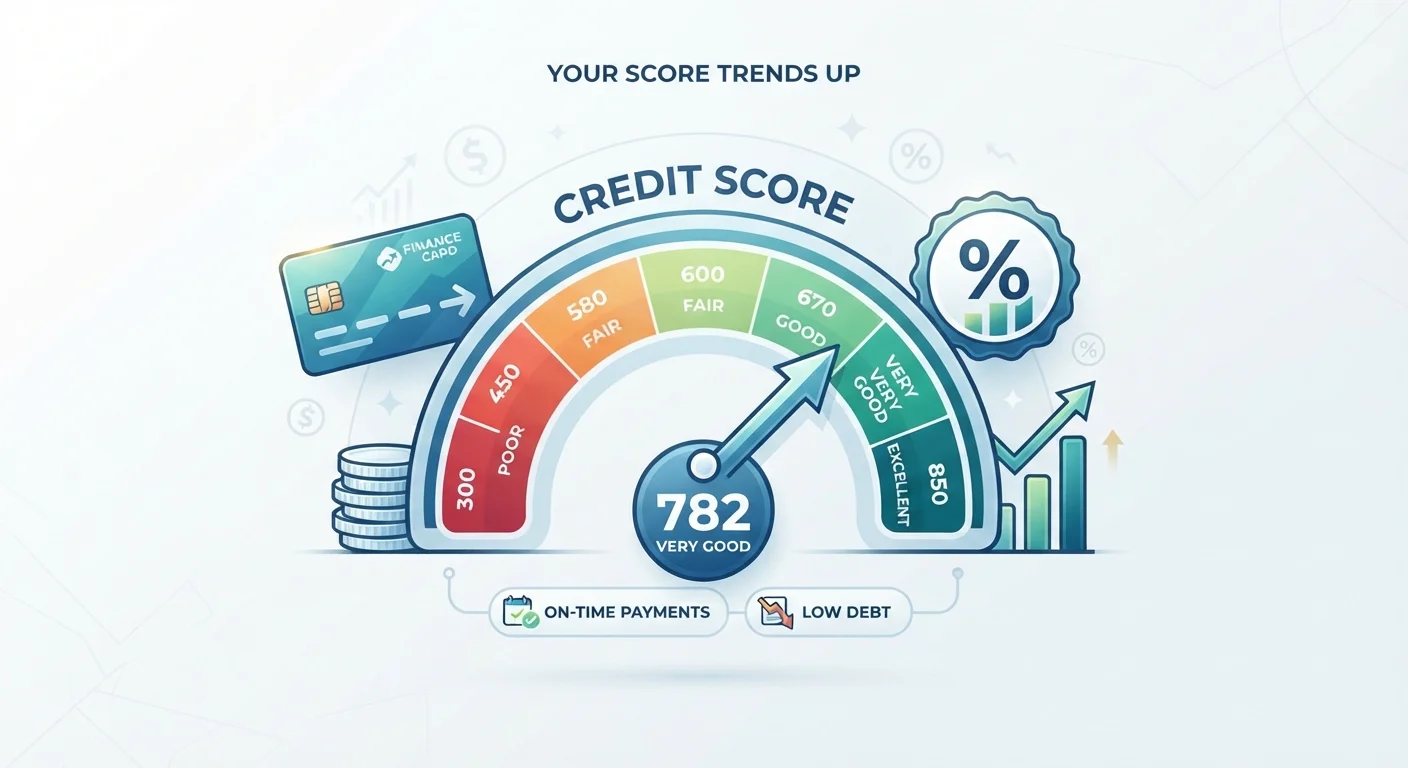
Photo: ScoutAnswers.com | Blogs That Ignite Curiosity editorial
Key Takeaways
- Credit utilization makes up approximately 30% of a FICO score, making it the second-largest scoring factor.
- Keeping utilization below 30% is a widely cited guideline, though lower generally correlates with higher scores.
- Unlike payment history, utilization can change dramatically in a single billing cycle.
- Both your total utilization and individual card utilization ratios affect your score.
- Paying down balances - not just making minimum payments - is the most direct way to lower utilization.
What Credit Utilization Actually Measures
Credit utilization is straightforward in concept but often misunderstood in practice. It measures how much of your available revolving credit you are actively using at a point in time. The basic formula is: total balances divided by total credit limits, expressed as a percentage.
For example, if you have two credit cards with a combined limit of $10,000 and carry a total balance of $2,500, your utilization is 25%. Scoring models perform this calculation at the aggregate level and at the individual card level - so a card that is nearly maxed out can hurt your score even when your overall ratio looks fine.
To understand where utilization fits within the full picture of how scores are built, see our breakdown of what credit scores actually measure.
~30%
Utilization's weight in FICO score calculation
According to FICO's publicly disclosed scoring model breakdown, amounts owed - primarily utilization - is the second-largest factor after payment history.
<10%
Utilization ratio of top-scoring consumers
FICO data on high-scoring consumers shows that individuals with scores above 800 typically report average utilization rates in the single digits.
30%
Commonly cited utilization guideline threshold
Many credit counseling organizations and financial educators cite staying below 30% utilization as a baseline for maintaining a healthy credit profile.
Why Utilization Moves Your Score Faster Than Most Factors
Most credit scoring factors - such as payment history or the age of your accounts - shift gradually over months or years. Utilization is different because it is recalculated fresh each time your card issuer reports your balance to the credit bureaus, typically around your statement closing date.
This means a large balance paid down before the statement closes can show up as lower utilization on your next report. Conversely, charging a significant amount even temporarily can cause a score drop that reverses as quickly as it appeared. No other major scoring component responds this rapidly to consumer behavior.
This responsiveness makes utilization particularly important to manage before a significant credit application. If you are planning to apply for a mortgage, for instance, your utilization at the time of application matters considerably. Our article on how credit scores shape mortgage eligibility explains why timing matters in that context.
Time Your Payments Before the Statement Closes
Common Misconceptions That Lead to Higher Utilization
One of the most persistent misconceptions is that carrying a small balance month to month - rather than paying in full - demonstrates responsible credit use and improves your score. This is not accurate. Scoring models do not reward carrying a balance; they reward low utilization regardless of whether you paid in full or left a balance from the prior month.
Another frequent mistake is only monitoring overall utilization while ignoring individual card ratios. A single card at 85% utilization is a red flag in scoring models even if your other cards are empty. Spreading balances across cards or paying down the highest-utilization card first can address this more directly than making equal payments across all accounts.
People also sometimes overlook that requesting a credit limit increase - when done as a soft inquiry or with a lender that uses a soft pull - can reduce utilization without changing your balance. Understand the distinction between credit check types by reviewing our guide to hard and soft credit inquiries before making any request.
Practical Strategies for Managing Utilization
Reducing utilization does not require a complicated strategy. The most effective approaches are straightforward: pay down balances, avoid charging close to your limit, and time your payments to land before your statement closing date rather than just before the due date.
If you use a rewards card for regular purchases and pay in full each month, monitor whether your spending briefly pushes your reported balance high before your statement closes. Consider making a mid-cycle payment to keep the reported balance lower even if you intend to pay in full anyway.
During major life events - career changes, relocations, or family transitions - credit behavior often shifts in ways that can inadvertently raise utilization. Our guide to managing credit through life changes covers how to stay on track during those periods.
This article is for general informational purposes only and does not constitute personalized financial or credit advice. Consult a qualified financial professional for guidance specific to your situation.
Frequently Asked Questions
The content on this site is for informational purposes only and is not a substitute for professional advice. Always consult a qualified professional for guidance specific to your situation.