
Sofa Depth, Seat Height, and Fill: What Those Specs Actually Mean for Comfort

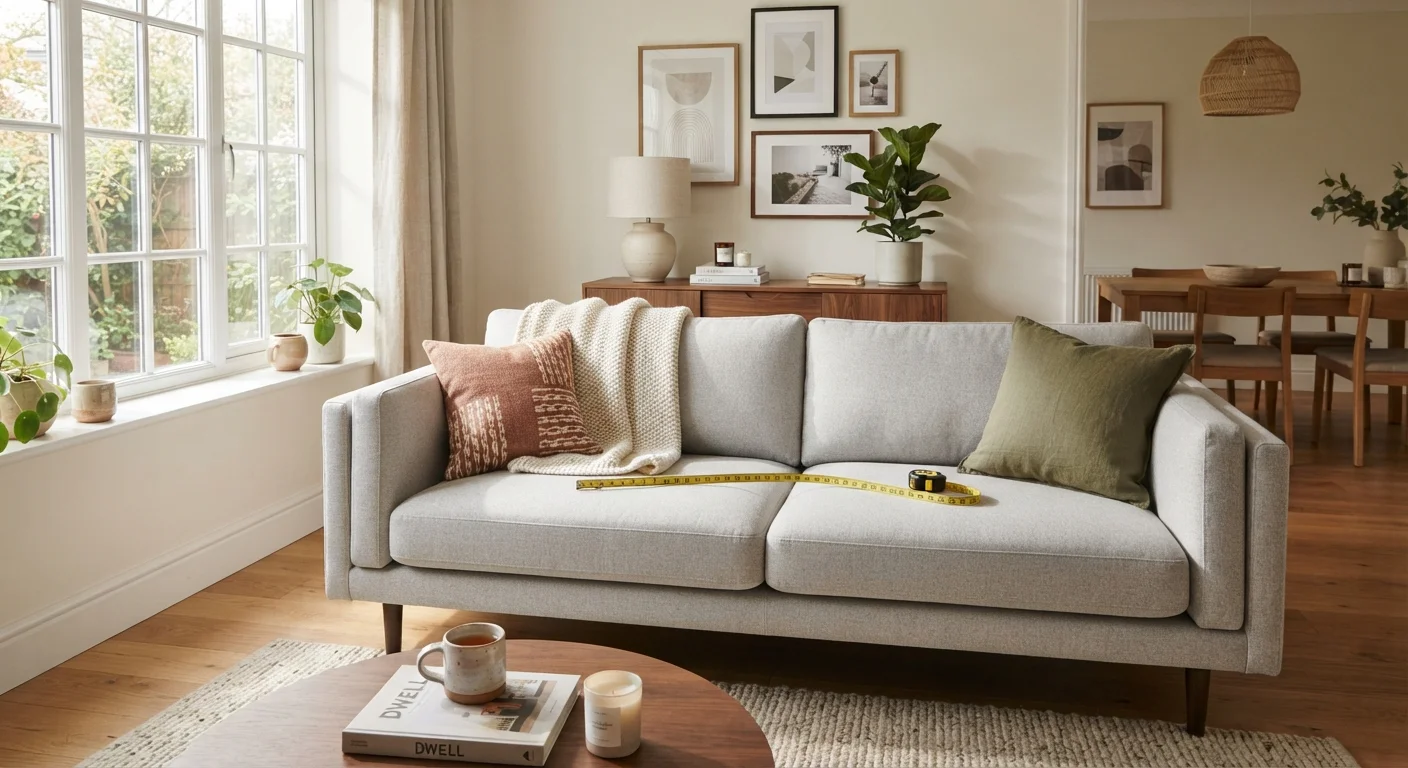
Photo: ScoutAnswers.com | Blogs That Ignite Curiosity editorial
The Three Specs That Determine How a Sofa Actually Feels
When you're shopping for a sofa, the product listing typically includes a handful of measurements - overall width, depth, height - plus a mention of the fill material. These numbers and terms aren't just box-checking details. They directly predict how the sofa will feel after an hour of sitting, whether it will fit your body, and how it will hold up over years of use.
Understanding what each spec means puts you in a much stronger position when evaluating options in a showroom or online. This reference breaks down the three most consequential specs: seat depth, seat height, and cushion fill.
| Standard seat depth range | 20-24 inches (Common industry range for residential sofas) |
| Standard seat height range | 17-19 inches (Typical for most residential sofa styles) |
| Foam density for durability | 1.8 lb/ft³ or higher (General guideline used by furniture quality assessors) |
| Extra-deep seat depth | 26 inches and above (Typical threshold for lounging-oriented sofa designs) |
| Most versatile seat depth | 22-24 inches (Suits the widest range of adult body types) |
For a broader look at how a sofa's overall dimensions interact with your room, see our guide on furniture scale and room proportions.
Seat Depth: Lounger or Upright Sitter?
Seat depth is measured from the front edge of the seat cushion to the point where the cushion meets the backrest. Most sofas fall between 20 and 24 inches of seat depth, though extra-deep lounging models can reach 28 inches or more.
Why it matters: if seat depth is too shallow for your height, your legs hang uncomfortably. If it's too deep, shorter individuals can't sit with their back supported and feet flat on the floor simultaneously - they end up perched at the front edge or reclining into the back with bent knees.
- 20-22 inches: Works well for petite to average-height adults who prefer an upright, supported posture - common for living rooms used for conversation or watching TV.
- 23-25 inches: A versatile range that suits most adult body types. Can accommodate both sitting upright and relaxed lounging.
- 26 inches and above: Designed for deep lounging. Pairs best with taller individuals or households that use the sofa primarily for relaxed, stretched-out use.
If multiple people of different heights share the sofa, a mid-range depth (22-24 inches) usually offers the widest compatibility.
Seat Depth
The measurement from the front edge of the seat cushion to the backrest, typically 20-26 inches. Determines whether a sofa suits upright or relaxed sitting postures.
Seat Height
The distance from the floor to the top of the seat cushion, usually 17-21 inches. Higher seats are easier to stand up from; lower seats create a more casual, relaxed feel.
High-Density Foam
A firm, durable foam fill rated by weight per cubic foot. Higher density (1.8 lb/ft³ or above) resists compression over time and maintains its supportive shape longer than lower-density alternatives.
Fiber Wrap
A layer of polyester fiberfill applied around a foam cushion core to soften the seat's feel while retaining underlying support. Common in mid-range sofa construction.
Down Blend Fill
Cushion fill made from a mixture of down and feathers, offering a soft, luxurious feel that conforms to the body. Requires regular fluffing to maintain shape.
Sinuous Spring
S-shaped wire springs running front-to-back within a sofa frame, providing a flexible, slightly bouncy base beneath seat cushions. Contributes to overall seat feel and cushion longevity.
Seat Height: Getting In and Out with Ease
Seat height is measured from the floor to the top of the seat cushion. Standard seat heights range from about 17 to 19 inches - roughly the height of a dining chair seat - though some low-profile sofas dip to 15 inches and some firmer, upright styles reach 20 or 21 inches.
A higher seat height (18-21 inches) makes it easier to sit down and stand back up, which is an important ergonomic consideration for older adults, people with joint concerns, or households with young children who need a stable surface to push off from. Lower seat heights feel more relaxed and contemporary in style, but can be harder to rise from after extended sitting.
Seat height also interacts with seat depth. A sofa that is both low and deep can feel like a trap - comfortable to sink into, but demanding effort to exit. This is worth considering practically for everyday use, especially if the sofa will serve people across a range of ages and mobility levels. The stage of life your household is in often shapes which seat height makes the most sense.
Cushion Fill: The Hidden Driver of Long-Term Comfort
Fill material determines how a cushion feels when you first sit down, how quickly it recovers its shape, and how much support it provides over years of use. Most sofa cushions use one of four common fill types, or a combination.
Foam only: High-density foam (measured in pounds per cubic foot) provides firm, consistent support and holds its shape well. Foam-only cushions feel structured - good for people who prefer an upright seated position. Look for foam rated at 1.8 lb/ft³ density or higher for durability; lower-density foam compresses and sags faster.
Foam with fiber wrap: A foam core surrounded by a layer of polyester fiberfill softens the feel without sacrificing the supportive base. This is one of the most common constructions in mid-range sofas and offers a balance between plushness and longevity.
Down and feather blends: These cushions feel luxuriously soft and conform to the body, but they require regular fluffing to maintain shape and offer less consistent support over time. They're best suited for households prioritizing comfort and aesthetics over low-maintenance living.
Sinuous spring or drop-in spring base with cushion on top: The internal spring system beneath the cushion also affects feel - springs add bounce and can extend the life of the seating surface. This distinction is separate from fill but worth noting when assessing overall comfort.
For upholstery questions that pair with fill decisions - particularly how fabric affects the tactile experience - our upholstery fabrics reference covers material performance in practical terms.
The content on this site is for informational purposes only and is not a substitute for professional advice. Always consult a qualified professional for guidance specific to your situation.