
Upholstery Fabrics Decoded: Performance, Feel, and Which Rooms Each Works Best In

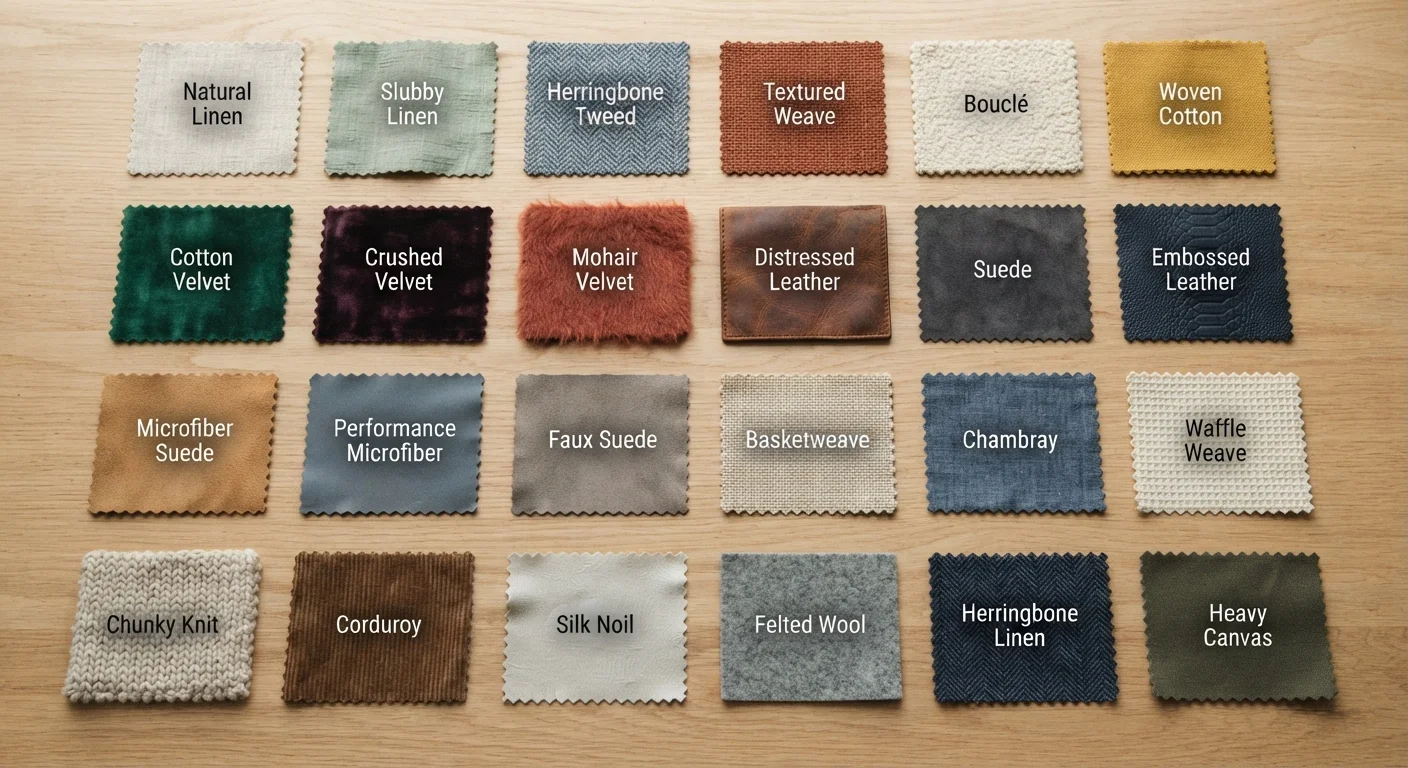
Photo: ScoutAnswers.com | Blogs That Ignite Curiosity editorial
Why Fabric Choice Matters Beyond Aesthetics
Upholstery fabric determines more than how a sofa or chair looks - it shapes how long the piece lasts, how it handles spills and daily contact, and whether it suits the people and pets who share your home. Before committing to any furniture purchase, it pays to understand the performance profile of each fabric category.
If you're still building out your rooms, the room-by-room furniture planning guide covers how to think about fabric selection alongside layout and sizing decisions. And if this is your first major furniture purchase, furniture shopping for first-time buyers walks through every key decision from measuring your space to evaluating construction quality.
| Most durable everyday fabric | Performance microfiber or tightly woven polyester blends |
| Best for pet households | Tightly woven microfiber, canvas-weight blends |
| Easiest to clean | Leather, faux leather, performance fabric |
| Most breathable natural fiber | Linen |
| Minimum double-rub count for moderate residential use | 15,000+ (General industry guideline) |
| Best for formal or accent seating | Velvet, wool, linen |
Common Upholstery Fabrics: Performance and Feel
Each fabric category has meaningful trade-offs. Use this breakdown as a reference when evaluating your options.
Double-rub count
A measure of fabric abrasion resistance. One double rub equals one back-and-forth motion across the fabric surface. Higher counts indicate greater durability; residential upholstery typically requires 15,000 or more double rubs for moderate use.
Performance fabric
A category of upholstery textiles engineered for stain resistance, moisture repellency, and durability, often using tightly woven synthetic or blended fibers. Commonly used in high-traffic household settings.
Pile
The raised fibers on the surface of fabrics such as velvet, chenille, or carpet. Pile height and density affect how the fabric looks, feels, and how well it resists crushing or collecting debris.
Faux leather
A synthetic material, typically polyurethane (PU) or PVC, designed to mimic the look and feel of genuine leather. It is generally less expensive but may be less durable over time, particularly with UV exposure.
Hand
An industry term describing how a fabric feels to the touch - its softness, texture, weight, and drape. Often used when comparing fabric samples.
Woven vs. knit upholstery
Woven upholstery fabrics are constructed by interlacing threads, producing a structured, durable surface. Knit fabrics are looped and tend to stretch more. For furniture, woven fabrics are generally preferred for longevity.
Linen
Linen is breathable, crisp in texture, and has a natural, relaxed appearance that suits transitional and casual-contemporary spaces. It performs well in low-to-moderate traffic rooms but wrinkles and absorbs stains relatively easily. Best suited to formal living rooms, reading chairs, or bedrooms where spills are unlikely.
Velvet
Velvet offers a rich, soft hand and vibrant color depth. Cotton velvet can crush or show wear over time; performance velvet blends are more durable and easier to clean. It's well suited to accent chairs, headboards, or living room sofas in adult households. Avoid in homes with heavy pet traffic - pet hair clings persistently to velvet pile.
Microfiber and Performance Fabrics
Tightly woven microfiber repels liquids, resists staining, and holds up to everyday use. It's one of the most practical choices for family rooms, kids' playrooms, and any high-contact seating. The texture can feel slightly synthetic, but quality microfibers have improved considerably in feel and appearance.
Leather and Faux Leather
Genuine leather is durable, ages gracefully, and wipes clean easily - making it a strong performer in living rooms and home offices. It can feel cool in winter and warm in summer. Faux leather (polyurethane or PVC-based) costs less but may peel or crack with extended UV exposure or heavy use. Both options work poorly in high-humidity spaces without proper conditioning or ventilation.
Wool and Wool Blends
Wool is naturally resilient, resists crushing, and regulates temperature well. It tends to be more expensive and may require dry cleaning. It's an excellent choice for formal seating areas or climate-variable rooms, and its natural texture adds visual warmth.
Cotton and Cotton Blends
Pure cotton is soft and breathable but wrinkles and soils quickly. Cotton blends - particularly with polyester or nylon - dramatically improve durability and stain resistance while retaining a natural feel. A good all-purpose option for casual settings where comfort is prioritized.
Matching Fabric to Room and Household
The right fabric depends heavily on who uses the room and how. Consider the following framework when narrowing your choice.
- Living rooms (high traffic): Performance microfiber, leather, or tightly woven blends. Avoid loosely woven linens or delicate velvets unless the room sees light use.
- Family rooms and playrooms: Performance fabrics with a high double-rub count (a measure of abrasion resistance - higher is more durable) and proven liquid resistance are the priority here.
- Primary bedrooms: Comfort and aesthetics can take precedence. Linen, velvet, and wool all work well in headboards or accent seating where contact is gentler.
- Home offices: Leather and performance blends clean easily and hold up to long hours of seated use.
- Dining chairs: Look for wipeable surfaces - vinyl, faux leather, or performance fabric - especially in households with children.
Households with pets should prioritize tightly woven, low-pile fabrics. Microfiber and canvas-weight blends release pet hair more easily than velvet or chenille. For guidance on how your life stage shapes what you need from your furniture overall, see how household needs shape furniture decisions.
Keep in mind that fabric is just one piece of overall sofa comfort. The guide to sofa depth, seat height, and fill explains how the structural specs underneath the fabric shape your actual sitting experience.
Check Care Codes Before You Buy
The content on this site is for informational purposes only and is not a substitute for professional advice. Always consult a qualified professional for guidance specific to your situation.