
Furniture for Every Stage: How Household Needs Shape What You Actually Need at Home

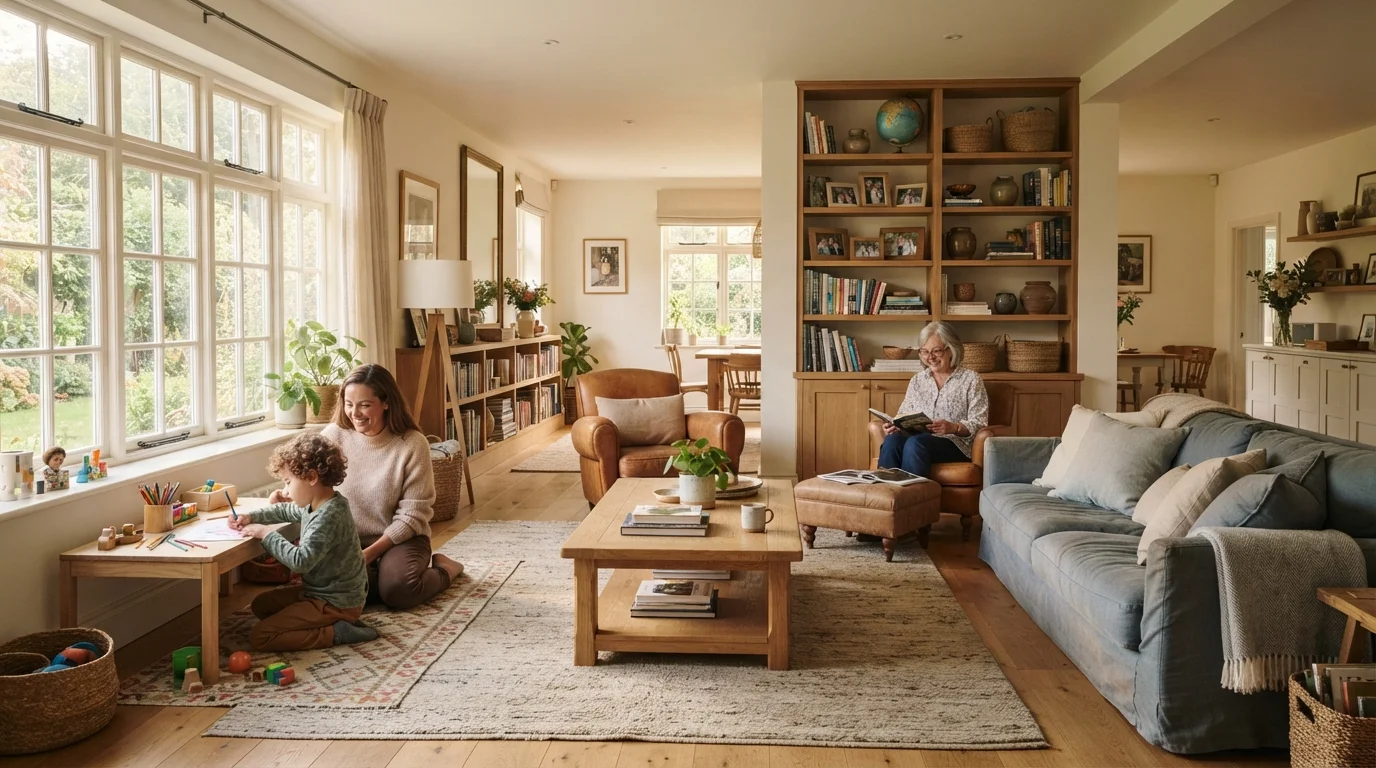
Photo: ScoutAnswers.com | Blogs That Ignite Curiosity editorial
Key Takeaways
- Furniture needs change significantly across life stages, from a first apartment to retirement.
- Prioritizing flexibility and durability early on reduces costly furniture turnover later.
- Families with children benefit most from hardwearing, easy-to-clean, and scalable pieces.
- Empty nesters often find smaller, higher-quality pieces outperform large, underused sets.
- Storage needs typically peak during family years and contract again in later stages.
- Matching furniture to your actual daily routines matters more than matching a design trend.
Stage One: The First Home or Apartment
Moving into your first independent space - whether a studio apartment or a rented two-bedroom - usually means starting with very little and working within a tight budget. The temptation is to fill every room quickly, but restraint often pays off. Over-furnishing a small space creates visual clutter and limits how the room can function as your needs evolve.
At this stage, prioritize a small set of genuinely useful pieces: a bed with under-bed storage, a compact sofa or loveseat, a dining surface that doubles as a workspace, and multi-functional storage like a bookshelf or storage ottoman. Avoid buying furniture that only works in one specific configuration or room size - flexibility matters when you don't yet know what your next home will look like.
If you're navigating your very first purchase decisions, the first-time furniture buyer's guide covers the essentials, from measuring your space to evaluating construction quality.
Measure Before You Buy - Every Time
Stage Two: Shared Households and Cohabiting Couples
When two people merge households, furniture decisions get more complex. Duplicate items - two dining tables, two bed frames - need to be reconciled. More importantly, shared routines introduce competing needs: one person may work from home while the other needs a quiet reading corner. Furniture now has to serve multiple users, not just one.
This is the stage where thinking about zones pays dividends. In open-plan living spaces, furniture arrangement itself becomes a design tool - rugs, sofas, and shelving units define areas without requiring walls. Our guide on defining zones in open-plan homes offers practical layout strategies.
Shared households also benefit from extra storage. Entryway furniture, dedicated office space, and a dining setup that works for both everyday meals and the occasional dinner party are common priorities at this stage.
68%
Americans who say storage is a top furniture priority
According to a survey by the American Institute of Architects, storage needs rank among the most commonly cited drivers of home renovation and furniture decisions for households with children.
2-3x
More furniture turnover during family years vs. other stages
Interior design research consistently finds that households with school-age children replace furniture at a higher rate than single-person or post-family households, largely due to wear, damage, and changing space needs.
54%
Renters who prioritize portability in furniture choices
Surveys of renter households indicate that more than half prioritize furniture that is easy to move or repurpose, reflecting the practical reality of shorter tenancy durations and variable apartment sizes.
Stage Three: Family Years - Durability Over Everything
When children enter the picture, furniture expectations shift dramatically. Aesthetic preferences take a back seat to durability, cleanability, and safety. Upholstered pieces in light, delicate fabrics become impractical almost immediately. Coffee tables with sharp glass tops or unstable shelving units can become genuine hazards.
Key priorities in family households include performance fabrics that resist stains and moisture, rounded-edge furniture where young children play, and ample, organized storage for toys, school supplies, and gear. Modular furniture - pieces that can be reconfigured or added to as children grow - reduces the need to replace entire sets every few years.
Material choice becomes especially important here. Understanding wood and composite furniture materials helps you identify which constructions hold up to daily family life and which tend to fail quickly under heavy use.
Stage Four: The Empty Nest and Beyond
When children leave and household size contracts, a common experience is finding yourself surrounded by furniture that no longer fits how you live. The large sectional sofa, the eight-seat dining table, the oversized media console - pieces that made sense for a full household can feel burdensome in a quieter home.
This stage is often the right moment to reconsider the whole picture: what rooms are now unused, what furniture genuinely earns its floor space, and what can be replaced with fewer but better pieces. Comfort and accessibility also rise in priority - furniture that is easy to get in and out of, appropriate in height, and low-maintenance becomes more valuable over time.
For homeowners considering room-by-room furniture planning, this stage can feel like a genuine opportunity to create a home that reflects current life rather than a past one. Selling or donating large pieces and replacing them with scaled-down alternatives often makes both the home and daily life feel more manageable.
Frequently Asked Questions
The content on this site is for informational purposes only and is not a substitute for professional advice. Always consult a qualified professional for guidance specific to your situation.