
Furniture Shopping for the First Time: Everything You Need to Know Before You Buy

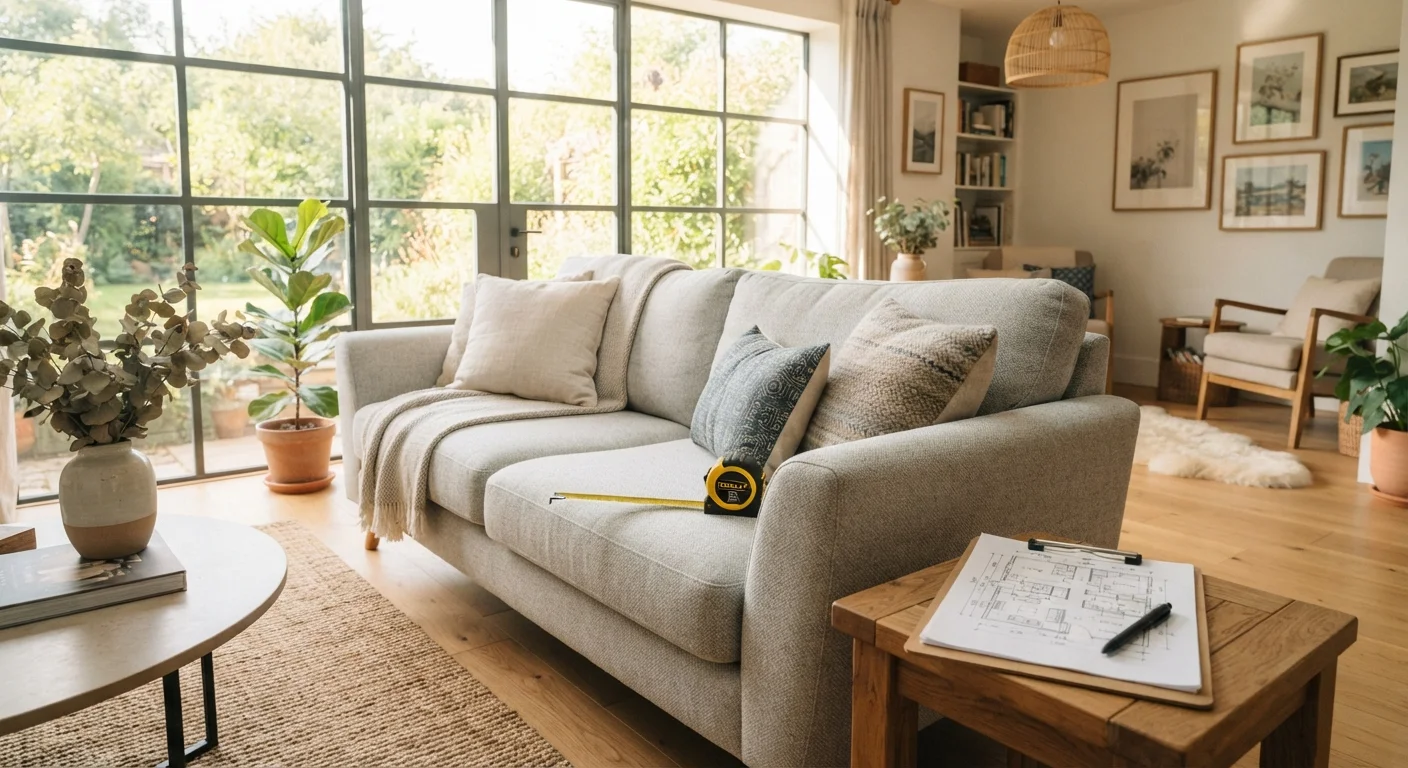
Photo: ScoutAnswers.com | Blogs That Ignite Curiosity editorial
Key Takeaways
- Always measure your room and doorways before choosing any piece of furniture.
- Construction quality - joints, frame materials, and suspension - matters more than surface appearance.
- Your daily habits and household members should shape every furniture decision you make.
- A few well-chosen, durable pieces outperform a room full of low-quality items over time.
- Delivery costs, assembly fees, and return policies are part of the true purchase price.
Start With Your Space, Not the Showroom
The single most common mistake first-time furniture buyers make is falling in love with a piece before knowing whether it fits - physically or functionally - in their home. Before you look at a single product, spend time with a tape measure.
Measure each room's length and width, note the location of windows, doors, and outlets, and record ceiling height if you're considering tall storage pieces. Then measure every entry point the furniture must pass through: front door, elevator, stairwell, and hallway. Many a sofa has been returned not because of quality but because it couldn't turn a corner.
Sketch a rough floor plan - it doesn't need to be architectural. Mark clearance zones: at least 30-36 inches of walkway around a dining table, 18 inches between a sofa and coffee table, and enough space to open bedroom drawers fully. Seeing these constraints on paper prevents expensive errors.
For a deeper room-by-room breakdown of sizes, clearances, and arrangement strategies, see our room-by-room furniture planning guide.
Bring Your Measurements to the Store
Understanding Furniture Construction and Materials
What furniture looks like on the surface and how it's actually built are two different things. Learning a few construction basics helps you assess quality without needing a specialist's eye.
Frames: Sofa and chair frames built from kiln-dried hardwood (such as oak or maple) are more resistant to warping and cracking than frames made from softwood or particleboard. Ask about frame material - a retailer that can't answer is a signal worth noting.
Joints: Look for double-dowel, mortise-and-tenon, or corner-block reinforced joints. Stapled or glued-only joints are more likely to loosen over time, especially in high-use seating.
Seat suspension: Eight-way hand-tied coil springs are considered the most durable option for sofas. Sinuous (S-shaped) springs are more common and perfectly acceptable in many price ranges. Webbing-only construction is generally the least durable.
Material choices extend beyond the frame. Our solid wood vs. engineered wood vs. MDF guide covers the durability, moisture resistance, and cost trade-offs of each option in detail.
Kiln-dried wood
Wood that has been dried in a controlled oven to reduce moisture, making it less likely to warp or crack after a piece of furniture is built.
Mortise-and-tenon joint
A traditional woodworking joint where a projecting piece (tenon) fits into a corresponding hole (mortise), creating a strong mechanical connection without relying solely on glue.
Eight-way hand-tied springs
A sofa suspension system where individual coil springs are tied together in eight directions, distributing weight evenly and lasting longer than simpler alternatives.
Sinuous springs
S-shaped metal strips used as seat suspension in many sofas; a widely used and acceptable alternative to coil springs, common in mid-range furniture.
Diagonal depth
The measurement of a sofa taken diagonally from one corner to another - used to determine whether it can fit through a doorway or around a corner during delivery.
Performance fabric
An upholstery material engineered for durability and easy cleaning, often resistant to stains, moisture, and fading - practical for households with children or pets.
Matching Furniture to How You Actually Live
Your daily habits, household size, and lifestyle should shape every furniture decision. A fabric that photographs beautifully may be impractical if you have young children or pets. A minimalist coffee table may not suit a household that eats in the living room.
Think through these questions before shopping:
- Who uses this piece and how often? High-traffic items need more durable materials and finishes.
- Do you need the furniture to do double duty? Storage ottomans, sofa beds, and extendable dining tables are worth considering in smaller spaces.
- How do you clean? Performance fabrics designed to resist stains require less maintenance than natural fibers like linen. Our upholstery fabrics guide explains what each fabric offers and where it performs best.
It's also worth thinking about where you are in life right now. Your needs at 25 in a studio apartment differ substantially from your needs at 35 with a family. The furniture for every stage guide walks through how priorities shift over time.
Budgeting Smartly: Where to Spend More and Where to Save
Not every piece deserves the same investment. A useful mental model: spend more on furniture that bears weight, endures daily use, or affects your sleep - and less on items that are primarily decorative or easily replaced.
Pieces generally worth a higher budget include:
- Mattress and bed frame - you spend roughly a third of your life in bed; construction and support matter
- Primary sofa - a well-built sofa used daily for years delivers clear value over time
- Dining chairs - joinery and seat comfort degrade noticeably in very low-cost options
Where savings are more reasonable:
- Side tables and accent furniture with low structural demands
- Bedroom dressers (solid drawer slides matter, but decorative styles are less critical)
- Temporary or transitional pieces you expect to replace within a few years
For a more detailed breakdown, see what furniture is actually worth spending more on.
Also factor in the full cost of purchase: delivery fees, assembly charges, and return or restocking fees can add meaningfully to the price. Confirm these before you finalize any order.
Avoiding Common First-Time Buyer Mistakes
Even well-prepared buyers make avoidable errors. Here are the ones that come up most often:
- Buying everything at once
- Furnishing a whole home in a single weekend rarely ends well. Buy essentials first, live in the space for a few weeks, then add pieces as you understand how you use each room.
- Ignoring scale
- Furniture that's too small for a room looks adrift; furniture that's too large overwhelms it. Lay painter's tape on the floor to simulate footprints before ordering.
- Overlooking storage needs
- Most homes need more storage than their residents anticipate. Consider built-in vs. freestanding storage trade-offs early in your planning.
- Skipping the return policy check
- Policies vary widely. Some retailers accept returns within 30 days; others charge restocking fees or don't accept returns on assembled items. Know the terms before you buy.
- Choosing style over function
- A piece that doesn't serve your life will feel like a mistake within months, regardless of how attractive it looked in the showroom.
Assembly and Lead Times Vary Widely
Frequently Asked Questions
The content on this site is for informational purposes only and is not a substitute for professional advice. Always consult a qualified professional for guidance specific to your situation.