
The Truth About 'Investment Pieces': What Furniture Is Actually Worth Spending More On

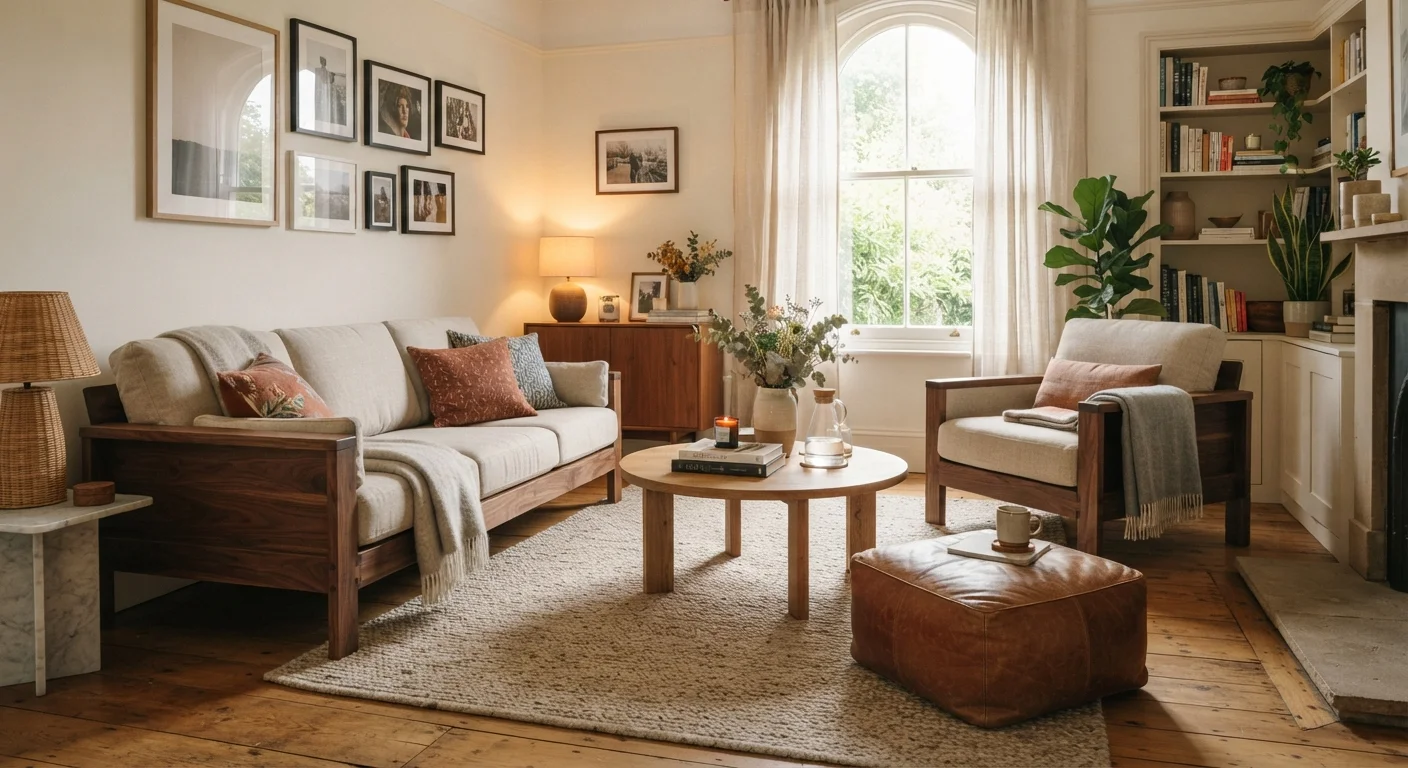
Photo: ScoutAnswers.com | Blogs That Ignite Curiosity editorial
Key Takeaways
- Frames, joints, and suspension systems determine how long upholstered furniture actually lasts.
- Bedroom mattresses and sofas typically justify higher spending more than decorative accent pieces.
- Price alone is not a reliable indicator of quality or long-term value.
- Construction details - not brand names - are the most honest guide to durability.
- Some furniture categories are better candidates for budget options without meaningful trade-offs.
Why the 'Investment Piece' Label Gets Misused
The phrase "investment piece" gets applied to almost everything in furniture retail - from $4,000 dining tables to decorative side tables that cost more than a month's groceries. But not every expensive item earns that label. True furniture investments are pieces that absorb daily use, hold their structural integrity over years, and don't need to be replaced every few years when trends shift or materials wear through.
Understanding the difference starts with asking the right questions: How often will this piece be used? Who will use it? Does the construction support that level of use? If you're buying furniture for the first time, learning to evaluate these factors early can save significant money and frustration over time.
Myth
If a piece of furniture is expensive, it must be well-made and worth the money.
Fact
Price reflects many factors - branding, retail markup, imported materials - not construction quality alone.
A high price tag can just as easily indicate a designer name, a trendy finish, or a high-rent showroom as it can indicate superior craftsmanship. Two sofas at very different price points may share the same underlying frame construction, while two sofas at the same price point may differ enormously in joint quality and suspension systems. Learning to evaluate frames, joinery, and fill materials gives you far more reliable information than price alone.
Myth
All furniture should be treated as a long-term investment worth spending top dollar on.
Fact
Many furniture categories perform adequately at moderate price points, especially in low-traffic or decorative roles.
Accent tables, guest room nightstands, decorative shelving, and style-specific statement pieces don't need to last decades to do their job. Treating every furniture purchase as a major investment leads to overspending in categories where durability is a minor factor. Concentrating budget on high-use pieces - primary seating, mattresses, everyday dining chairs - and being more flexible on accent or occasional items is a practical and sound approach.
Myth
Solid wood furniture is always the most durable choice in any category.
Fact
Solid wood is excellent for frames and structural elements, but isn't universally superior in every furniture application.
Solid wood frames in sofas and chairs offer excellent longevity. But for large flat surfaces like tabletops and cabinet panels, solid wood expands and contracts with humidity changes, sometimes causing warping or cracking over time. High-quality veneered plywood - thin wood layers bonded cross-grain - can actually be more dimensionally stable in certain applications. Construction context matters more than a blanket preference for solid wood.
Myth
A sofa that feels comfortable in the store will stay comfortable for years.
Fact
Showroom comfort is a poor predictor of long-term performance - internal construction is what determines how a sofa holds up.
Cushions can be temporarily overstuffed at the factory to feel plush in the showroom. Without a high-density foam core or quality down-wrap construction, that initial comfort degrades relatively quickly under regular use. Similarly, a frame that feels solid during a brief sit may show flex and wobble within a few years if joints rely on staples and glue rather than mechanical fastening. Ask about the frame material, joint construction, and foam density - not just how it feels in the moment.
Myth
Buying trendy, high-style furniture is a good investment because you can resell it later.
Fact
Most residential furniture, regardless of original price, has limited resale value and furniture rarely appreciates.
Unlike certain antiques or collectibles, contemporary retail furniture almost never holds - let alone grows - in monetary value. Resale markets for used furniture typically yield a small fraction of original retail price, even for high-quality pieces. The return on furniture spending comes from daily utility and durability, not from eventual resale. Purchasing primarily for resale potential is generally not a reliable strategy for everyday furniture decisions.
Which Pieces Actually Deserve a Bigger Budget
A handful of furniture categories genuinely reward spending more - not because of prestige, but because construction quality creates a measurable difference in everyday performance and lifespan.
Sofas and upholstered seating top the list. The average household uses a sofa for hours every day. A frame built from kiln-dried hardwood with eight-way hand-tied spring suspension will outlast a frame made from engineered wood and sinuous springs by a significant margin. You can't see this difference in a showroom, but you'll feel it within a few years of ownership.
Mattresses fall into the same category. Sleep quality affects nearly every area of daily functioning, and a mattress that doesn't support proper alignment can contribute to discomfort over time. This is one area where mid-range to higher-quality construction tends to make a real, felt difference for most people.
Dining chairs used daily are worth scrutinizing carefully. Joint construction - mortise-and-tenon over corner blocks, for example - determines whether a chair stays solid after years of being pulled, tilted, and loaded with weight.
7-15 years
Typical lifespan of a mid-to-high quality sofa
Industry guidance from furniture and home goods organizations suggests well-constructed upholstered sofas typically last between 7 and 15 years with regular use, depending on construction quality and household traffic.
~1.8 lb/ft³
Minimum foam density for lasting cushion support
Furniture industry guidelines generally recommend high-density foam at or above 1.8 lb per cubic foot for seat cushions intended to retain shape under regular, long-term use.
It's equally useful to consider your life stage and household. The furniture priorities for a young family differ substantially from those of a single-occupancy household or an empty nest - and that should shape where you concentrate spending.
Where Budget Options Hold Up Fine
Not every furniture purchase needs to be a long-term commitment. Accent chairs in low-traffic guest rooms, decorative shelving, nightstands, and most coffee tables can often be sourced at moderate price points without sacrificing meaningful durability. These pieces simply don't endure the same stress as primary seating or sleeping surfaces.
Storage furniture sits in interesting middle territory. Whether built-in storage or freestanding units make more sense depends on your situation, but freestanding storage at moderate price points often performs adequately - especially when it's not bearing significant weight or being moved frequently.
Watch Out for 'Solid Wood' Marketing Language
Trendy or highly style-specific pieces - a dramatically shaped occasional chair, a boldly colored console - carry additional risk. Even if built well, a piece tied tightly to a current aesthetic may feel dated before it wears out. For high-style items, a more moderate investment often makes practical sense.
How to Evaluate Quality Without Relying on Price Tags
Price is an imperfect proxy for quality. A high price can reflect skilled construction, but it can also reflect brand positioning, retail markup, or imported decorative materials that add visual appeal without adding durability. Here's what to actually look for:
- Frame material: Kiln-dried hardwood (such as oak, ash, or maple) resists warping and holds joinery better than softwoods or particleboard.
- Joints: Dovetail, mortise-and-tenon, and dowel joints are stronger than stapled or glued-only construction. Wobble a piece gently - any flex in a new frame is a warning sign.
- Upholstery fill: High-density foam cushions (generally 1.8 lb/ft³ or higher) retain their shape longer. Down-wrapped foam offers comfort and recovery. Pure polyester fill compresses quickly.
- Suspension: Eight-way hand-tied coil springs in sofas represent the most durable system. Sinuous (S-shaped) springs are more common and adequate in mid-range pieces but tend to wear faster under heavy daily use.
- Drawers: Dovetailed wood drawers with full-extension glides outperform stapled particleboard boxes with plastic tracks over years of use.
If you're investing in home improvements alongside furniture planning, it's worth noting that overlooked structural details - as explored in our look at commonly skipped renovation priorities - can affect how furniture wears, particularly flooring flatness and humidity control.
The content on this site is for informational purposes only and is not a substitute for professional advice. Always consult a qualified professional for guidance specific to your situation.