
Mixing Furniture Styles Without Creating Visual Chaos

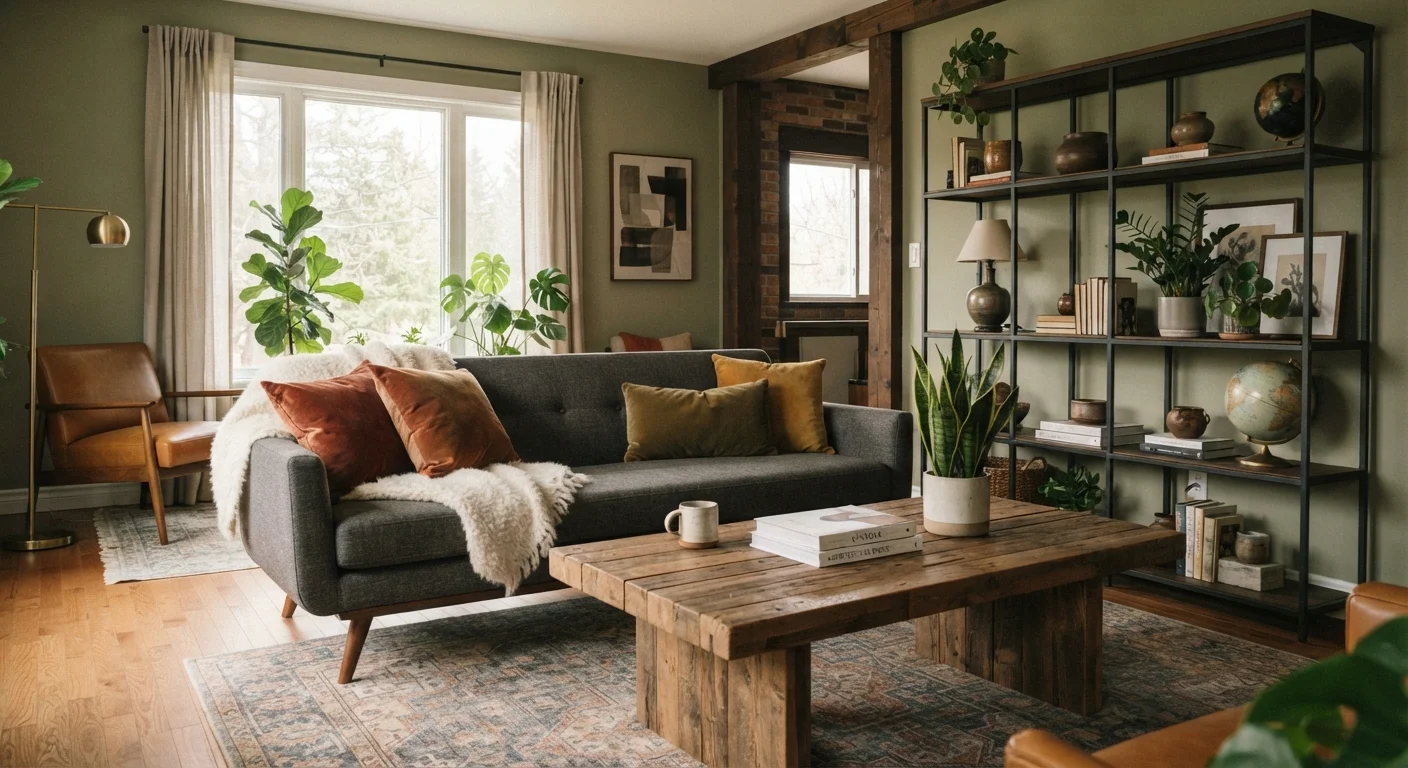
Photo: ScoutAnswers.com | Blogs That Ignite Curiosity editorial
Key Takeaways
- A shared color palette is the single most reliable way to unify furniture from different eras.
- Repeating one or two materials - like wood tone or metal finish - creates visual continuity across mismatched pieces.
- Scale consistency matters more than style matching; awkward proportions cause more chaos than mixed aesthetics.
- Anchor the room with one dominant style, then layer in accent pieces from other periods or aesthetics.
- Negative space and restraint prevent an eclectic room from tipping into clutter.
Why Mixing Styles Works - When It's Intentional
Perfectly matched furniture sets can feel flat and showroom-generic. A room that blends styles - a Victorian armchair beside a Scandinavian sofa, an industrial coffee table under a traditional pendant - tends to feel more personal and lived-in. The difference between a room that looks curated and one that looks confused almost always comes down to intention.
Intention means applying a few consistent design principles, even when the pieces themselves are wildly different. Without these anchors, the eye has nowhere to rest. With them, even genuinely eclectic combinations read as deliberate and confident.
For a broader foundation on how arrangement shapes perception, see our furniture arrangement principles guide.
The Best Practices for Blending Furniture Styles
These approaches consistently produce cohesive rooms regardless of which styles you're combining.
Establish one dominant style as your anchor before introducing others.
Unify the room through a consistent color palette across all pieces.
Repeat one or two materials or finishes throughout the space.
Keep visual weight balanced across different style groups.
Limit the number of distinct styles to three or fewer in a single room.
Use rugs and soft furnishings as style translators between hard furniture pieces.
Quick Wins You Can Apply Today
You don't need a full room overhaul to bring more cohesion to a mixed-style space. These small moves create immediate impact.
The Role of Scale - Your Non-Negotiable
Style differences are forgiving; scale mismatches are not. A delicate antique side table beside an oversized contemporary sectional will always look off, regardless of color coordination or material repetition. Before committing to any piece, assess whether its visual weight - its height, bulk, and mass - is roughly compatible with what surrounds it.
“A well-designed room tells a story - and every story needs a clear protagonist. Without one dominant idea, a room becomes a collection of sentences rather than a narrative.”
— Ilse Crawford, Interior designer and founder of Studioilse
Our guide on furniture scale and room proportions covers this in depth, but the practical rule is simple: mix styles freely, but keep visual weights in the same range within any given grouping.
If you're working with an open floor plan, defining furniture zones helps reinforce which pieces belong together. See open-plan living strategies for how to do this effectively.
Knowing When to Stop
Restraint is a design tool. Once you have one dominant style established, one or two accent styles layered in, a unified color palette, and repeated materials, resist adding more variety. Each additional style introduced raises the coordination burden exponentially.
3 styles
Maximum styles most designers recommend per room
Interior design educators generally advise limiting a single room to no more than three distinct furniture styles to maintain visual coherence without professional intervention.
60-30-10
Classic color proportion rule for room design
The 60-30-10 rule - 60% dominant color, 30% secondary, 10% accent - is a widely taught guideline in interior design for achieving balanced, non-chaotic color distribution across mixed furniture.
A useful test: stand in the doorway and let your eye move naturally around the room. If it snags on a piece that feels unrelated to everything else, that piece either needs a companion that shares one of its qualities, or it needs to leave the room. Eclectic rooms succeed not because they contain everything the owner loves, but because they contain a purposeful edit of it.
For room-specific planning that incorporates style mixing, the room-by-room furniture planning walkthrough offers practical guidance from living room to home office.
The content on this site is for informational purposes only and is not a substitute for professional advice. Always consult a qualified professional for guidance specific to your situation.