
Why Your Rug Keeps Making the Room Feel Wrong

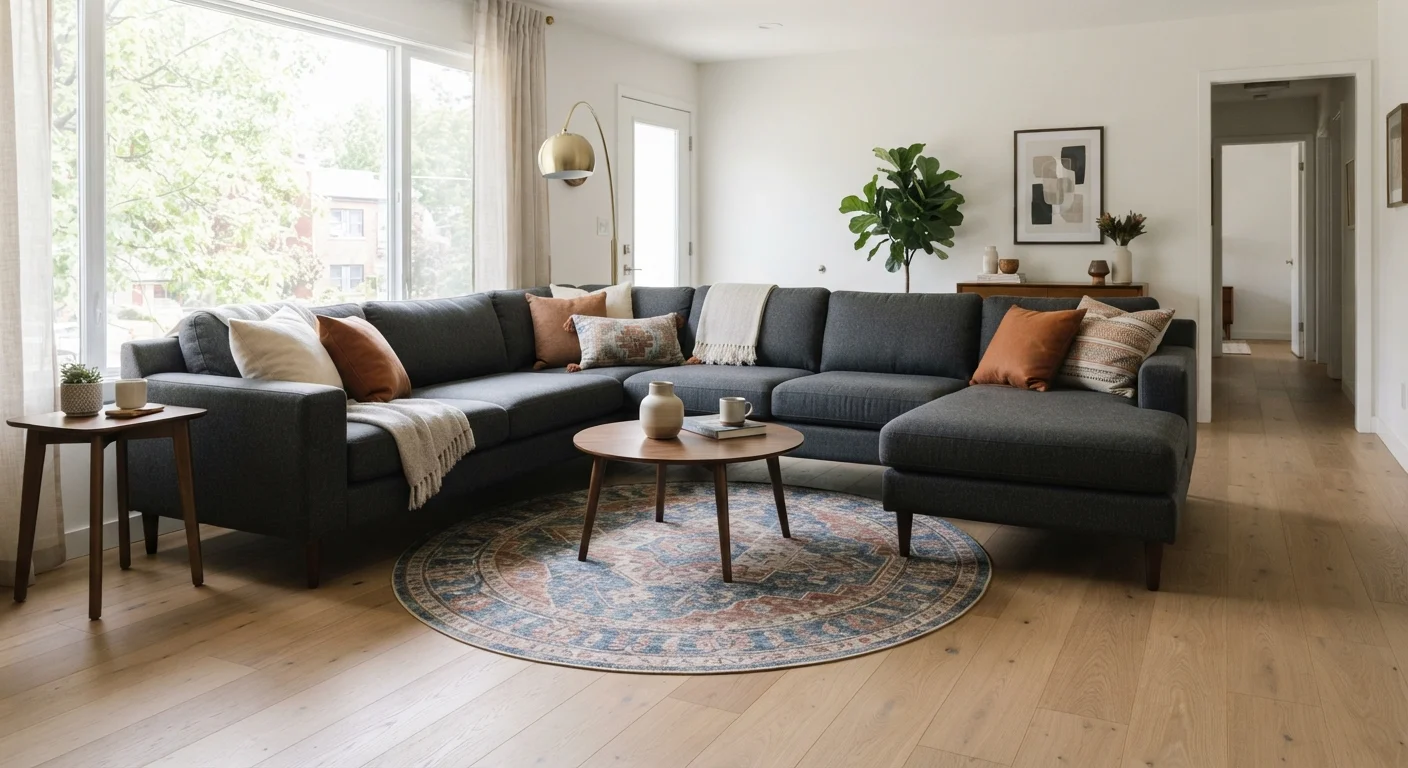
Photo: ScoutAnswers.com | Blogs That Ignite Curiosity editorial
Key Takeaways
- A rug that is too small visually shrinks a room and disconnects your furniture grouping.
- All front legs of seating furniture should rest on the rug in a living room arrangement.
- Floating rugs placed far from walls create awkward dead zones in smaller rooms.
- In bedrooms, the rug should extend at least 18-24 inches beyond both sides of the bed.
- Pattern scale and room scale must match - oversized patterns overwhelm small spaces.
- Measuring before buying is the single most effective way to avoid costly rug mistakes.
The Rug Is the Foundation - And That's Exactly the Problem
A rug does more than cover floor space - it acts as a visual anchor that organizes everything around it. When a rug is sized or placed incorrectly, the room feels unsettled without readers being able to say why. The furniture seems randomly scattered. The space feels smaller than it is. Something just looks off.
The good news: rug mistakes are almost always fixable without replacing your furniture. Understanding what goes wrong - and why it happens - is the first step. For a broader view of how proportion affects every element in a room, see our guide on furniture scale and room proportions.
Choosing a rug that is too small for the seating area.
Pushing the rug flat against the wall, creating a disconnected border effect.
Placing the rug so that all furniture legs float completely off it.
Selecting a pattern scale that clashes with the room's proportions.
Using a rug in the dining room that is too narrow for pulled-out chairs.
How to Get Your Rug Right the First Time
Before purchasing any rug, tape out its intended footprint on your floor using painter's tape. Walk around it, sit in your furniture, and look at it from multiple angles. This simple step eliminates most sizing errors before they happen.
8'x10'
Most common correct rug size for a standard living room
Interior designers frequently cite 8'x10' as the minimum recommended rug size for a typical American living room with a full sofa and chairs.
24"
Chair clearance needed beyond dining table edge
A widely recommended rule of thumb is to allow at least 24 inches of rug beyond each side of a dining table to keep chair legs on the rug when seated.
In a living room, the standard approach is to have all front legs of your seating on the rug - this unifies the conversation area without requiring a rug large enough to accommodate every piece entirely. In a dining room, the rug should extend far enough that chairs remain on it even when pulled out from the table - typically 24 inches beyond the table edge on each side.
For bedrooms, the rug should extend at least 18-24 inches on the sides and foot of the bed so your feet land on it each morning. A rug that only peeks out from under the bed frame defeats the purpose entirely.
Rug placement connects directly to how your entire furniture arrangement reads. For foundational layout principles that apply to every room, our article on furniture arrangement principles is a helpful companion resource. If you haven't purchased your rug or furniture yet, first-time furniture buying guidance walks through every key decision before you spend. And if you're working with a smaller bedroom, the layout strategies in our piece on small bedroom furniture arrangements address rug sizing in tight spaces specifically.
This article provides general home décor guidance only. Individual results will vary based on room dimensions, furniture configuration, and personal preference.
The content on this site is for informational purposes only and is not a substitute for professional advice. Always consult a qualified professional for guidance specific to your situation.