
New Construction vs. Existing Home: Weighing the Real Differences

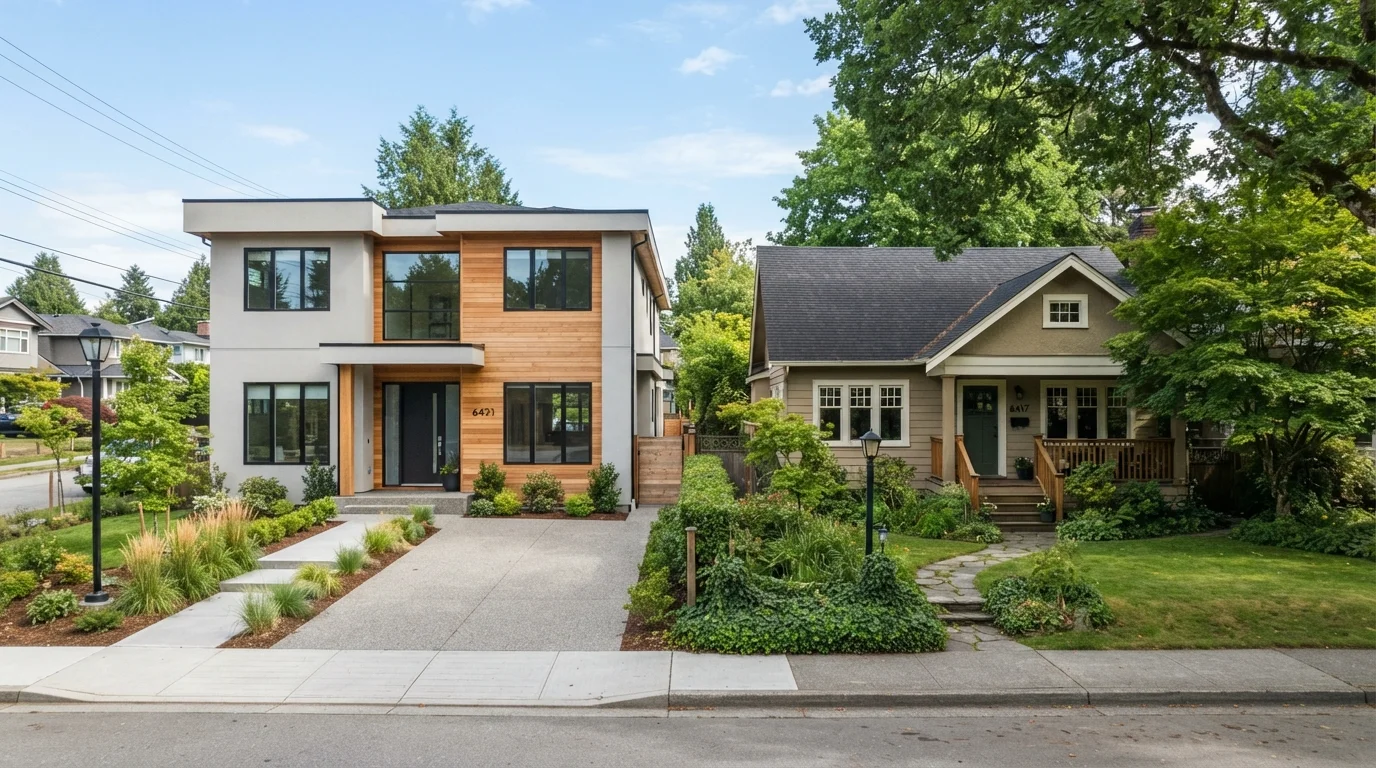
Photo: ScoutAnswers.com | Blogs That Ignite Curiosity editorial
Key Takeaways
- New construction typically costs more per square foot but may require fewer immediate repairs.
- Existing homes often sit in established neighborhoods with mature landscaping and known infrastructure.
- Build timelines for new construction can stretch six to eighteen months, adding uncertainty.
- Customization options in new builds diminish significantly once framing is underway.
- Both paths involve trade-offs in cost, location, and timing that depend on individual circumstances.
Modern energy systems reduce utility costs
New homes built to current energy codes typically include better insulation, energy-efficient windows, and higher-rated HVAC systems, which can meaningfully lower monthly utility expenses compared to older stock.
Builder warranties cover near-term defects
Structural and mechanical warranties standard in new construction provide a financial buffer against early system failures that existing home buyers must address out-of-pocket or through a separately purchased home warranty.
Fewer immediate repairs or updates needed
A brand-new home arrives with fresh mechanicals, intact roofing, and current electrical and plumbing systems, reducing the likelihood of large unplanned expenses in the first several years of ownership.
Customization available during design phase
Buyers who contract early in the build cycle can often select finishes, fixtures, and some layout options, allowing the home to better reflect personal preferences before move-in.
Existing homes offer location flexibility
The inventory of existing homes spans virtually every neighborhood type - urban, suburban, rural - giving buyers far more latitude to prioritize school districts, commute distance, or walkability.
Faster, more predictable closing timelines
An existing home purchase can typically close within 30 to 60 days of an accepted offer, while new construction timelines often extend six to eighteen months and are subject to construction delays.
Established neighborhoods offer known community context
Buyers can evaluate an existing neighborhood's character, property value trends, and infrastructure directly, rather than relying on a developer's projections about a new community's future.
New construction carries a higher price premium
New homes typically cost more per square foot than comparable existing homes, reflecting materials costs, current labor rates, and builder margins - a gap that can meaningfully affect affordability.
Build timelines are long and often uncertain
Supply chain disruptions and subcontractor availability can push completion dates months beyond original estimates, creating housing limbo for buyers who have already committed to leaving their current residence.
New developments often lack neighborhood infrastructure
Retail, dining, transit, and mature landscaping take years to develop around new construction communities, which can affect daily convenience and quality of life during early years of ownership.
Existing homes may require near-term capital investment
Older roofs, aging HVAC systems, outdated electrical panels, or deferred maintenance can translate into significant expenses shortly after purchase that buyers may underestimate during the offer process.
Builder contracts favor the builder's interests
New construction purchase agreements are typically drafted by builders and may include terms - deposit structures, arbitration clauses, change-order limitations - that differ substantially from standard residential purchase contracts.
Customization windows close earlier than buyers expect
Structural and layout decisions are largely set in the builder's base plan; the personalization most buyers envision is limited to finish selections within a predefined package, often at significant upgrade cost.
Understanding What Each Path Actually Involves
When buyers compare new construction to existing homes, the conversation often defaults to surface-level aesthetics - granite countertops versus crown molding. The more consequential differences lie beneath the surface: construction warranties, builder contingencies, neighborhood infrastructure, and the mechanics of each purchase transaction.
Buying an existing home follows a relatively standardized process: offer, inspection, appraisal, and close - typically within 30 to 60 days. New construction introduces a different dynamic. Buyers may sign a contract months before the home exists, navigate builder-specific purchase agreements that differ from standard residential contracts, and face closing timelines that shift with supply chain conditions and labor availability.
Before weighing the specifics, it helps to consider your broader financial picture. See our financial comparison of renting vs. buying to ensure homeownership itself is the right step first.
Cost Considerations: More Than the Purchase Price
New construction homes generally carry a price premium. According to National Association of Realtors data, newly built homes have historically sold at a higher median price than existing homes, reflecting the cost of modern materials, current building codes, and builder profit margins.
However, the sticker price tells only part of the story. Existing homes often require near-term capital expenditure - a roof replacement, HVAC upgrade, or electrical panel modernization - that buyers may not fully price in during the excitement of purchase. Our guide on commonly overlooked renovation areas illustrates how costs accumulate in areas buyers rarely inspect carefully.
~$50K+
Typical new vs. existing home median price gap
National Association of Realtors data has historically shown newly built homes commanding a median price premium of $50,000 or more over existing homes, though the gap fluctuates with market conditions.
6-18 months
Typical new construction build timeline
Build times vary by region, builder, and project scope; supply chain conditions and permitting delays can push timelines toward or beyond the upper range.
10 years
Standard structural warranty on new construction
Many builders offer a tiered warranty structure: one year on workmanship, two years on mechanical systems, and ten years on structural defects, though terms vary by builder and state law.
New construction typically includes builder warranties - often one year on workmanship, two years on mechanical systems, and ten years on structural defects - which can offset some short-term maintenance costs. Existing homes carry no such warranties, though a home warranty policy can be negotiated as part of the purchase agreement.
Pros and Cons at a Glance
Each path has clearly defined advantages and limitations. The right choice depends heavily on your timeline, budget flexibility, location priorities, and tolerance for uncertainty.
Modern energy systems reduce utility costs
New homes built to current energy codes typically include better insulation, energy-efficient windows, and higher-rated HVAC systems, which can meaningfully lower monthly utility expenses compared to older stock.
Builder warranties cover near-term defects
Structural and mechanical warranties standard in new construction provide a financial buffer against early system failures that existing home buyers must address out-of-pocket or through a separately purchased home warranty.
Fewer immediate repairs or updates needed
A brand-new home arrives with fresh mechanicals, intact roofing, and current electrical and plumbing systems, reducing the likelihood of large unplanned expenses in the first several years of ownership.
Customization available during design phase
Buyers who contract early in the build cycle can often select finishes, fixtures, and some layout options, allowing the home to better reflect personal preferences before move-in.
Existing homes offer location flexibility
The inventory of existing homes spans virtually every neighborhood type - urban, suburban, rural - giving buyers far more latitude to prioritize school districts, commute distance, or walkability.
Faster, more predictable closing timelines
An existing home purchase can typically close within 30 to 60 days of an accepted offer, while new construction timelines often extend six to eighteen months and are subject to construction delays.
Established neighborhoods offer known community context
Buyers can evaluate an existing neighborhood's character, property value trends, and infrastructure directly, rather than relying on a developer's projections about a new community's future.
New construction carries a higher price premium
New homes typically cost more per square foot than comparable existing homes, reflecting materials costs, current labor rates, and builder margins - a gap that can meaningfully affect affordability.
Build timelines are long and often uncertain
Supply chain disruptions and subcontractor availability can push completion dates months beyond original estimates, creating housing limbo for buyers who have already committed to leaving their current residence.
New developments often lack neighborhood infrastructure
Retail, dining, transit, and mature landscaping take years to develop around new construction communities, which can affect daily convenience and quality of life during early years of ownership.
Existing homes may require near-term capital investment
Older roofs, aging HVAC systems, outdated electrical panels, or deferred maintenance can translate into significant expenses shortly after purchase that buyers may underestimate during the offer process.
Builder contracts favor the builder's interests
New construction purchase agreements are typically drafted by builders and may include terms - deposit structures, arbitration clauses, change-order limitations - that differ substantially from standard residential purchase contracts.
Customization windows close earlier than buyers expect
Structural and layout decisions are largely set in the builder's base plan; the personalization most buyers envision is limited to finish selections within a predefined package, often at significant upgrade cost.
Location, Neighborhood, and Community Context
New construction developments are frequently built where land is available - often on the suburban or exurban fringe, farther from urban employment centers, established schools, and mature retail infrastructure. Buyers drawn to walkable urban neighborhoods, proximity to specific school districts, or access to existing transit options will generally find a wider selection among existing homes.
Established neighborhoods also provide something new developments cannot replicate immediately: known context. Property values have a track record. Neighbors have history. Trees are mature. Community character is visible rather than speculative.
New Construction Contracts Require Careful Review
When touring existing homes, a structured evaluation matters. Our home touring checklist covers the mechanical, structural, and environmental factors that are easy to miss in the moment.
That said, new developments are not without advantages in this dimension. Newly built communities are sometimes designed with amenities - parks, trails, community centers - that older neighborhoods lack, and HOA structures may maintain common areas consistently. Buyers should evaluate the specific development rather than assume either setting is inherently superior.
Customization, Layout, and Long-Term Fit
One of the most-cited advantages of new construction is the ability to personalize finishes and layouts during the design phase. In practice, this window is narrower than many buyers expect. Structural decisions - room count, floor plan configuration, ceiling heights - are typically fixed in the builder's base plans. Finish selections (flooring, cabinetry, countertops) are available within a defined option package, and upgrades add to cost quickly.
Existing homes require buyers to work within what exists, but renovation allows genuine structural change over time. If a floor plan feels constraining, walls can sometimes be removed - though this involves structural analysis and permitting. See our guide to open-concept renovations for what that process realistically involves.
Storage is another common consideration. Older homes with their own character may lack built-in storage that newer builds integrate by design. Our room-by-room storage trade-offs guide offers perspective on solving that gap regardless of which home type you choose.
This article is for general informational purposes only and does not constitute financial, legal, or real estate advice. Consult a licensed real estate professional for guidance specific to your situation and market.
The content on this site is for informational purposes only and is not a substitute for professional advice. Always consult a qualified professional for guidance specific to your situation.